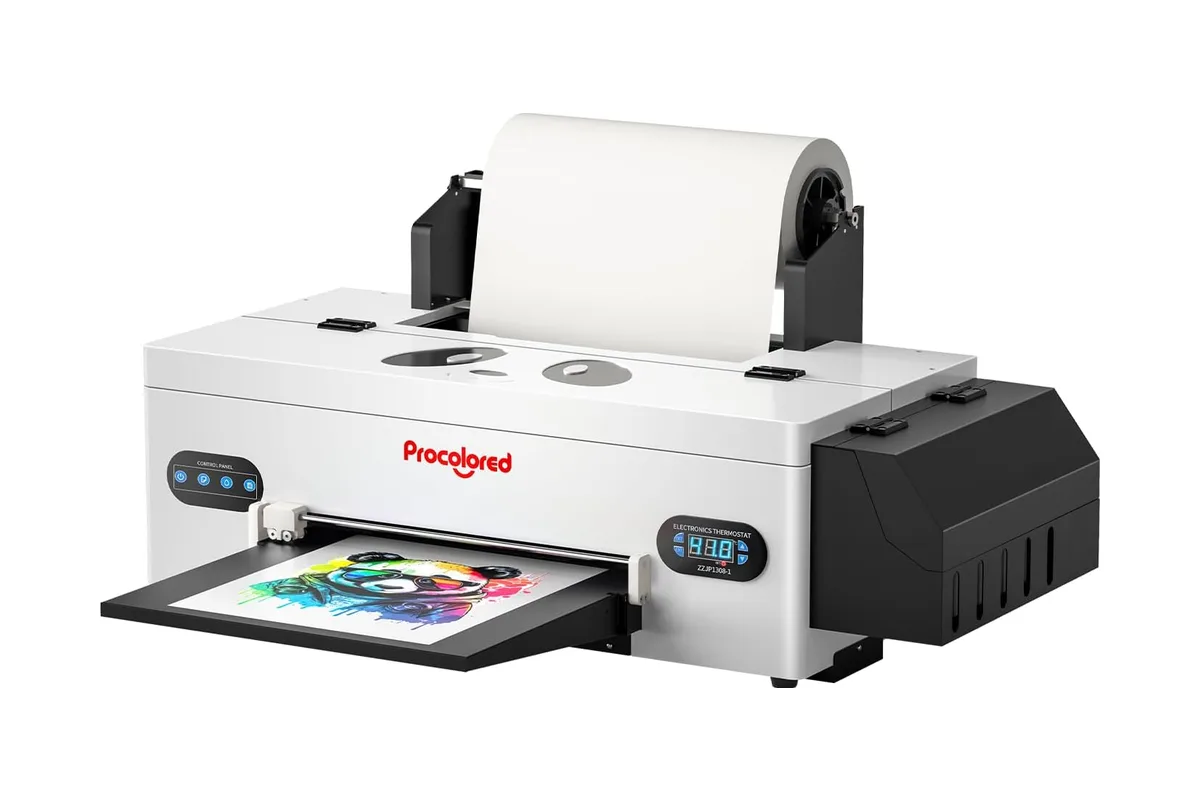
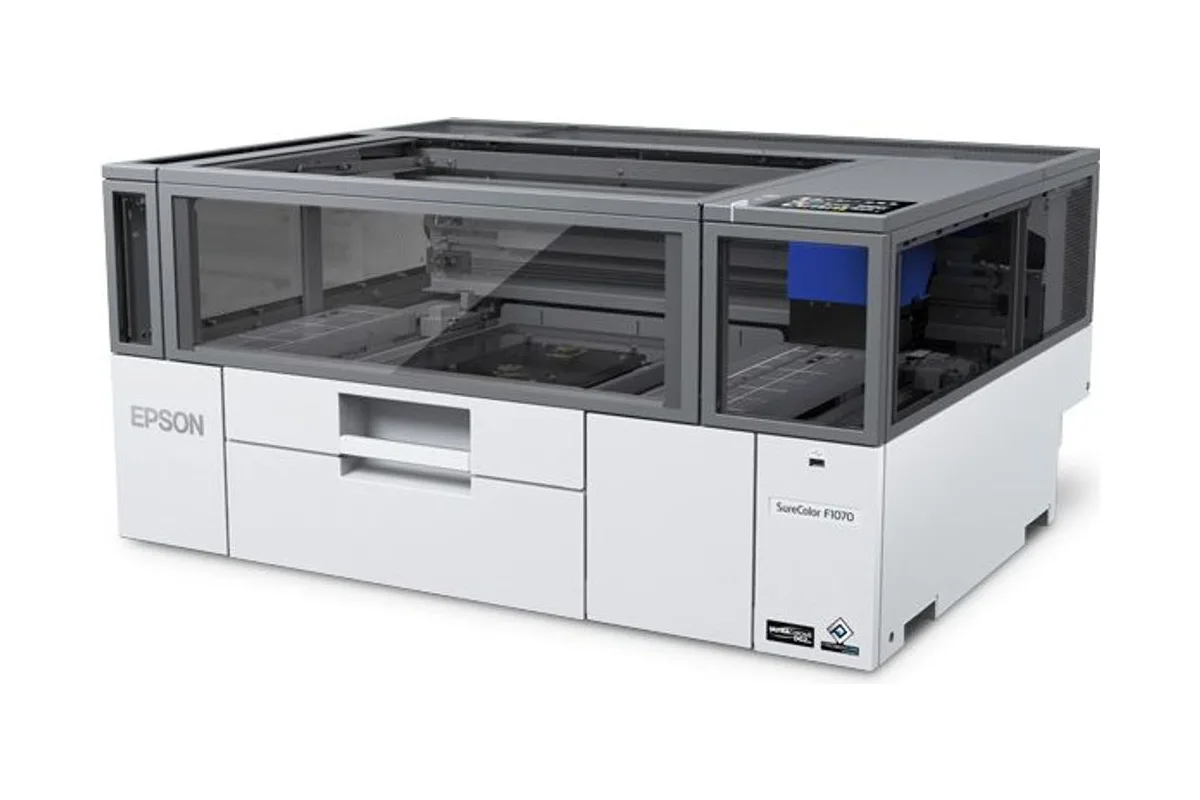
Side by side
| Feature | Procolored F13 Panda | EpsonSureColor F1070 |
|---|---|---|
| Type | Desktop DTF printer | Hybrid DTG and DTF printer |
| Width | 13 in roll film | 10 x 12 in platen |
| Heads | 1 Epson L1800, CMYK + 2 white | 1 Epson PrecisionCore Micro TFP, CMYK + white |
| Software | Procolored Pro RIP (Windows) | Epson Garment Creator 2 (Mac, Windows) |
| Where to buy | Check price at Amazon |
Procolored F13 Panda
- Type
- Desktop DTF printer
- Width
- 13 in roll film
- Heads
- 1 Epson L1800, CMYK + 2 white
- Software
- Procolored Pro RIP (Windows)
Epson SureColor F1070
- Type
- Hybrid DTG and DTF printer
- Width
- 10 x 12 in platen
- Heads
- 1 Epson PrecisionCore Micro TFP, CMYK + white
- Software
- Epson Garment Creator 2 (Mac, Windows)
Procolored vs Epson F1070: which DTF printer is better?
For DTF transfers, the Procolored F13 Panda. In November 2026 it was $2,299, or $2,699 with a curing oven and starter supplies, on sale for Black Friday at Procolored, against $4,995 for the Epson SureColor F1070. It prints a run of transfers on 13-inch roll film, where the Epson prints one sheet at a time on a platen no bigger than 10 x 12 inches. And Procolored puts its supplies at about 91¢ per letter-size print, while Epson’s ink alone costs about $360 a liter.
The Epson F1070 is better if you want more than DTF. It’s a hybrid that prints directly on cotton shirts (DTG) as well as on film, runs on a Mac as well as Windows, and comes with Epson’s one-year limited warranty and service plans. Procolored’s software is Windows only, and its warranty gives one free printhead within six months.
They’re different machines: the F13 Panda is a dedicated roll-fed DTF printer with one Epson L1800 head; the F1070 is a platen garment printer with an Epson PrecisionCore head and a film mode Epson calls DTFilm.
Side by side
| Procolored F13 Panda | Epson SureColor F1070 | |
|---|---|---|
| Price (November 2026) | $2,299 printer only; $2,699 with oven (Procolored, Black Friday); $2,299 at Amazon; $2,799 with oven at Best Buy | $4,995 at Epson and Imaging Spectrum (was $7,495 at its 2024 launch) |
| Prints | DTF only | DTG on garments and DTF film |
| Media | 13-in roll film with cutter; up to 31 in per job | Film or garment on a platen; largest platen 10 x 12 in |
| Printhead | 1 Epson L1800 | 1 Epson PrecisionCore Micro TFP |
| Inks | CMYK + 2 white | CMYK + white (2 white packs in the box) |
| Resolution | 1440 x 1440 dpi | 2400 x 1200 dpi |
| Rated speed | 6 letter-size prints an hour (Procolored) | Not published |
| White ink | Circulation, stirring and filtration | Circulation not mentioned; shake packs daily |
| Automatic cleaning | Every 10 hours | Automated head wiper, nozzle verification |
| In the box | Starter ink (5 x 250 ml), film roll, 500 g powder, nozzle liquid | 6 x 250 ml ink packs, maintenance liquid, small platen |
| Curing | Panda oven ($400 more as a bundle) | Not included; Epson cures with a heat press |
| Software | Pro RIP, Windows only, USB dongle | Garment Creator 2, Windows and Mac |
| Weight | 44 lb | 152 lb |
| Warranty | One free printhead and motherboard within 6 months; 12 months on other electronics; register first | 1 year limited, unit exchange or on-site |
Which costs less to start?
The Procolored, by about $2,300 before film and powder for the Epson. $2,699 buys the F13 Panda, its oven, the RIP software and a starter pack of ink, a 13-inch x 100 m film roll and 500 g of powder. The F1070’s $4,995 includes six ink packs and a platen, but Epson sells no film, powder or curing equipment for it, so you buy those from other suppliers.
Both need a heat press for the shirts, and the Epson uses it for curing too. Epson’s user guide also lists a powder tray, a sieve or shaker, a release sheet, opaque tape and a mask and eyewear for film work. Our DTF printing cost guide prices a full setup.
Which costs less per transfer?
The Procolored, by a wide margin. Procolored puts a letter-size print at $0.40 of ink, $0.45 of film and $0.06 of powder: 91¢. Its ink was $229 for six 500 ml bottles in November 2026, about $76 a liter, or $118 a liter bought one bottle at a time.
Epson’s UltraChrome DG2 ink is $89.95 per 250 ml pack, about $360 a liter, and Epson publishes no ink-use figure for film. Using the same ink-use range we apply to other DTF printers (about 1.3–3.7 ml a square foot), DTF supplies on the F1070 come to roughly $0.65–$1.95 a square foot of film, against about $0.26–$1.04 on a printer using third-party DTF ink (our estimates). Epson also says white ink is used during maintenance even when you print only in color.
| Supply | Procolored F13 Panda | Epson F1070 |
|---|---|---|
| Ink price | $76–$118 a liter (Procolored) | About $360 a liter (Epson packs only) |
| Maker’s supply cost per print | 91¢ per letter-size print | Not published |
| Our estimate per sq ft of film | About $0.26–$1.04 (DTF printers on third-party-priced ink) | About $0.65–$1.95 |
| Ink lock-in | Non-Procolored ink voids the warranty | Designed for Epson ink packs only |
Which prints bigger and faster?
The Procolored. Its 13-inch roll handles an adult full front (about 11 x 11 inches) or a 13 x 16-inch design, and a single job can run 31 inches. You can lay out several designs on the roll and print them in one go. Procolored rates it at 6 letter-size prints an hour, which is slow for a DTF printer but published.
The F1070’s largest platen is 10 x 12 inches, so a film print can’t be wider than 10 inches, and you load one sheet or one shirt at a time. Epson publishes no print speed for it. If you need full-front DTG prints, Epson’s F2270 has a 14 x 16-inch platen; see our F1070 review.
Which is easier to maintain?
Neither is low-maintenance; both revolve around white ink.
- Procolored F13 Panda: circulates, stirs and filters its white ink and cleans its head every 10 hours if left on. Procolored’s K13 Lite manual still asks for a daily white-bottle shake and nozzle check, end-of-day cleaning around the head, and a print at least every 3–4 days; more than two weeks idle can dry the ink and clog the head.
- Epson F1070: Epson says to remove and shake the white ink packs every working day, run a nozzle check each time you print, and turn the printer on at least every seven days. After more than two weeks idle with white loaded, it needs Epson’s cleaning ink pack and long-term storage maintenance. It has an automated fabric head wiper and nozzle verification, but Epson doesn’t mention white-ink circulation.
On paper, the Procolored automates more of the white-ink handling, and the Epson gives you a longer idle allowance. Our DTF printer maintenance guide covers what to do when white ink clogs.
Which has the better warranty?
The Epson. Its one-year limited warranty covers the printer with a whole-unit exchange or on-site service at Epson’s discretion, and Epson sells service plans: $1,132 for a year, $2,039 for two and $3,622 for four.
Procolored’s is shorter and narrower. You have to register the printer. It gives one free printhead and one free motherboard within six months of shipment, 12 months on other electronics, and nothing on ink-contact parts such as pumps and dampers. Procolored pays shipping only within the first 30 days, and non-Procolored ink, powder or uncertified consumables void the cover. A third-party protection plan from Seel costs $99.99 for a year.
Which works on a Mac?
The Epson. Garment Creator 2 runs on Windows 8.1 and later and macOS 10.12 and later. Procolored’s Pro RIP is Windows only and needs a USB dongle; Procolored tells Mac owners to use Parallels or Boot Camp.
If you want a Procolored and a Mac, the F13X, new in November 2026, is Procolored’s first DTF printer with Mac software and no dongle. It has two Epson XP600 heads and a rated 27 letter-size prints an hour, for $2,899 on sale for Black Friday, or $3,399 with an oven.
Which is better for a T-shirt business?
It depends on what you sell.
- Mostly DTF transfers, gang sheets or full-front designs on all kinds of fabric: the Procolored. It’s cheaper to buy and run, and its roll film fits bigger prints. At its rated 6 prints an hour, it suits a few dozen shirts a week; the dual-head F13 Pro (13 an hour) or F13X suit more.
- Soft-feel prints on cotton plus some DTF for polyester and other fabrics: the Epson. DTG needs pretreatment for white ink and polyester, by Epson’s guidance, and Epson calls DTG prints softer and more breathable than a film transfer. Our DTF vs DTG guide explains the trade.
- DTF at production volume: neither. Epson’s own DTF-only roll printer is the 35-inch SureColor G6070 at $14,995 MSRP, and the xTool Apparel Printer Plus is rated at up to 50 square feet an hour for $4,699 on sale.
If you’d sell only a few shirts a month, neither printer pays off against ordering transfers; see DTF transfers vs your own printer and how to start a T-shirt business.
The verdict
Buy the Procolored F13 Panda for DTF on a Windows PC. It’s less than half the Epson’s price with an oven, prints bigger transfers from a roll, and costs about 91¢ in supplies per letter-size print by Procolored’s figures.
Buy the Epson SureColor F1070 if you want to print straight onto shirts as well, you work on a Mac, or you value Epson’s warranty and on-site service over running costs. For more choices, see the best DTF printers.
Questions people ask
Is Epson better than Procolored for DTF?
Not for DTF alone. The F1070 costs more, prints smaller transfers one sheet at a time and uses ink at about $360 a liter. Epson wins on Mac software, warranty and its ability to print directly on garments.
Which is cheaper to run, Procolored or Epson?
Procolored. Procolored puts a letter-size print at 91¢ of ink, film and powder; Epson’s ink costs about three to five times as much per liter as Procolored’s.
Can the Epson F1070 print gang sheets?
Not in the roll-printer sense. It prints film on a platen up to 10 x 12 inches, one sheet at a time. Several small designs fit on one sheet, but long gang sheets need a roll printer like the F13 Panda.
Does the Procolored F13 Panda print directly on shirts?
No. It’s a DTF printer: it prints onto film, which you powder, cure and press onto the shirt. The F1070 can print on shirts directly.
Do both need a heat press?
Yes. Both make transfers you press onto the garment, and Epson’s DTFilm workflow uses the heat press to cure the powder as well. See the best heat presses.
Sources
- Procolored F13 Panda DTF printer (L1800), procolored.com
- Procolored F13X DTF printer, procolored.com
- Procolored DTF printer collection, procolored.com
- Procolored warranty policy, procolored.com
- Procolored K13 Lite user manual (Aug 26, 2025), cdn.shopify.com
- Procolored DTF ink, procolored.com
- Best Buy: Procolored DTF printers, bestbuy.com
- Epson SureColor F1070 Standard Edition, Epson
- Epson SureColor F1070 SE specification sheet (CPD-64002R1), cdn.shopify.com
- Epson SureColor F1070 User's Guide, Epson
- Epson: DTG and DTF printers for small businesses, Epson
- Epson T55A UltraChrome DG2 ink packs, Epson
- Epson SureColor G6070, Epson
- Imaging Spectrum: Epson SureColor F1070, imagingspectrum.com
- Procolored F13 Panda on Amazon, amazon.com
Keep exploring
Buying guide
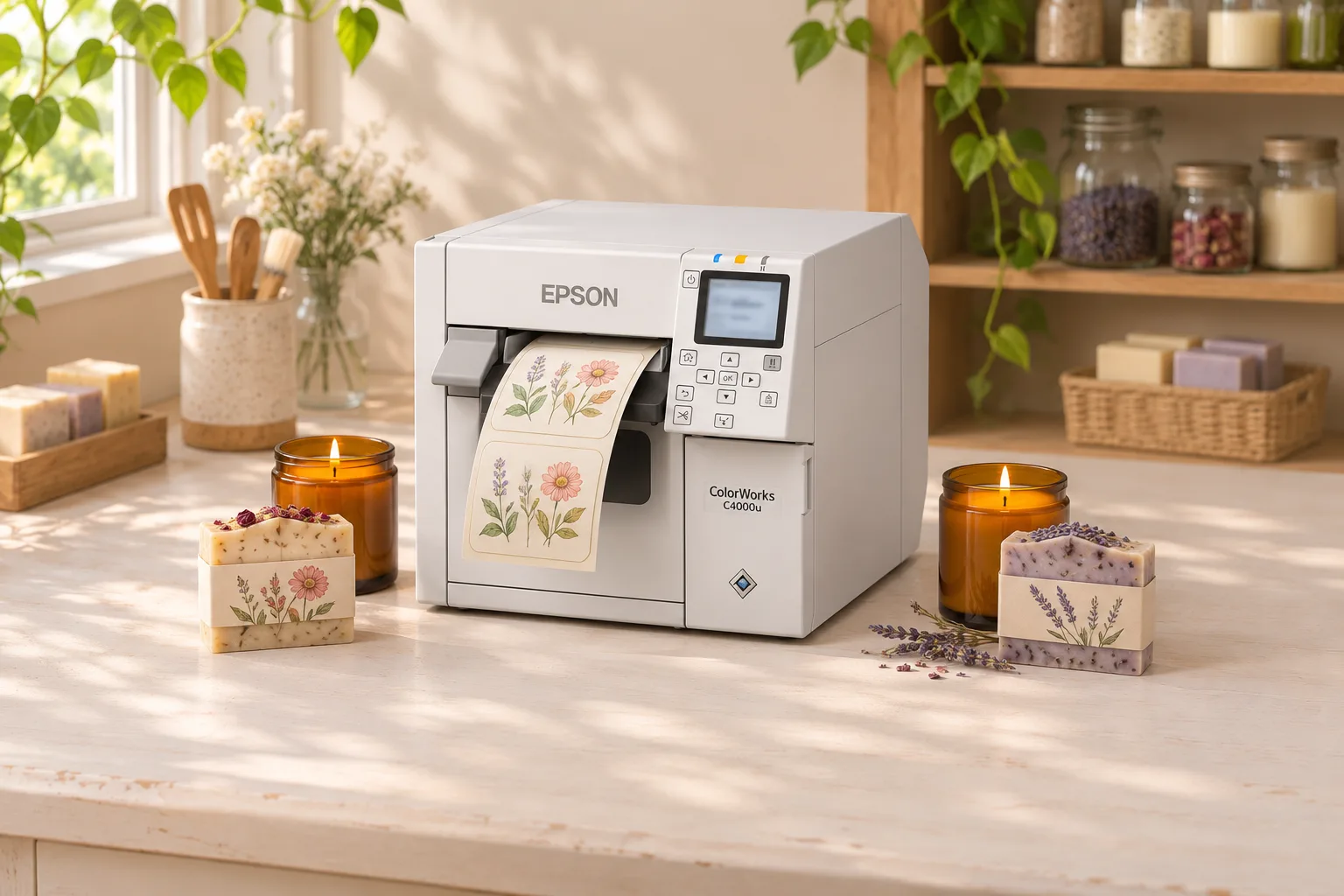
The best color label printers for product labels
The Epson ColorWorks CW-C4000 is the best color label printer for product labels: pigment CMYK ink at up to 1200 dpi, rolls up to 4.25 inches wide, 4 inches a second and BS 5609 certification on Kimdura poly, for $2,499 at CDW in November 2026. Get the Primera LX610 ($2,695) to print and cut custom shapes, or the Primera LX500 ($1,549) on a budget.
Read story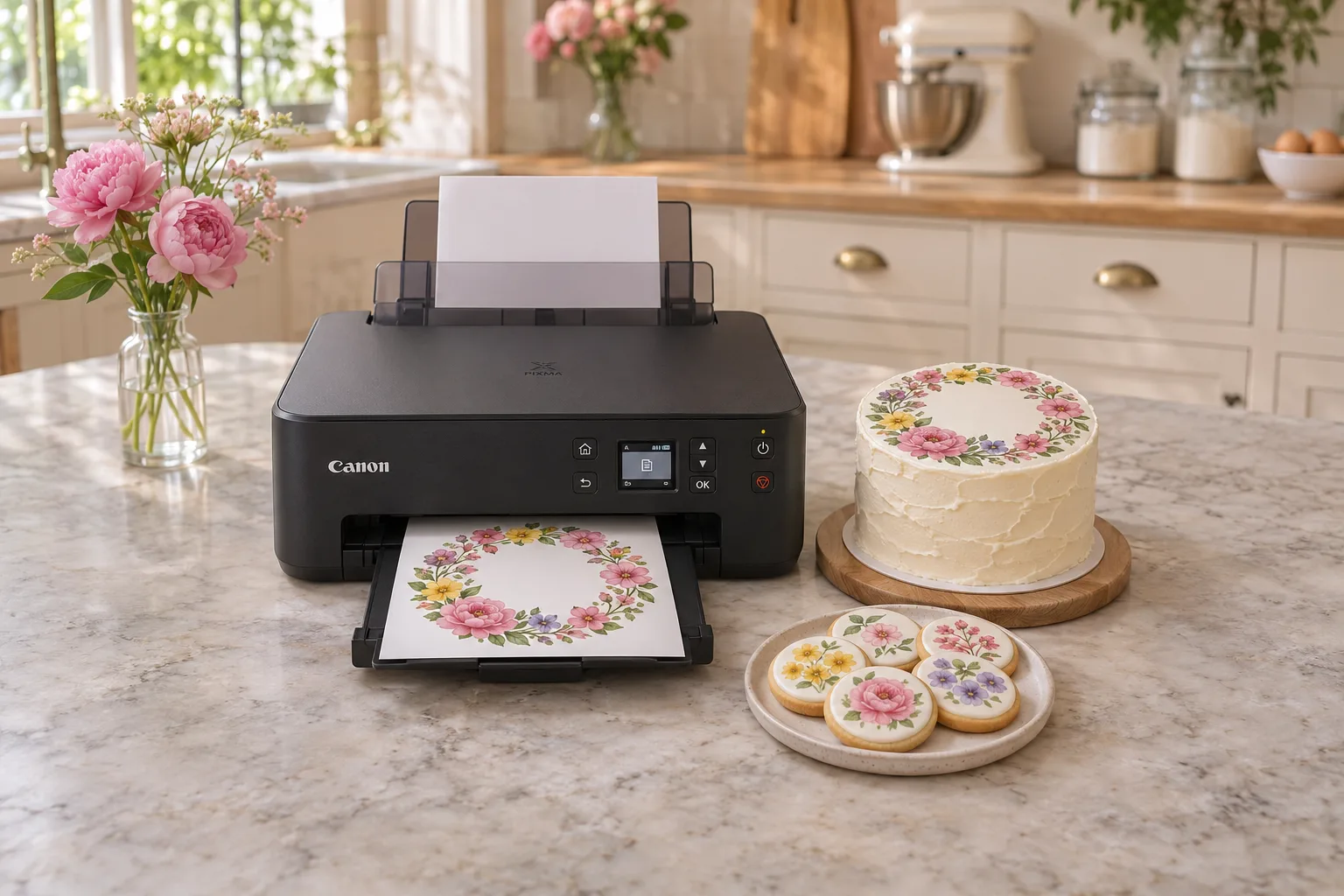
Buying guide
The best edible printers for cakes and cookies
The best edible printer for cakes is a new Canon PIXMA TS702a bought in an edible ink bundle: $295 to $299 in November 2026, for letter and legal-size frosting sheets at about $1 to $3 a cake topper. For printing straight onto cookies, the Primera Eddie is $2,995 and uses about 6¢ of ink per cookie.
Read story