
Review

Anycubic Kobra 4 Combo review

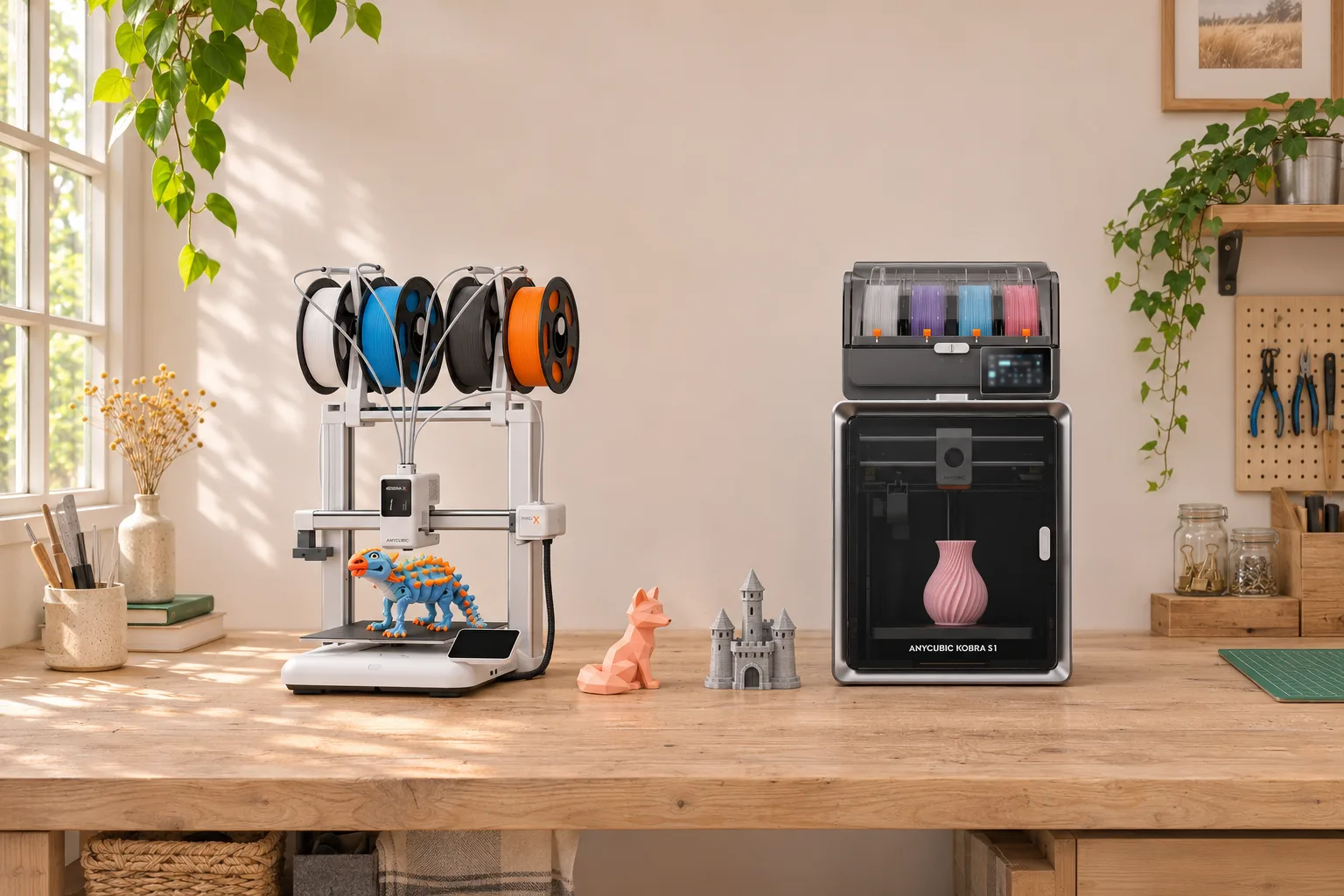
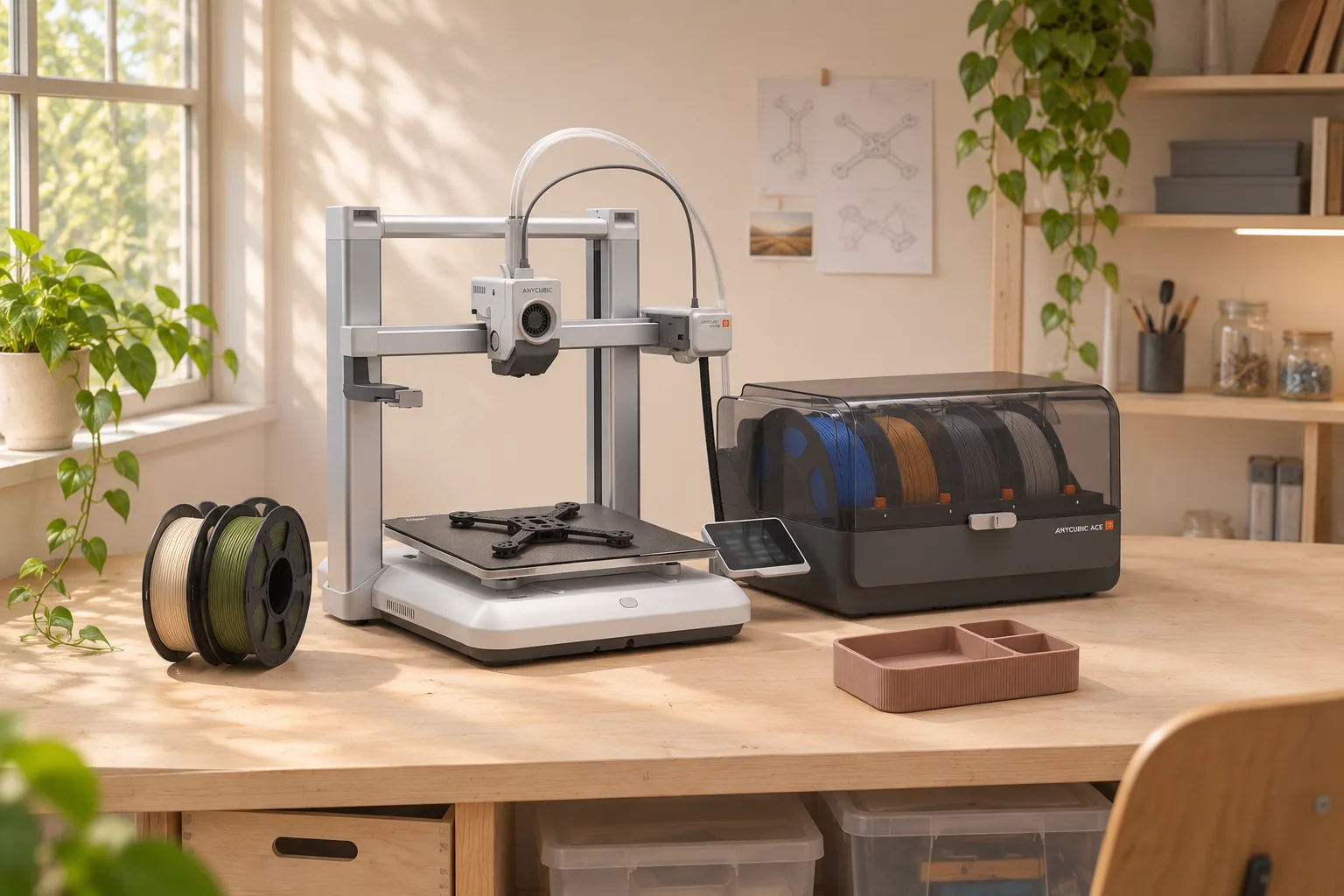
The Kobra 4 Combo is one of the cheapest ways to get four colors with filament drying: $279 at Anycubic in November 2026 (list $499) for a 260 mm bed slinger with the ACE 2 Pro. Color swaps are slow and wasteful, and it's PLA, PETG and TPU only.

Read review

Review

Anycubic Kobra S1 review

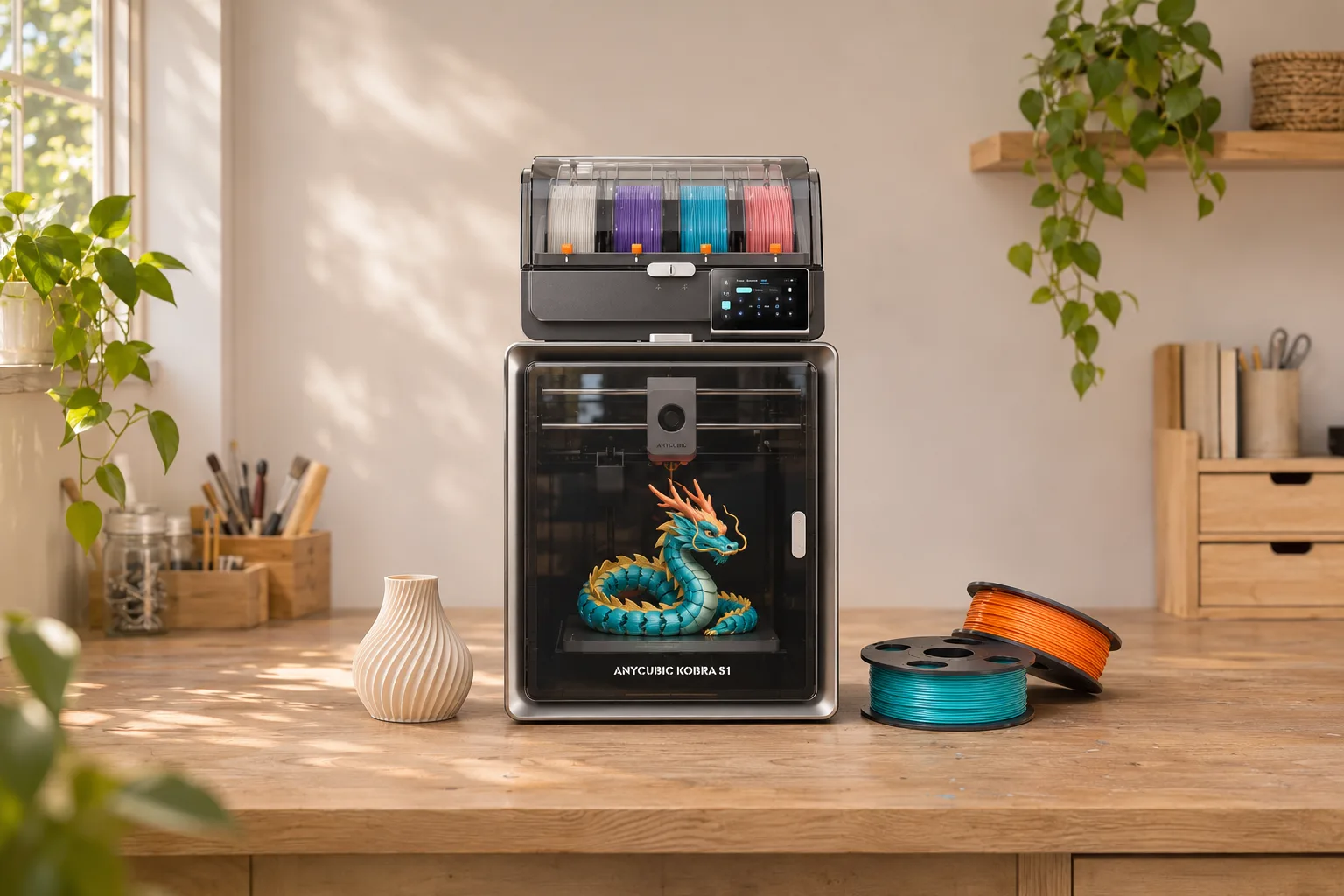
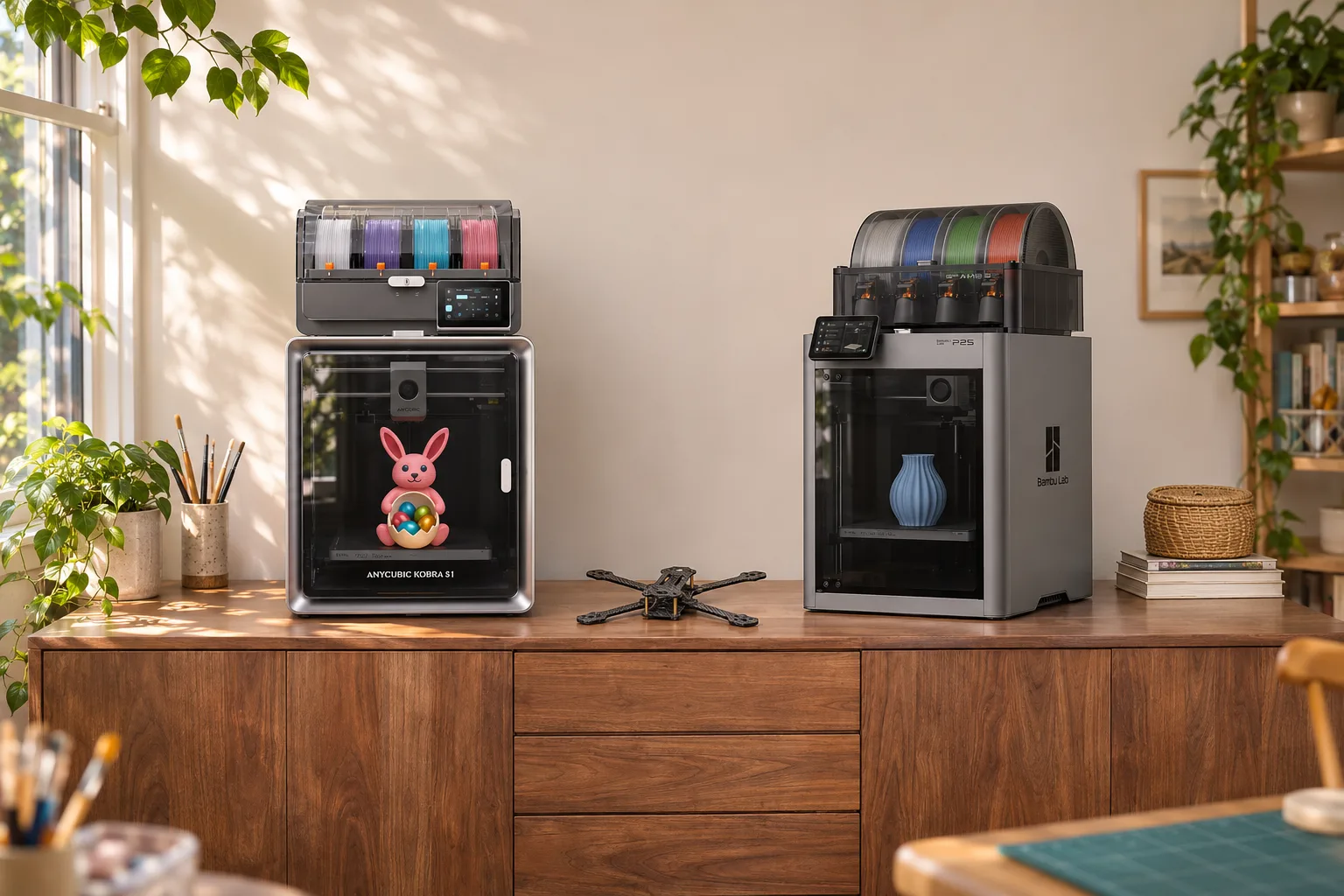
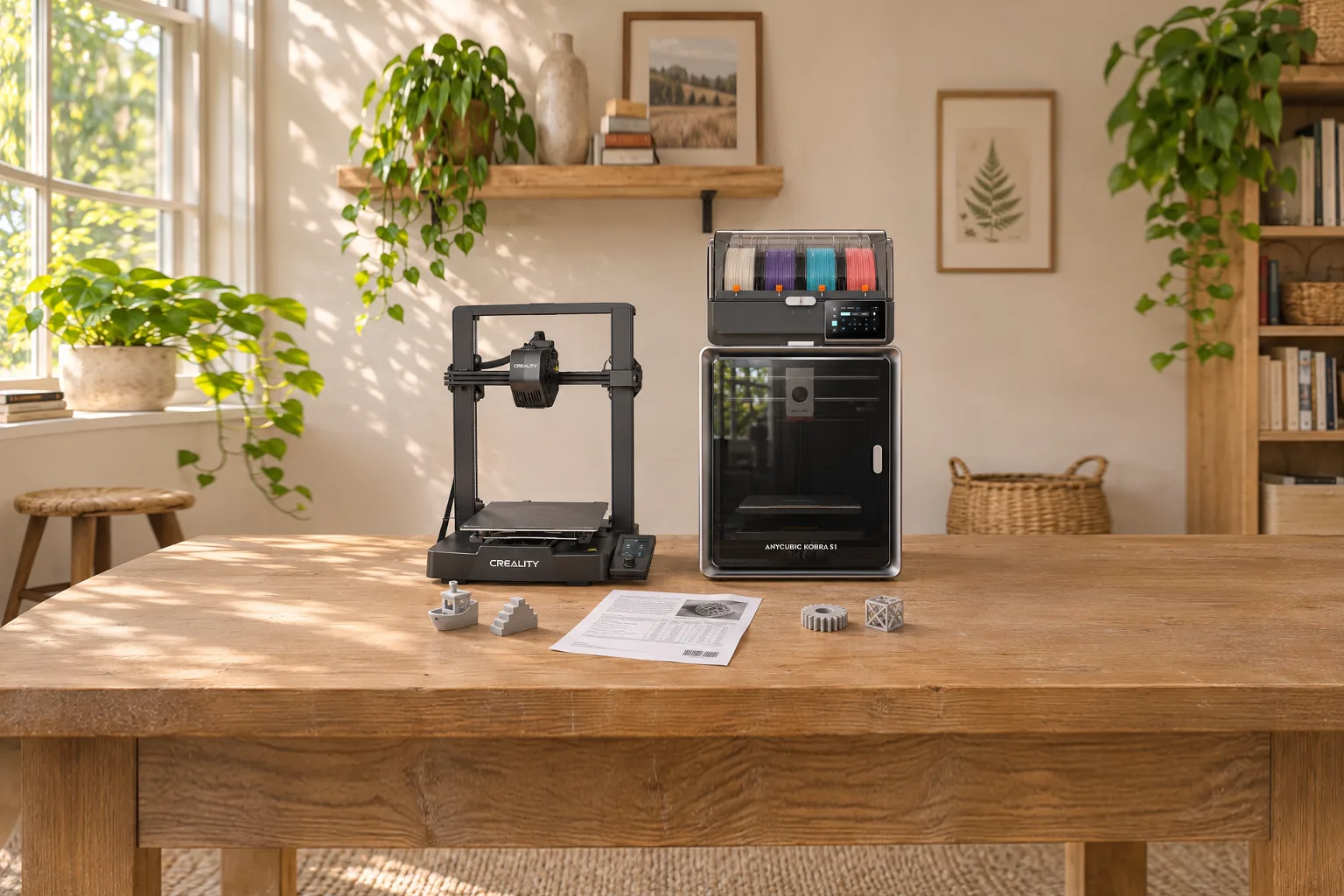
The Kobra S1 is a good enclosed 3D printer for the money: the S1 ACE 2 Pro Combo was $429 at Anycubic in November 2026 (list $599) for a CoreXY that prints ABS and ASA in four colors and dries filament. Its software is the weak point.

Read review

Review

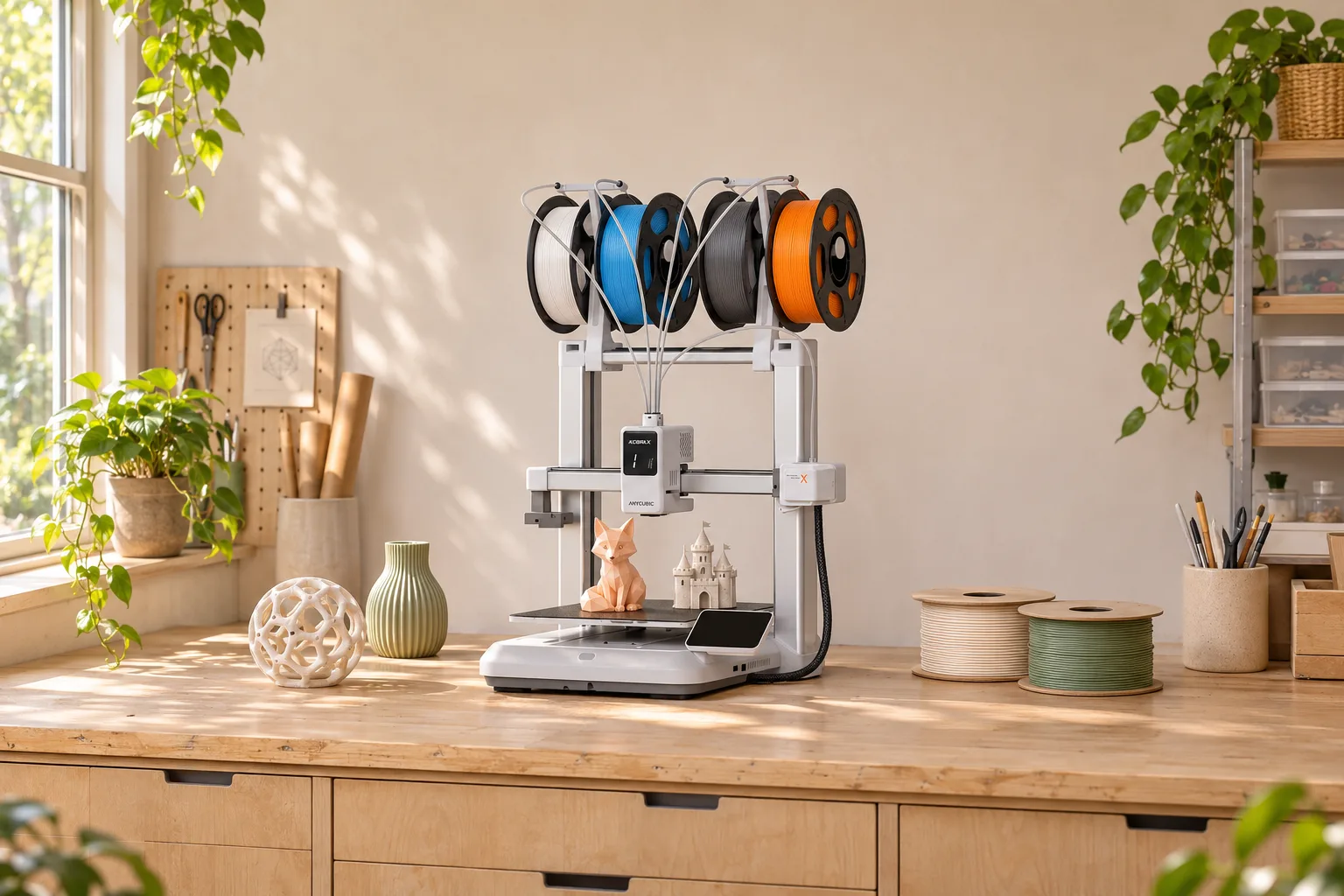
Anycubic Kobra X review

The Kobra X is a standout multicolor value under $300: four filament channels built into the toolhead, no external box, for $279 at Anycubic in November 2026 (list $399). It's open-frame, doesn't dry filament, and its firmware is locked.

Read review

Comparison

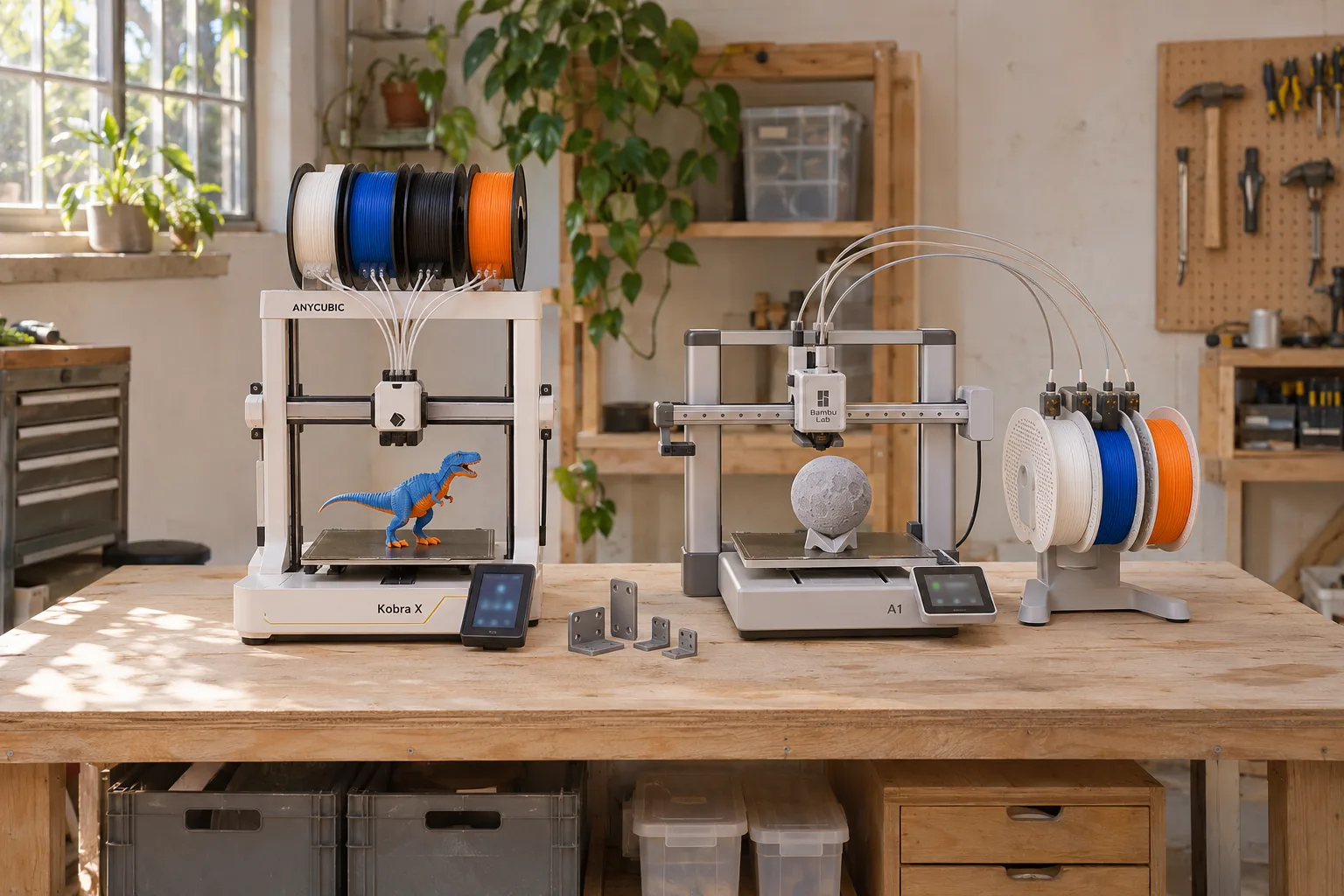
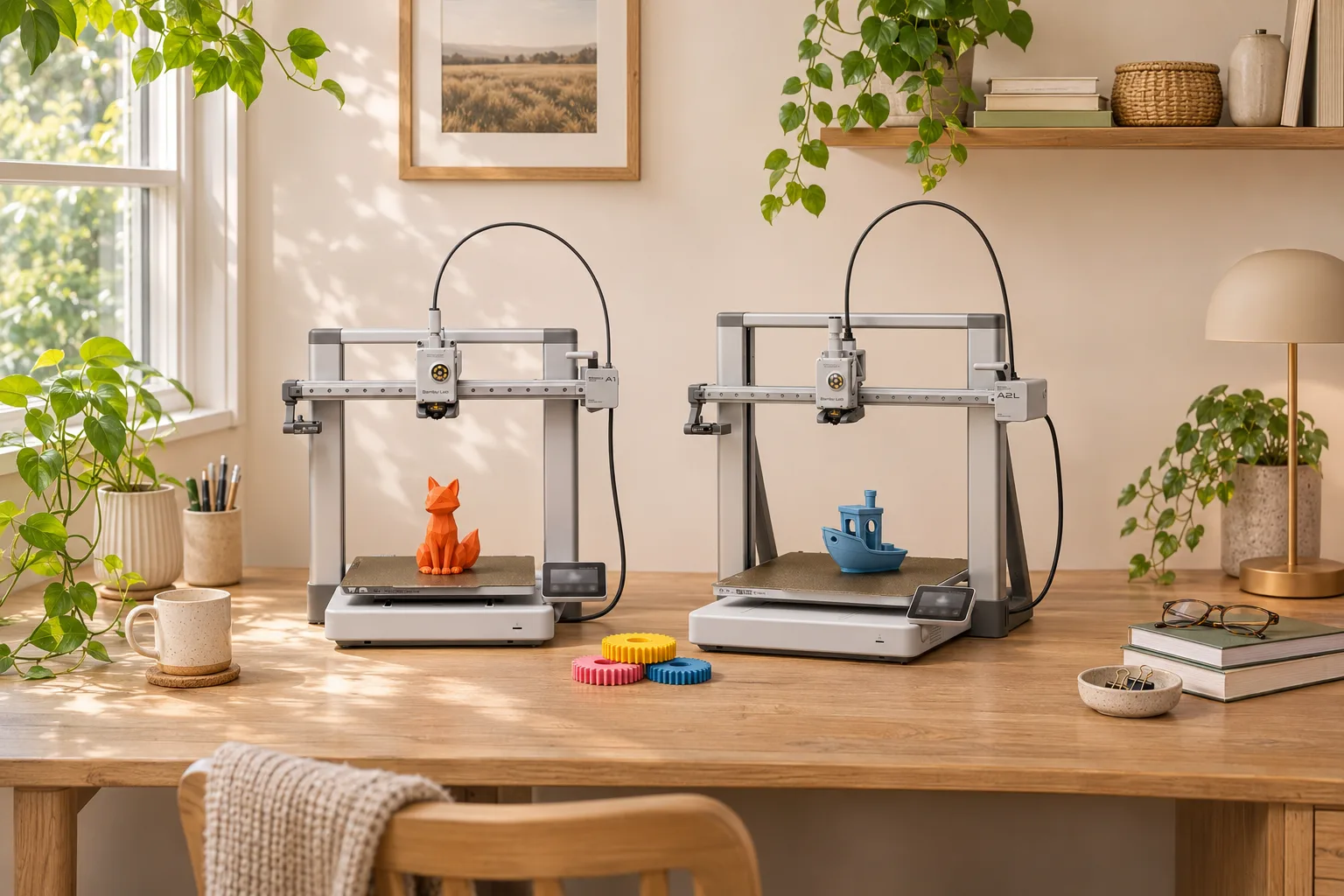
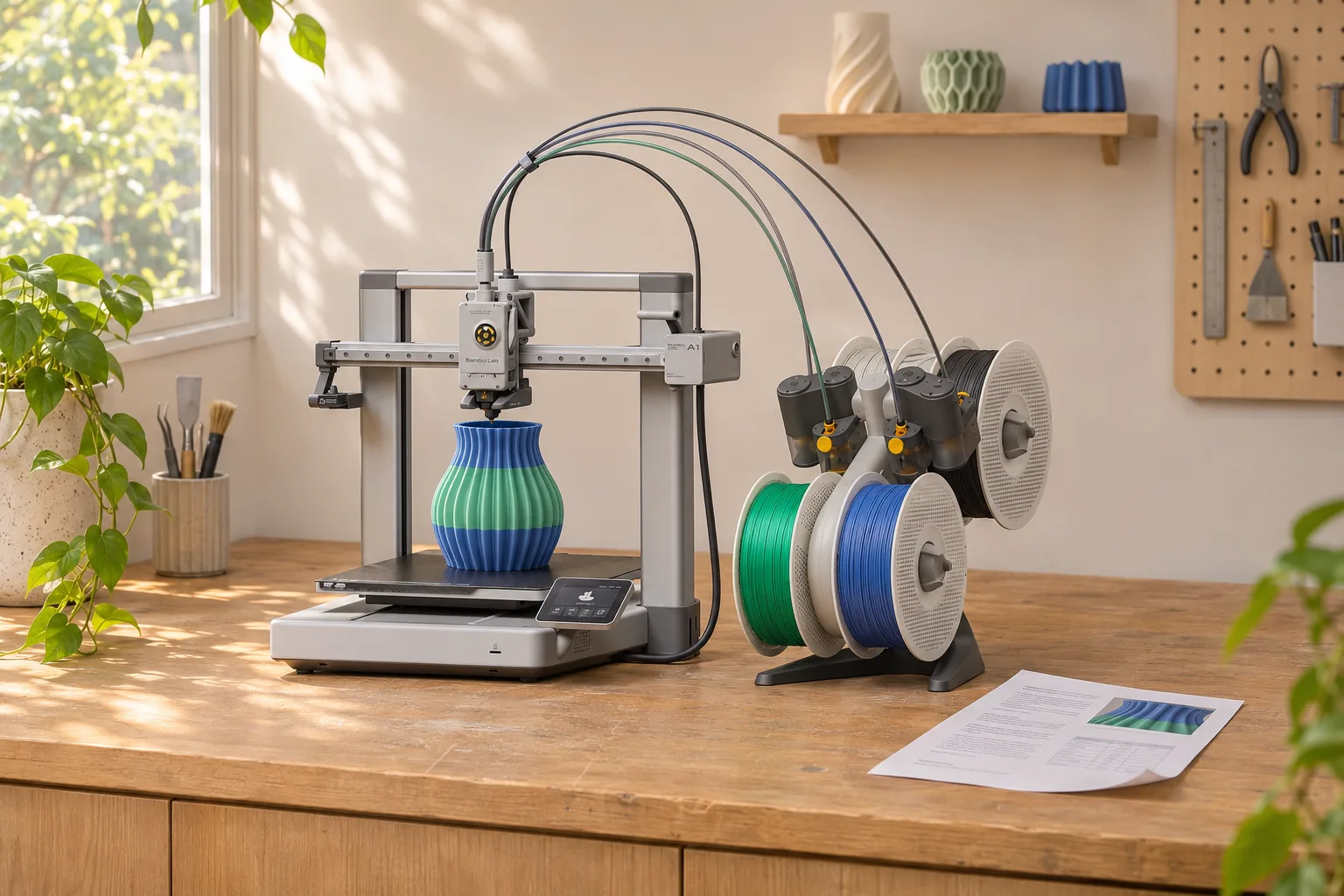
Bambu Lab A1 vs A2L: which should I buy?

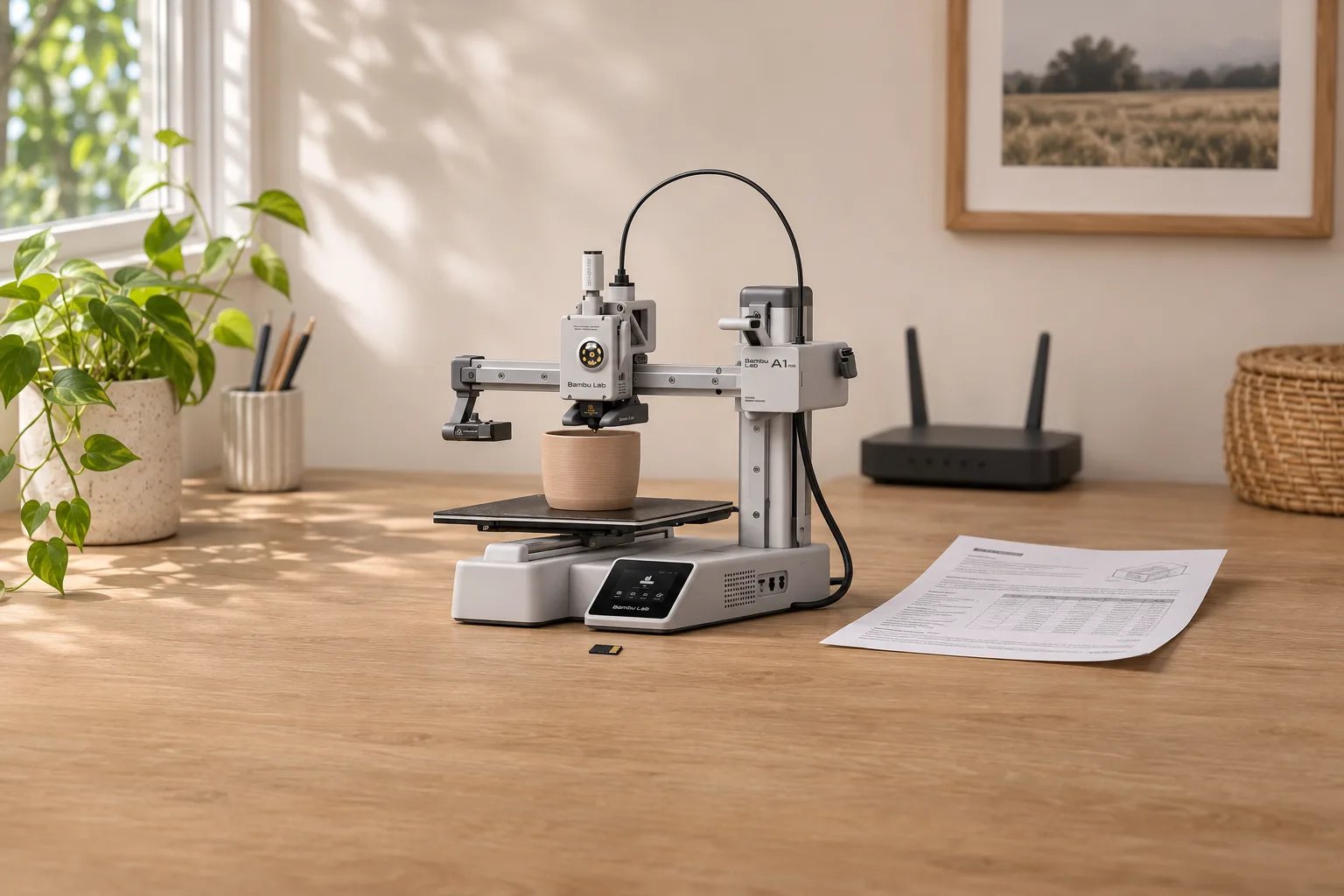
The A1 ($259) for most people: a 256 mm open printer that does almost everything the A2L does for $180 less. The A2L ($439) if you print big: about twice the build volume, up to 19 colors and a cutting module.

Read story

Review

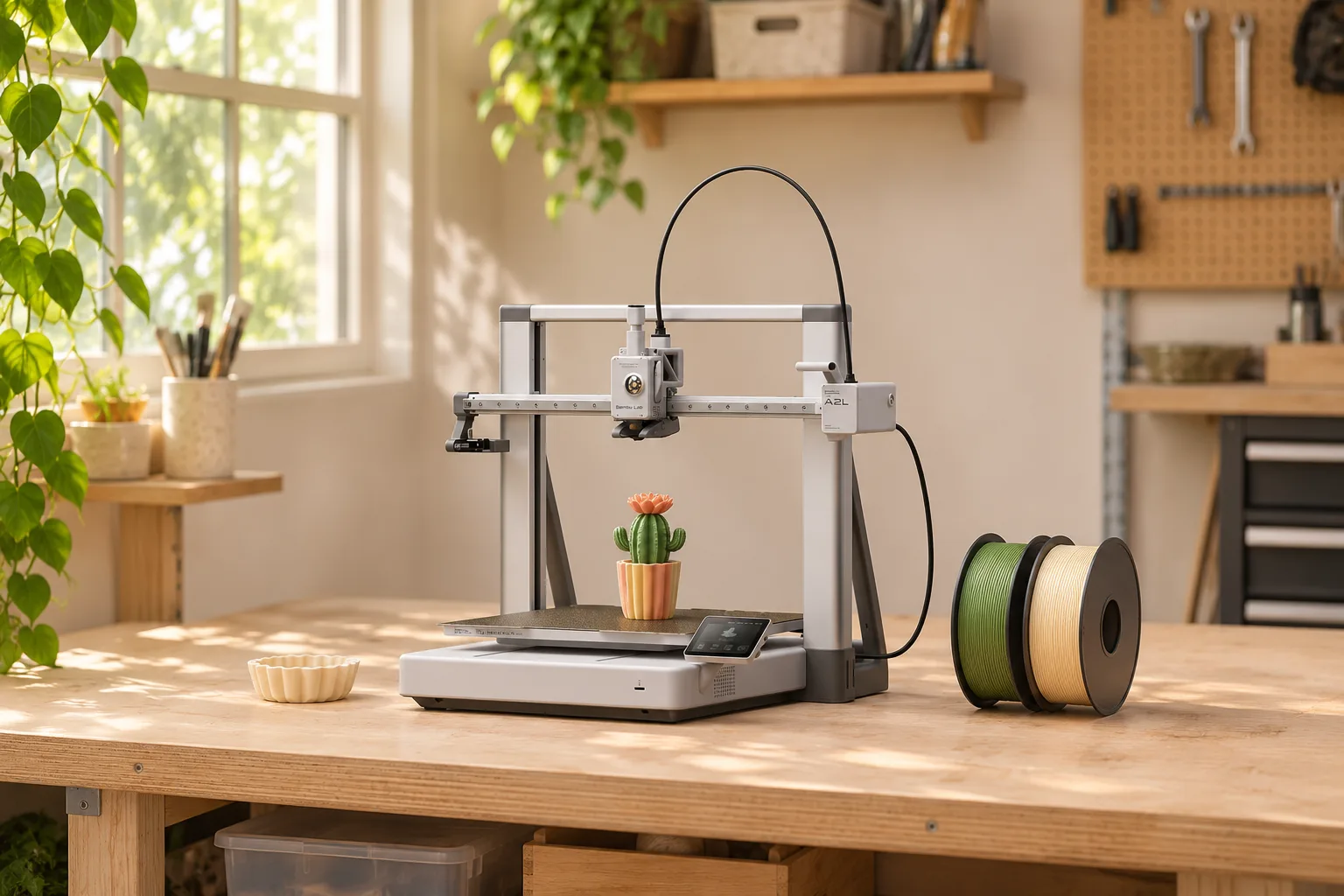
Bambu Lab A2L review

The A2L ($439 in November 2026, or $519 with the AMS lite) is the cheapest big Bambu: a 330 × 320 × 325 mm open-frame printer with about twice the A1's build volume. Buy it for large PLA and PETG prints; skip it for ABS, ASA or nylon.

Read review

Review

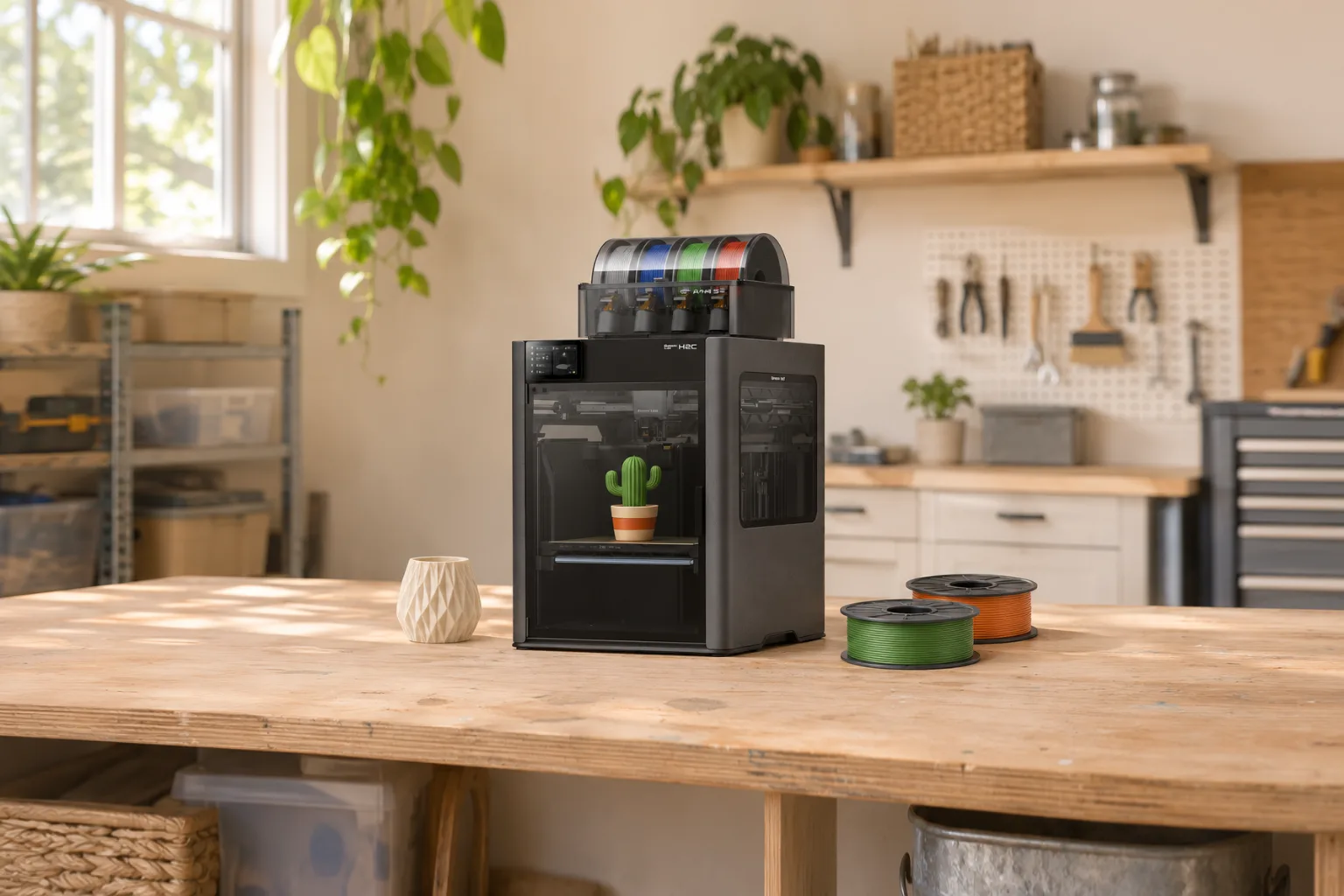
Bambu Lab H2C review

The H2C AMS Combo ($1,899 in November 2026, typical $2,199) is the Bambu to buy if you print many colors often: its Vortek rack of induction hotends cuts purge waste to a fraction of the H2D's in Bambu's own figures. For one or two colors, the H2D or H2S costs less.

Read review

Comparison

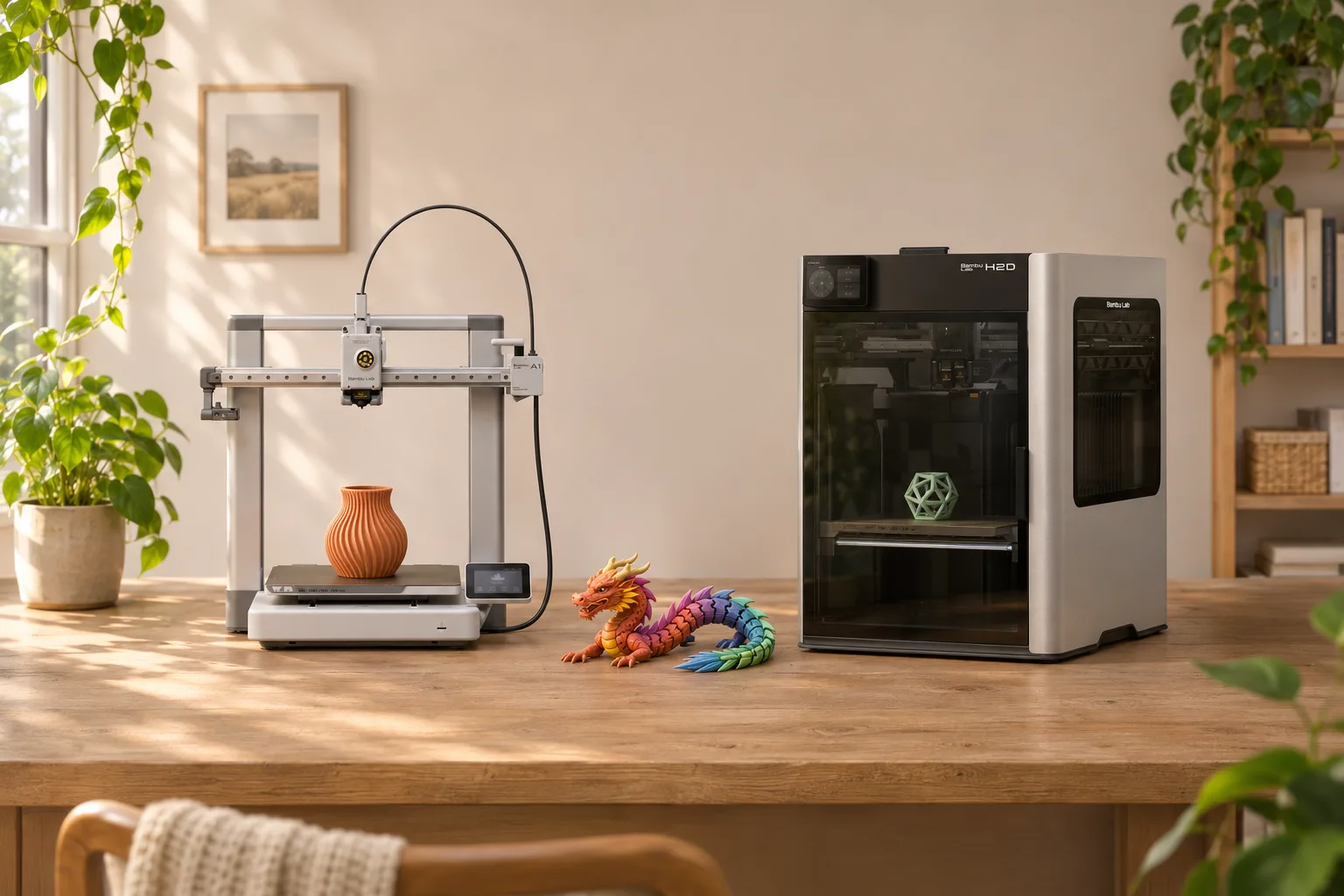
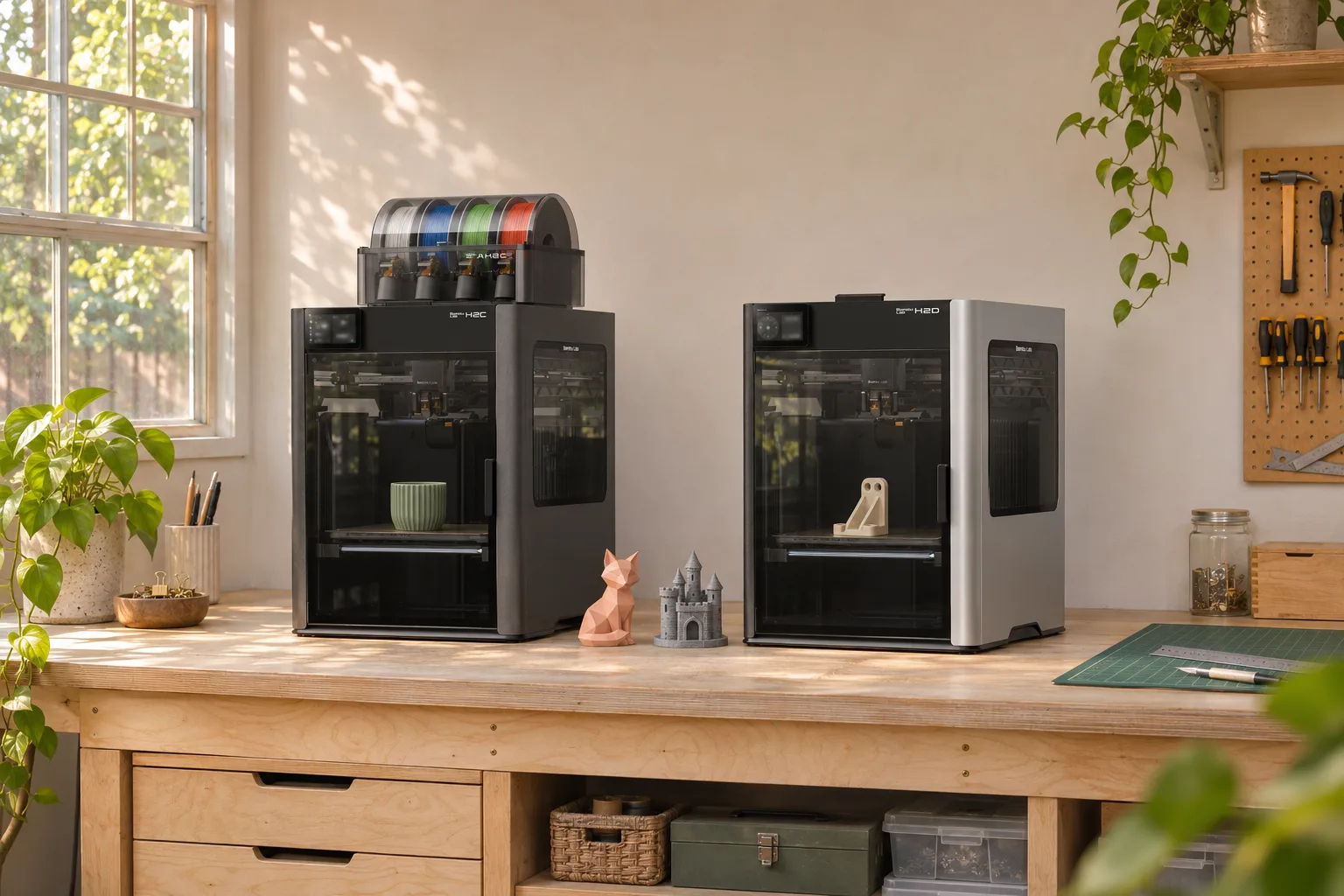
Bambu Lab H2C vs H2D: which is better?

The H2C ($1,899 AMS Combo in November 2026) is better for prints with many colors: Bambu's own figures put its purge waste at 18–27% of the H2D's. The H2D ($1,599 Combo, or $1,399 printer-only) is better for two-material printing, laser bundles and a lower price.

Read story

Review

Bambu Lab H2D review: is it worth it?

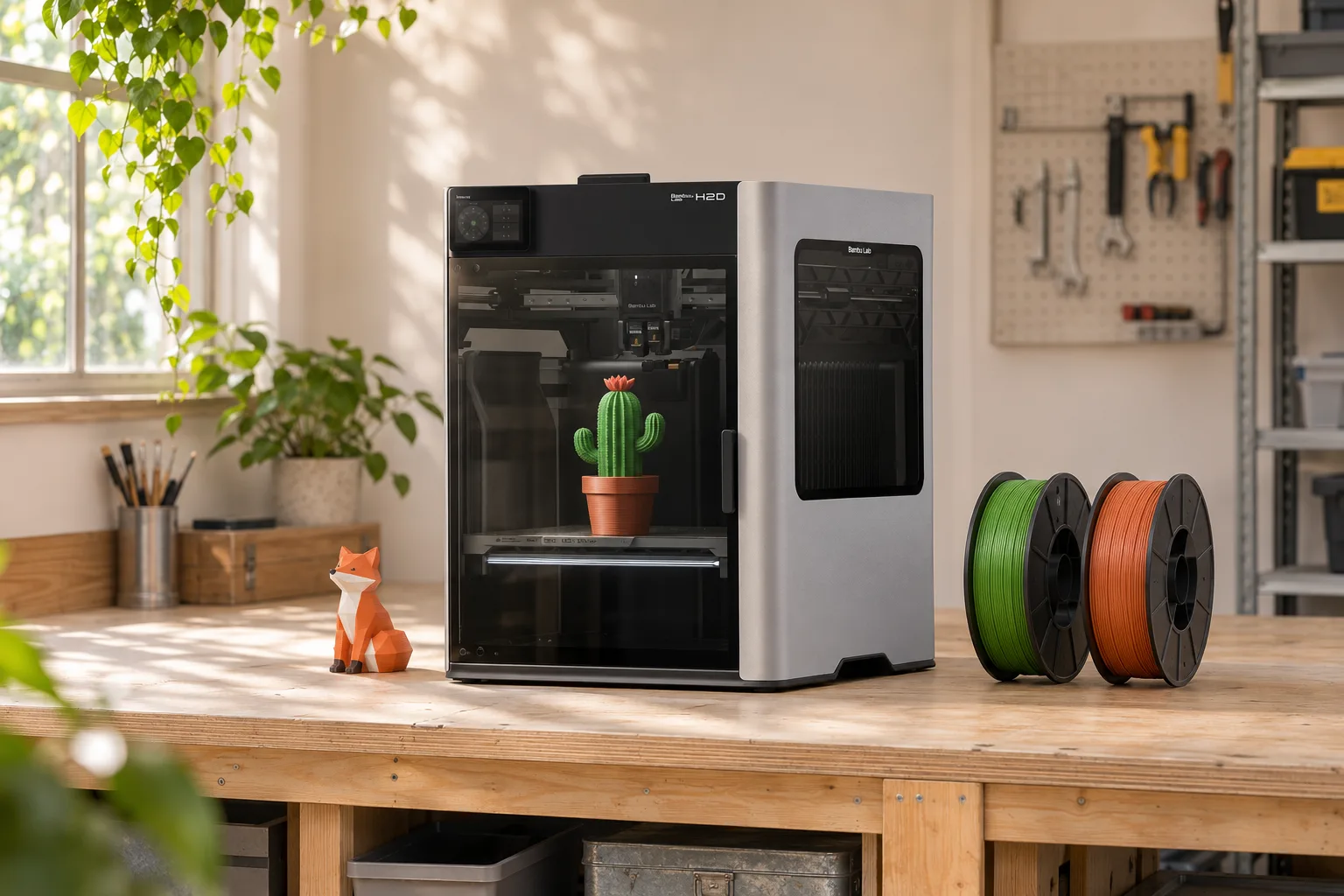
The Bambu Lab H2D ($1,399, or $1,599 as an AMS Combo) is worth it if you need two full 350 °C nozzles, a 65 °C heated chamber, a 325 mm build volume or a laser. For multicolor work, Bambu's own figures show the H2C purges far less.

Read review

Comparison

Bambu Lab H2D vs H2S: what's the difference?

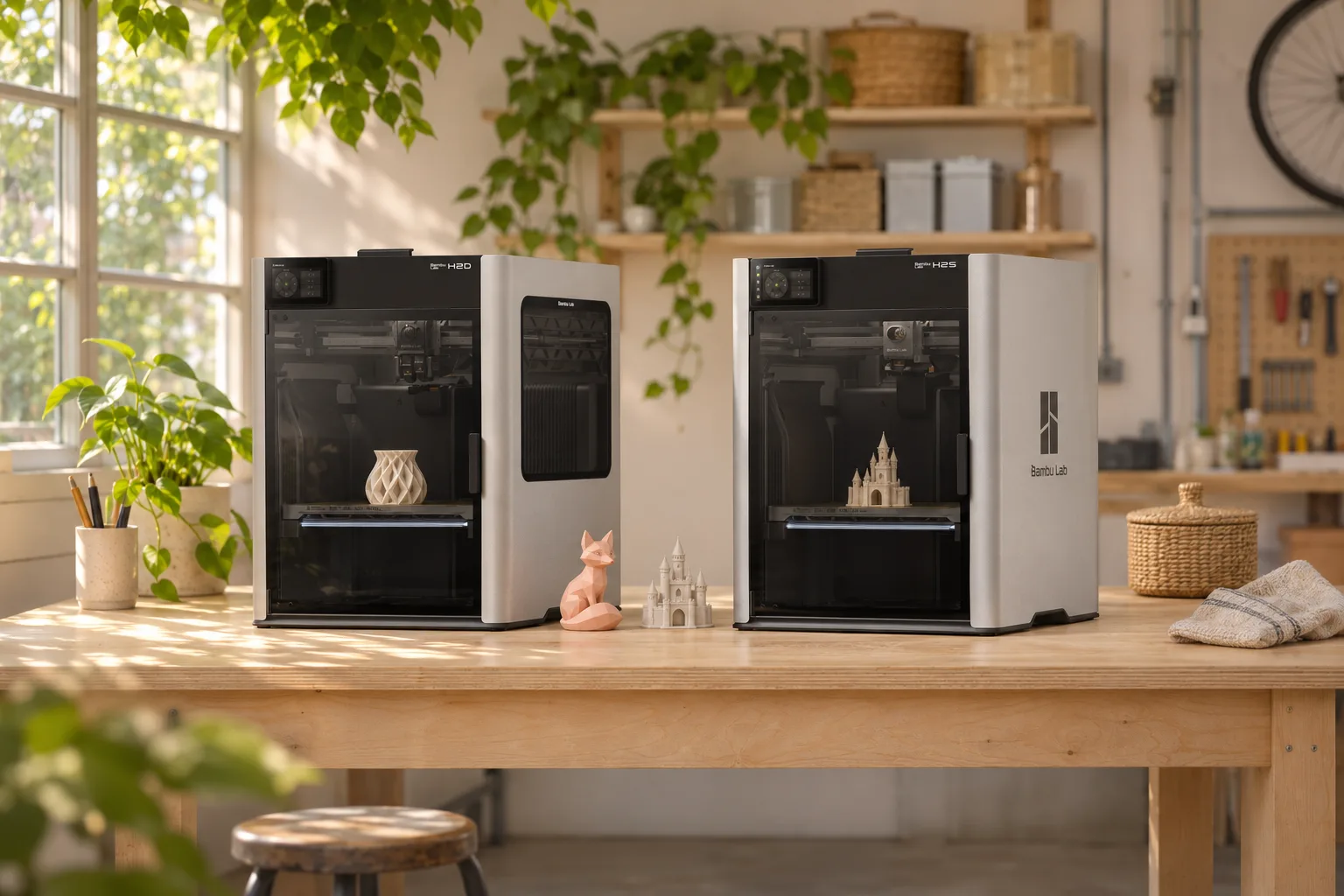
The H2D has two nozzles; the H2S has one, a slightly bigger build volume and costs $350 less ($1,049 vs $1,399 printer-only in November 2026). Pick the H2D for two-material prints or the 40W laser, the H2S for big single-material parts.

Read story

Review

Bambu Lab H2S review: is it worth it?

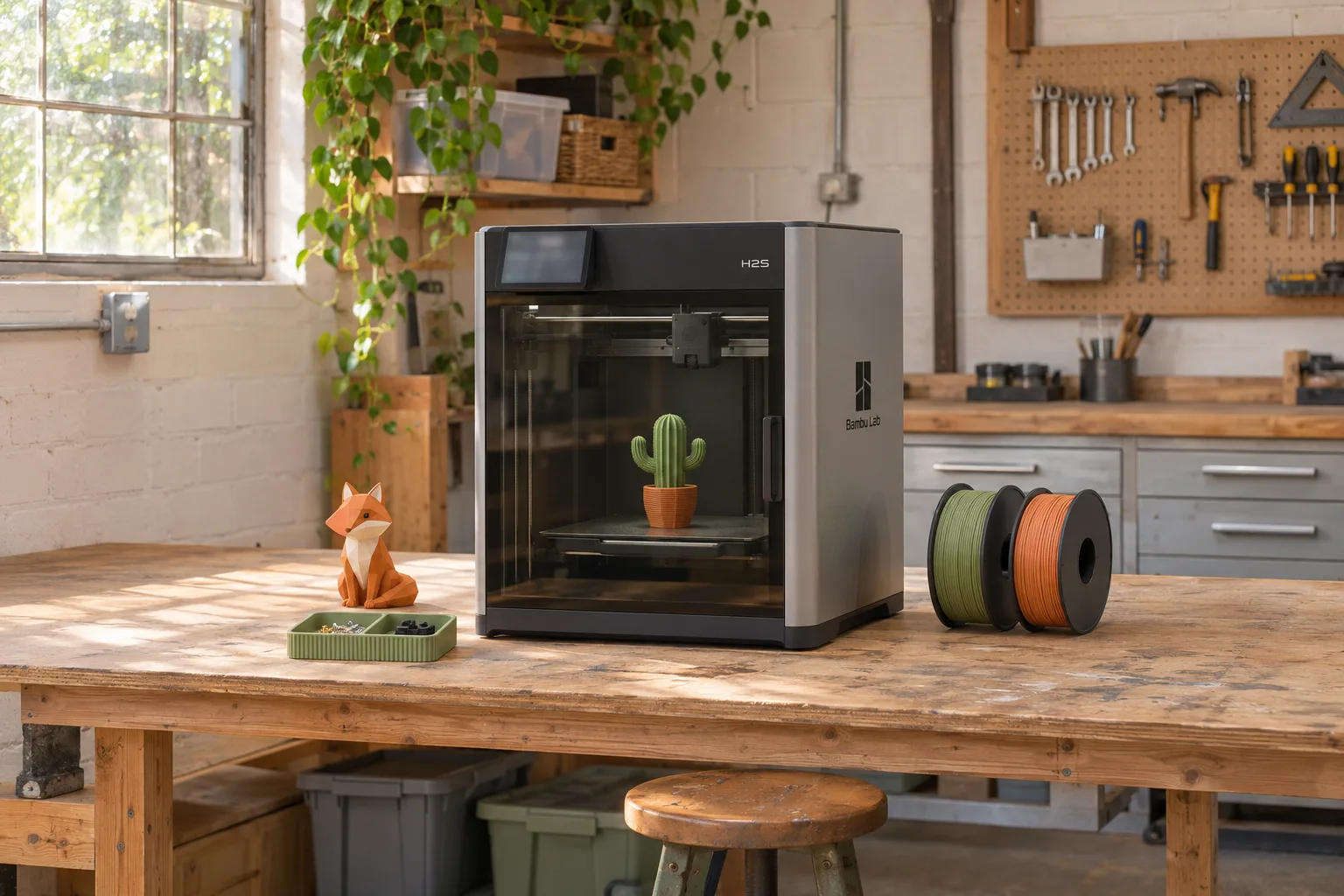
The Bambu Lab H2S ($1,049, or $1,249 as an AMS Combo) is worth it if you print big parts: it has Bambu's largest build volume, 2.2 times a P2S's, plus a 350 °C nozzle and a 65 °C heated chamber. Its single nozzle wastes a lot of filament in multicolor.

Read review

Review

Bambu Lab P1S review: still worth buying?

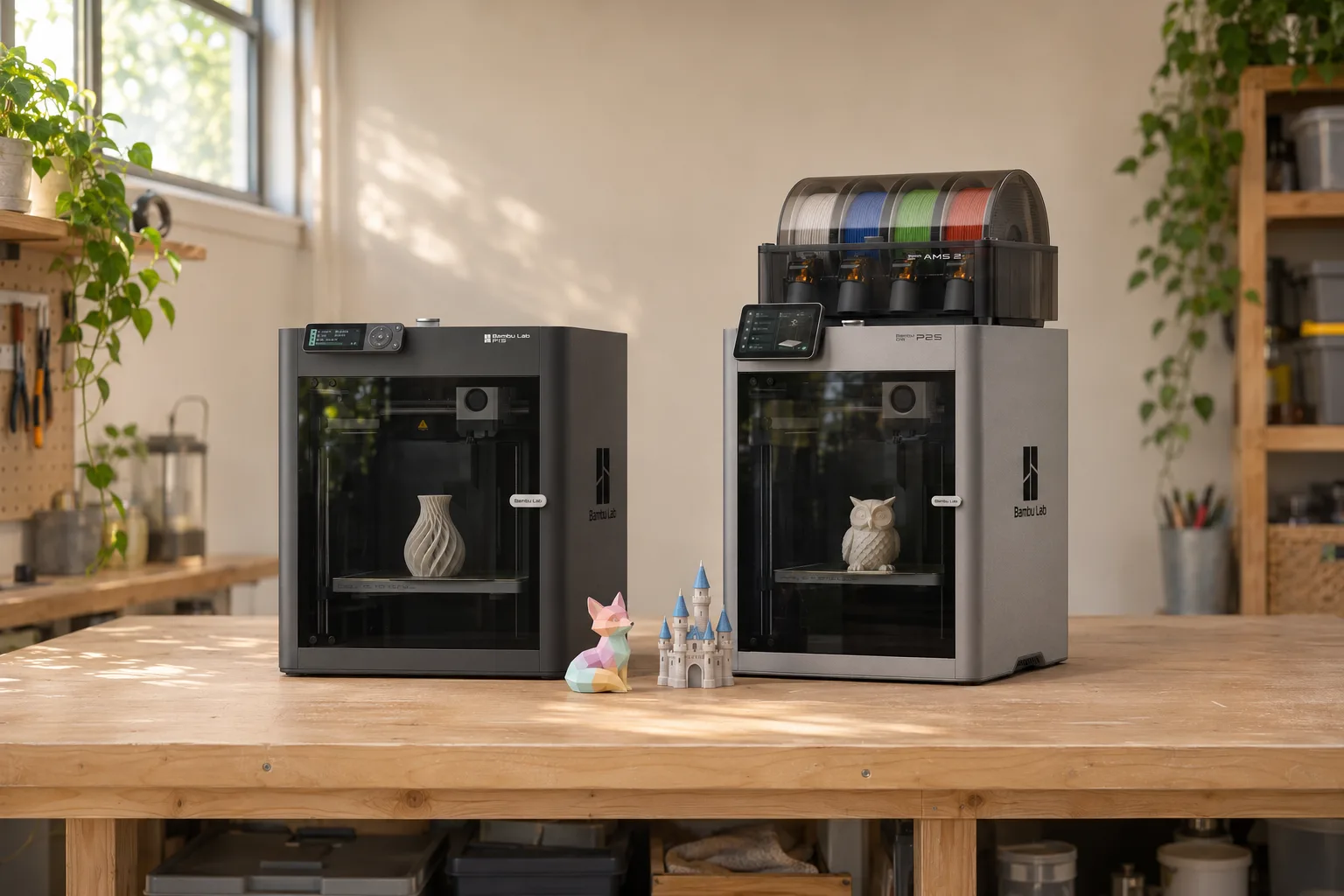
Yes, at $349 the Bambu Lab P1S is still the cheapest enclosed Bambu printer for ABS and ASA. But for $100 more, the P2S adds a touchscreen, a 1080p camera and two more years of updates, and that's the better buy for most people.

Read review

Comparison

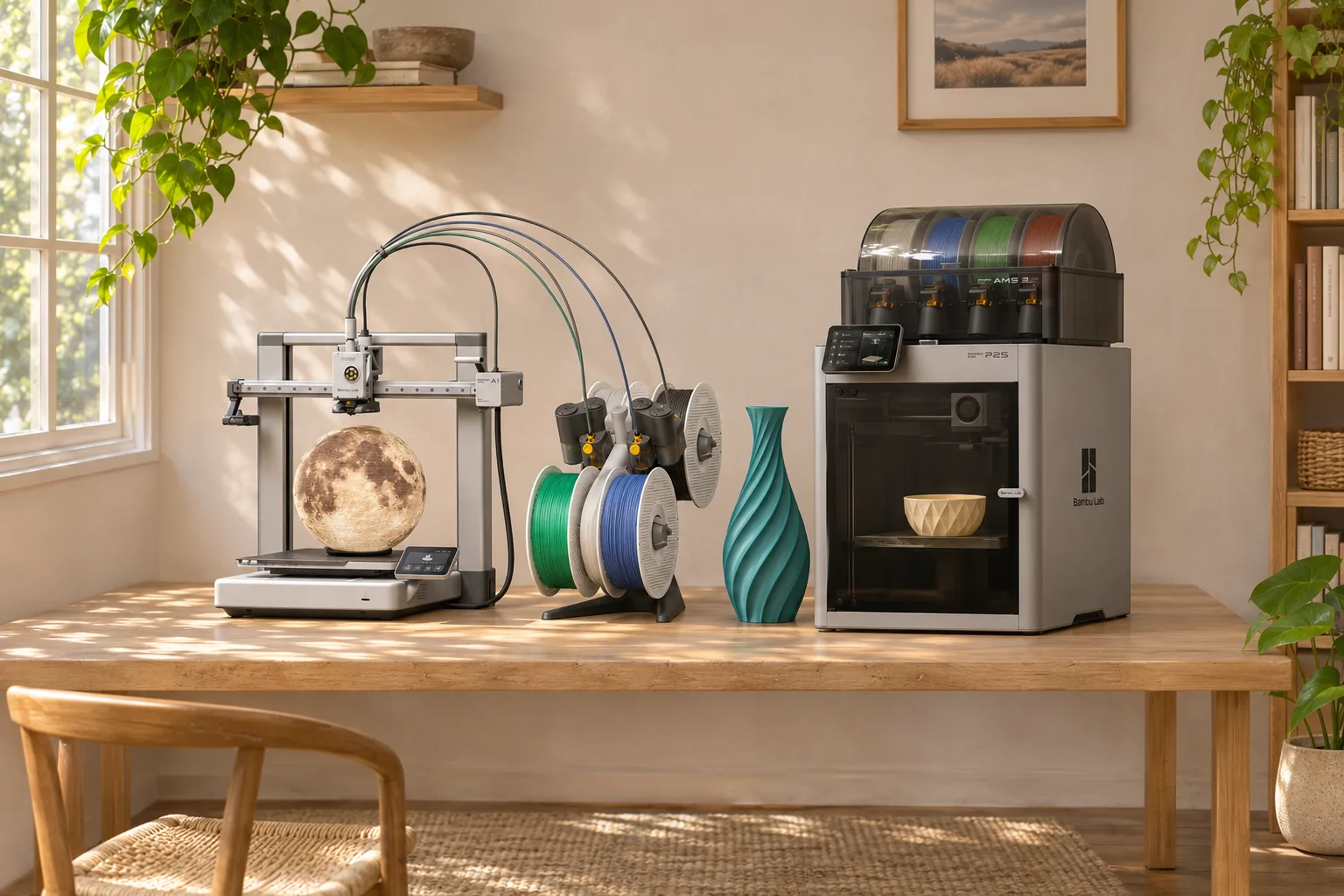
Bambu Lab P1S vs P2S: which should you buy?

Buy the P2S. For $100 more ($449 vs $349, or $649 vs $509 with an AMS 2 Pro), it adds a touchscreen, a 1080p camera, a hardened quick-swap nozzle, a 110 °C bed and 27 more months of updates. The P1S is only for the tightest budgets.

Read story

Comparison

Bambu Lab P2S vs X2D: which is better?

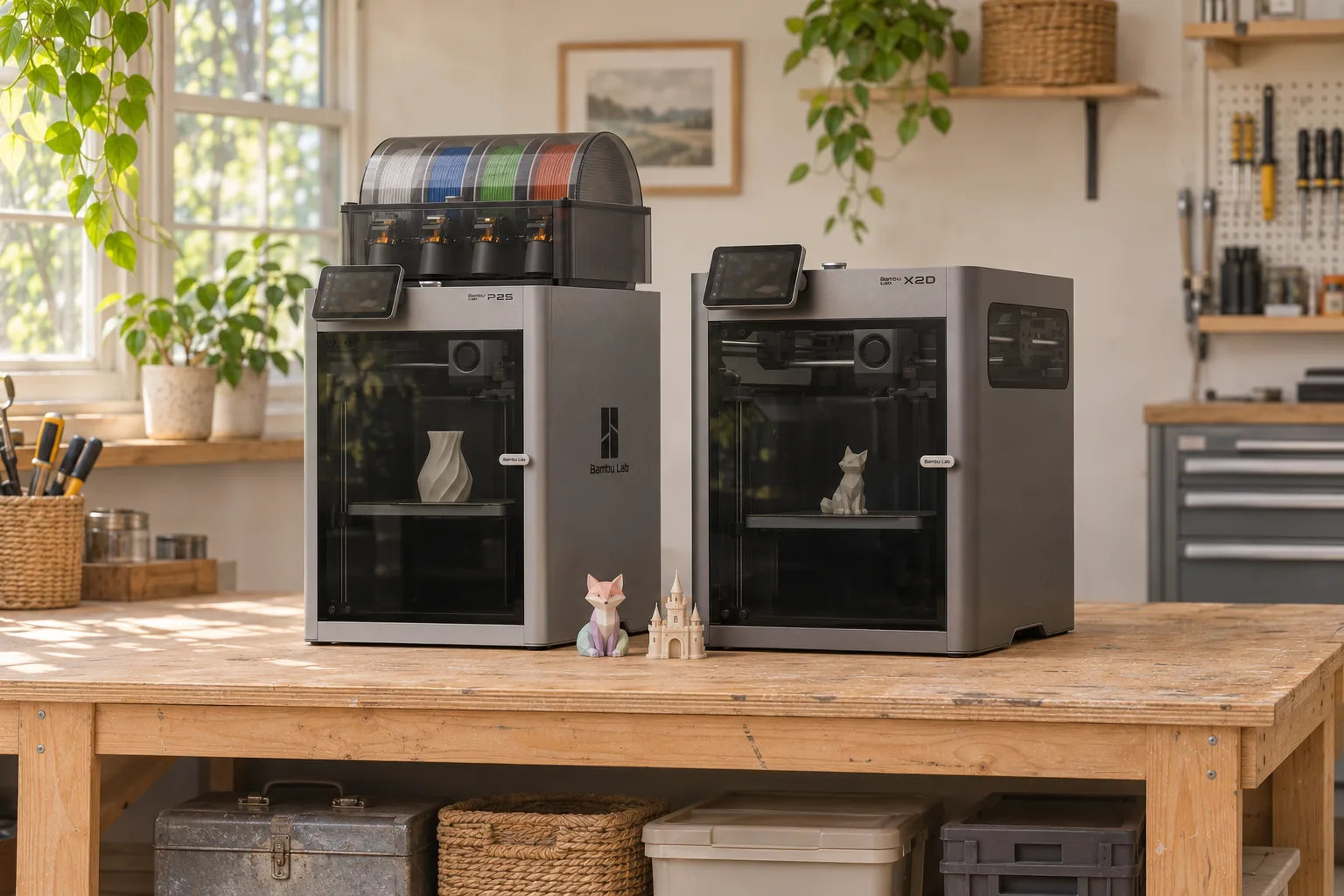
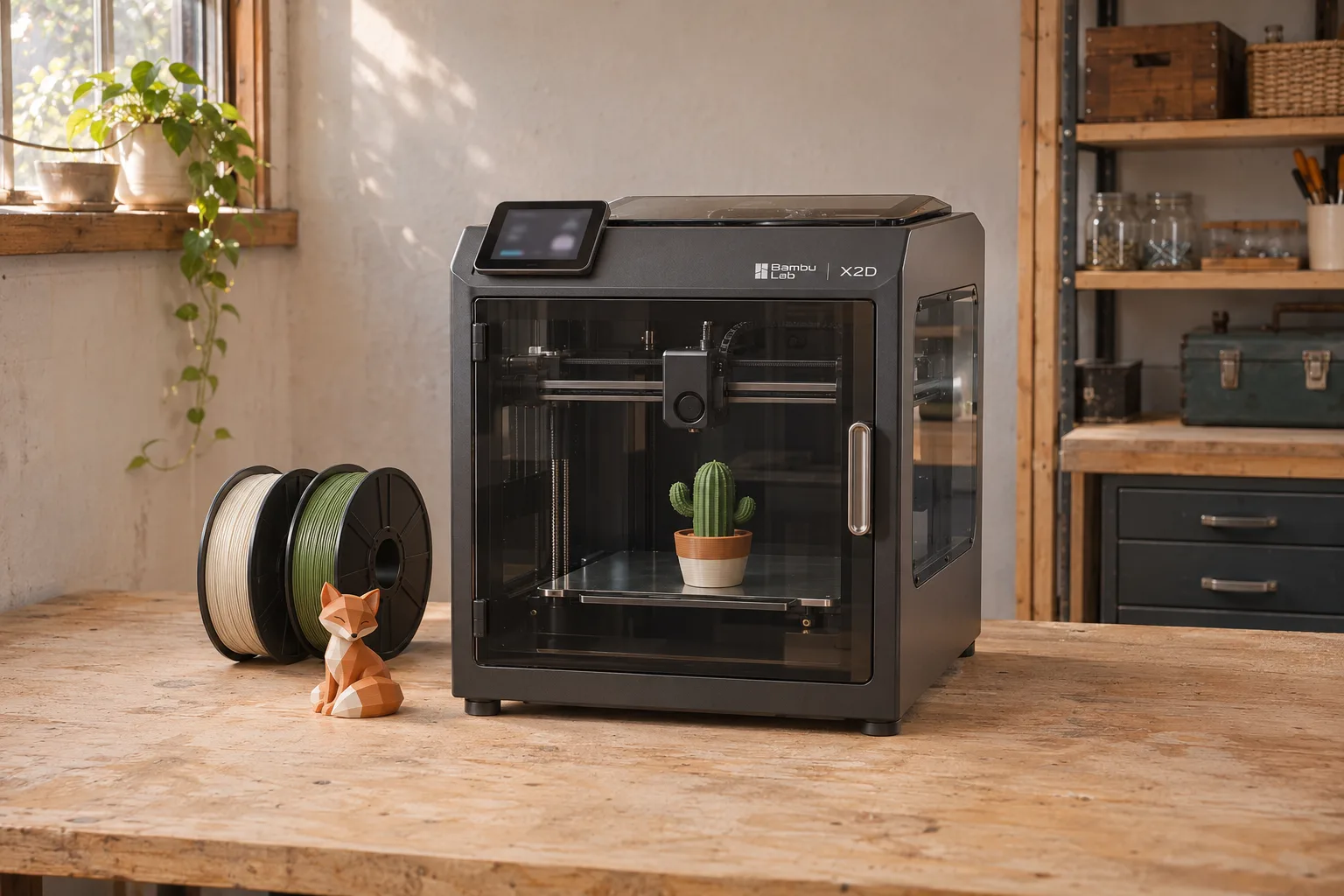
The X2D is the better printer and worth the $140 if you print ABS, nylon or two materials: it adds a second nozzle, a 65 °C heated chamber and HEPA filtration ($789 vs $649 as AMS Combos). The P2S is the better value for PLA and PETG.

Read story

Review

Bambu Lab P3C review

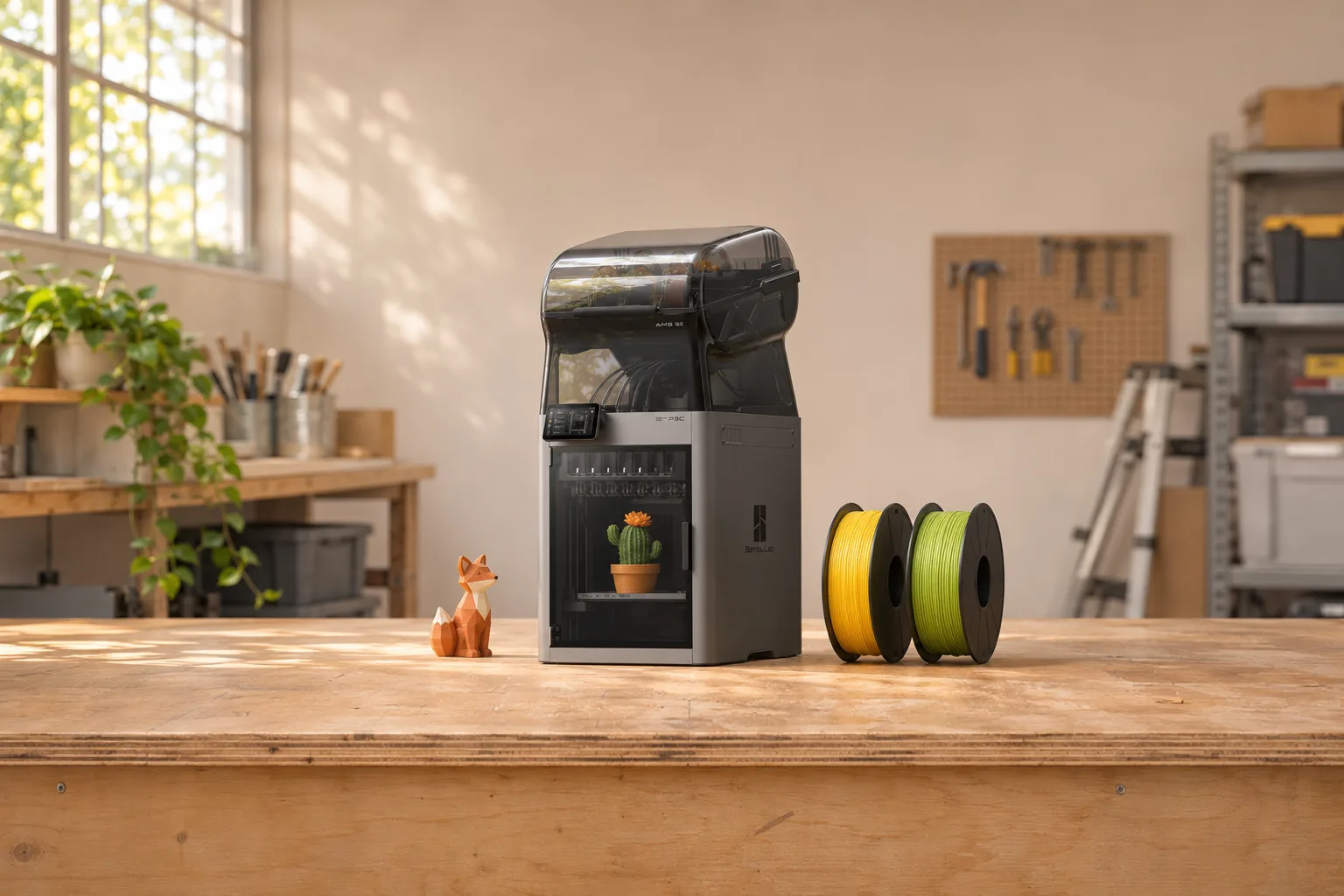
The P3C Combo ($1,149, announced November 24, 2026) is the cheapest Bambu tool changer: five PrintTools, room for seven, and Bambu's claim of 0.038 g purged per swap. It's promising for multicolor printing, but it has no heated chamber and no owner track record yet.

Read review

Comparison

Bambu Lab P3C vs H2C: which should I buy?

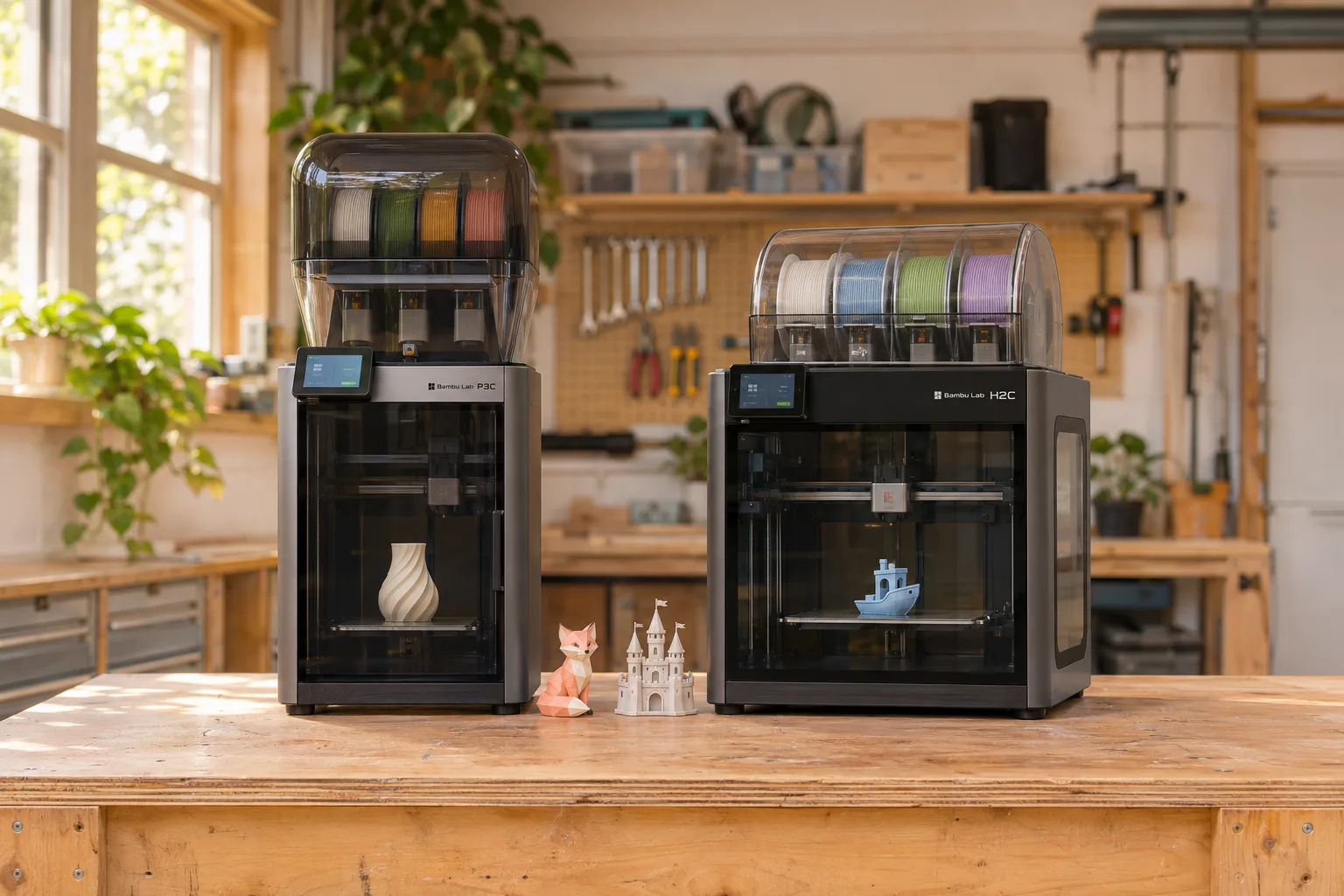
The P3C Combo ($1,149) for most multicolor printing: a true seven-slot tool changer for $750 less. The H2C ($1,899 AMS Combo) if you need its 350 °C nozzle, 65 °C heated chamber, twice the build volume or a laser.

Read story

Comparison

Bambu Lab X2D vs H2D: which should you buy?

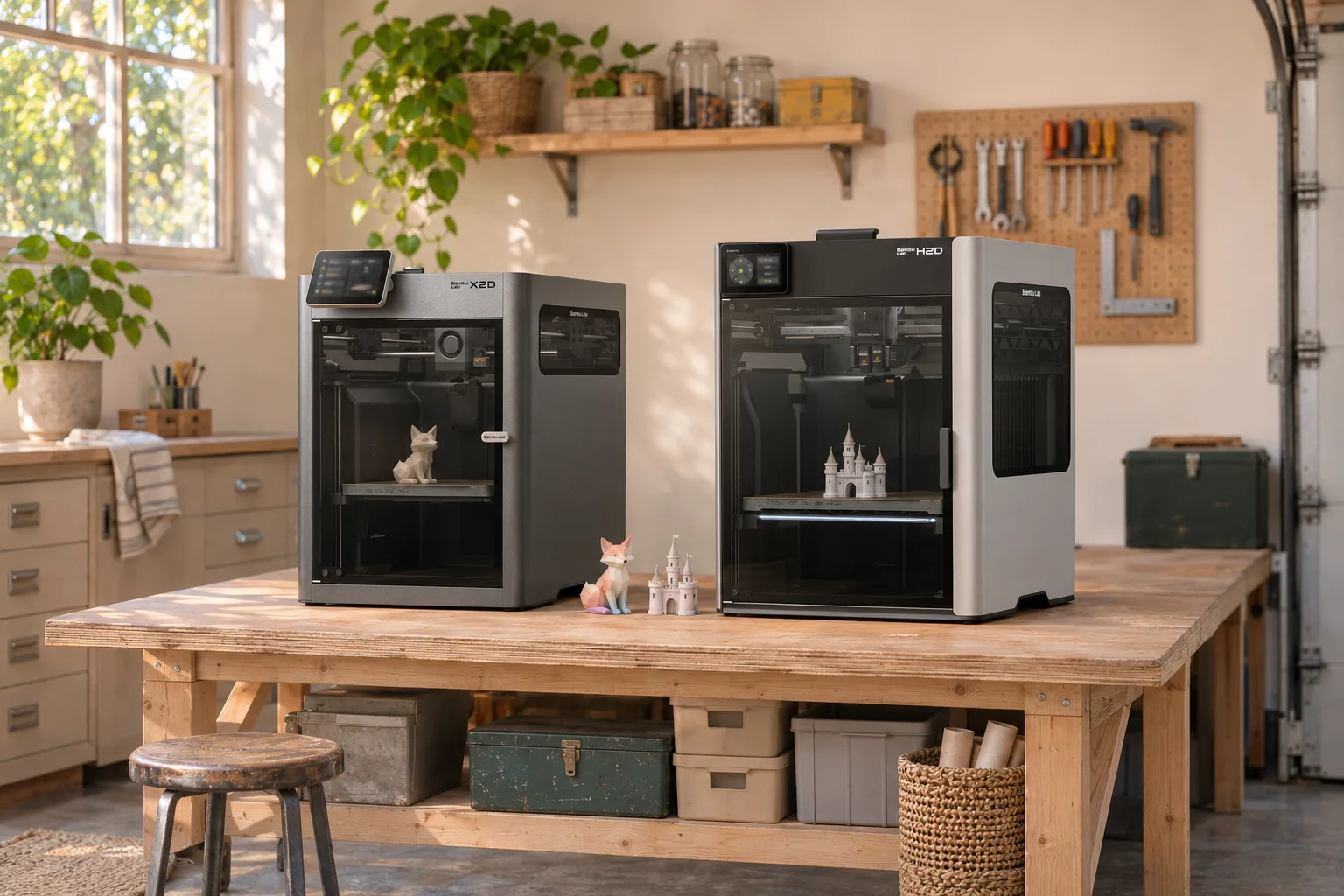
Buy the X2D ($789 with an AMS 2 Pro in November 2026) for dual-nozzle printing on a 256 mm bed with a 65 °C heated chamber. Buy the H2D ($1,599 Combo) if you need twice the build volume, 350 °C nozzles for PPS, or a laser.

Read story

Buying guide

The best 3D printing tools and accessories

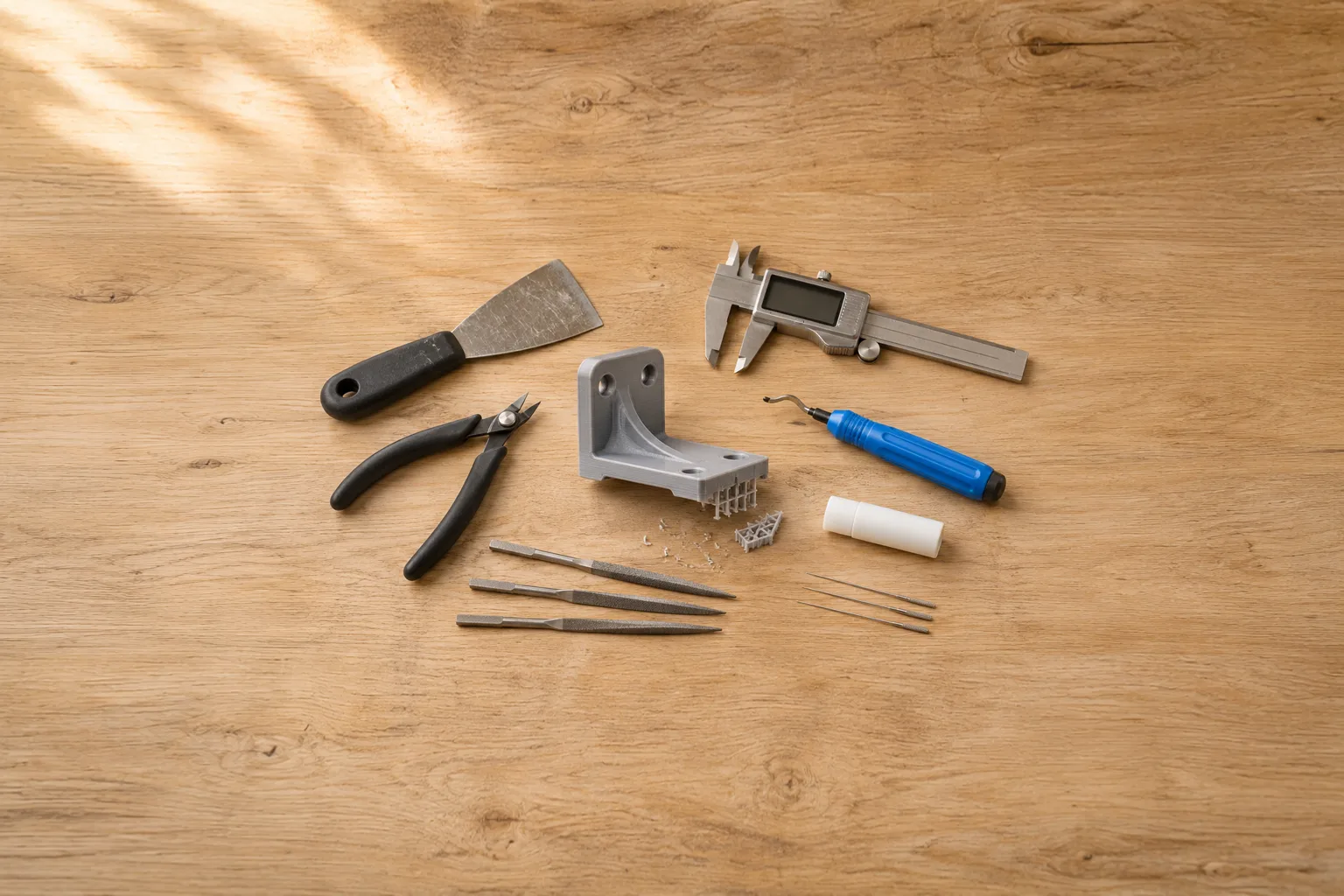
The Creality Tool Wrap Kit Pro ($25.49) covers the tools a new 3D printer owner needs: scraper, nipper, deburring tool, files and nozzle needles. Add a $56 filament dryer for PETG and TPU. For ABS on an open printer, a $37.99 tent enclosure holds heat, but don't enclose a Bambu A1.

Read story

Buying guide

The best 3D scanners for 3D printing

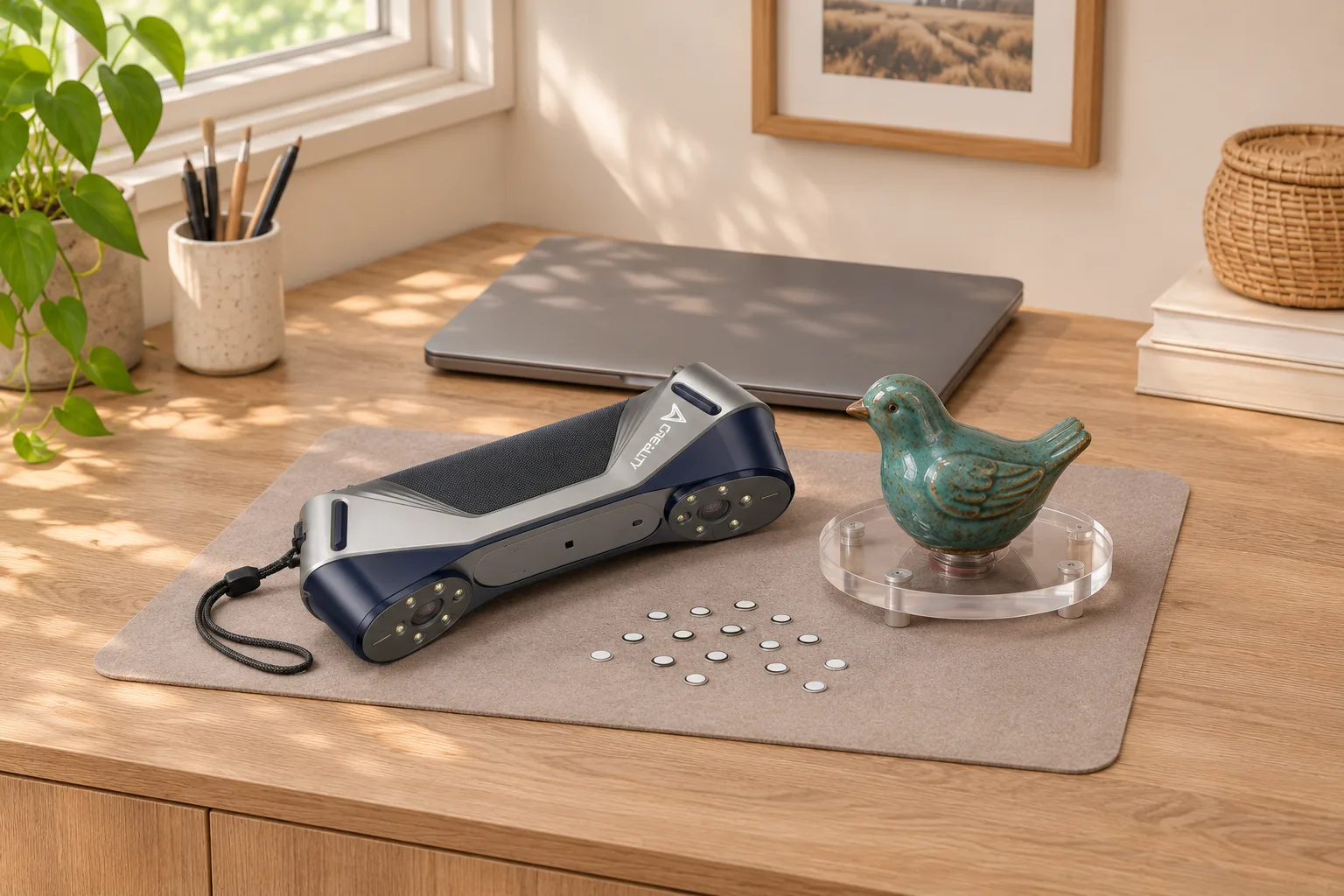
The Creality CR-Scan Raptor ($824) is the best 3D scanner for 3D printing: blue laser plus infrared, rated to 0.02 mm, for objects from 5 mm to 2 meters, black and metal without spray. The Revopoint POP 3 Plus ($499.84) is the value pick.

Read story

Buying guide

The best Bambu Lab alternatives

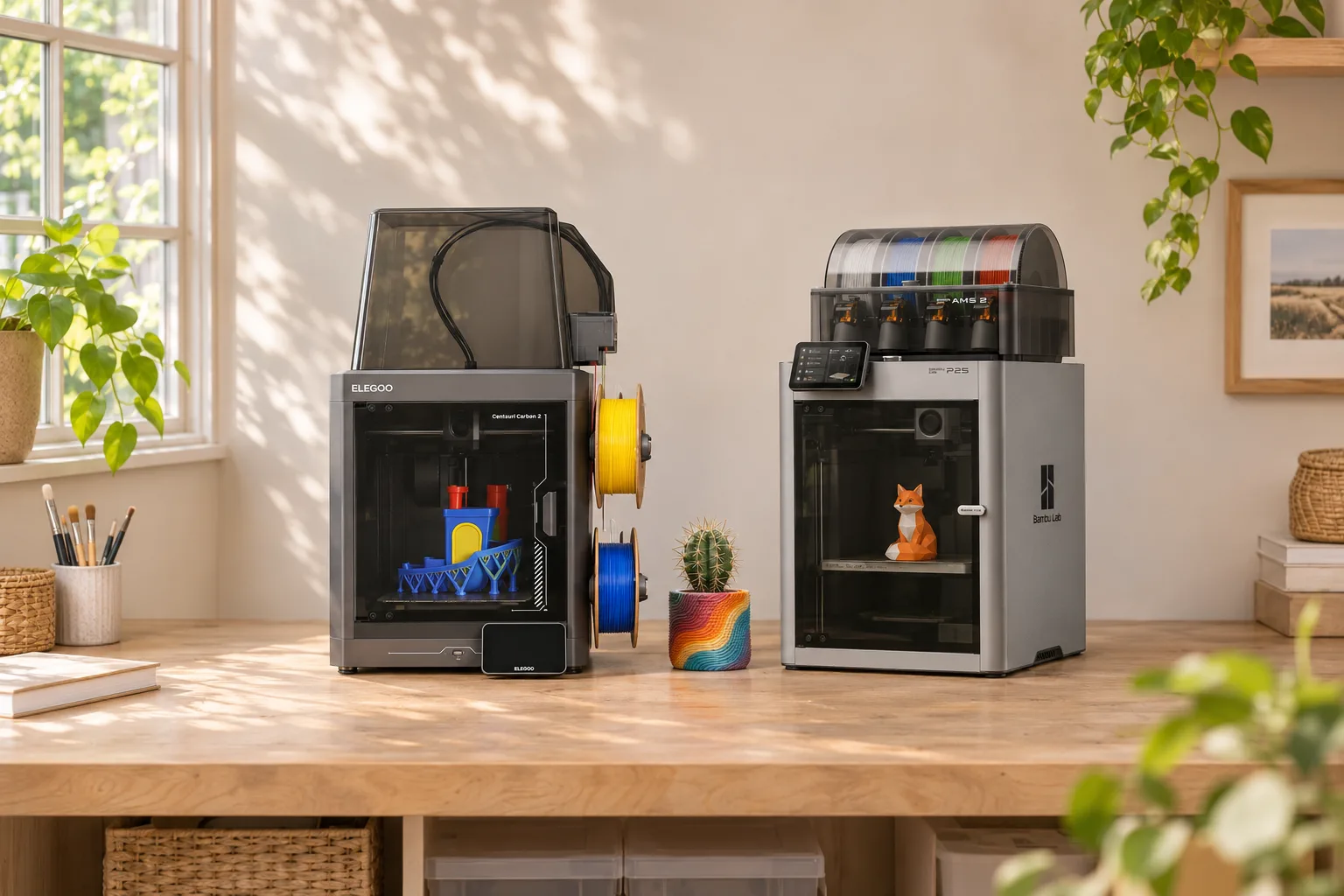
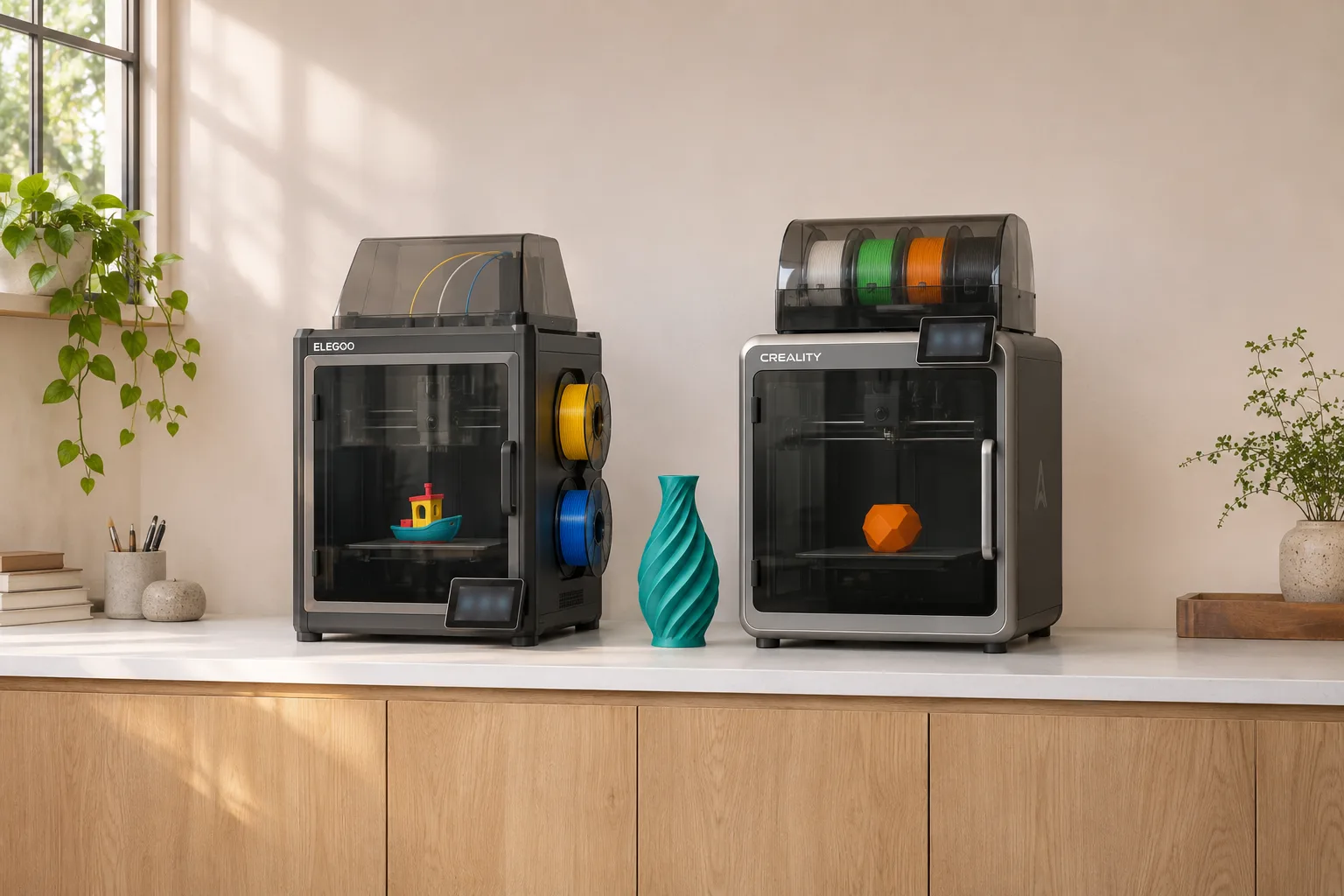
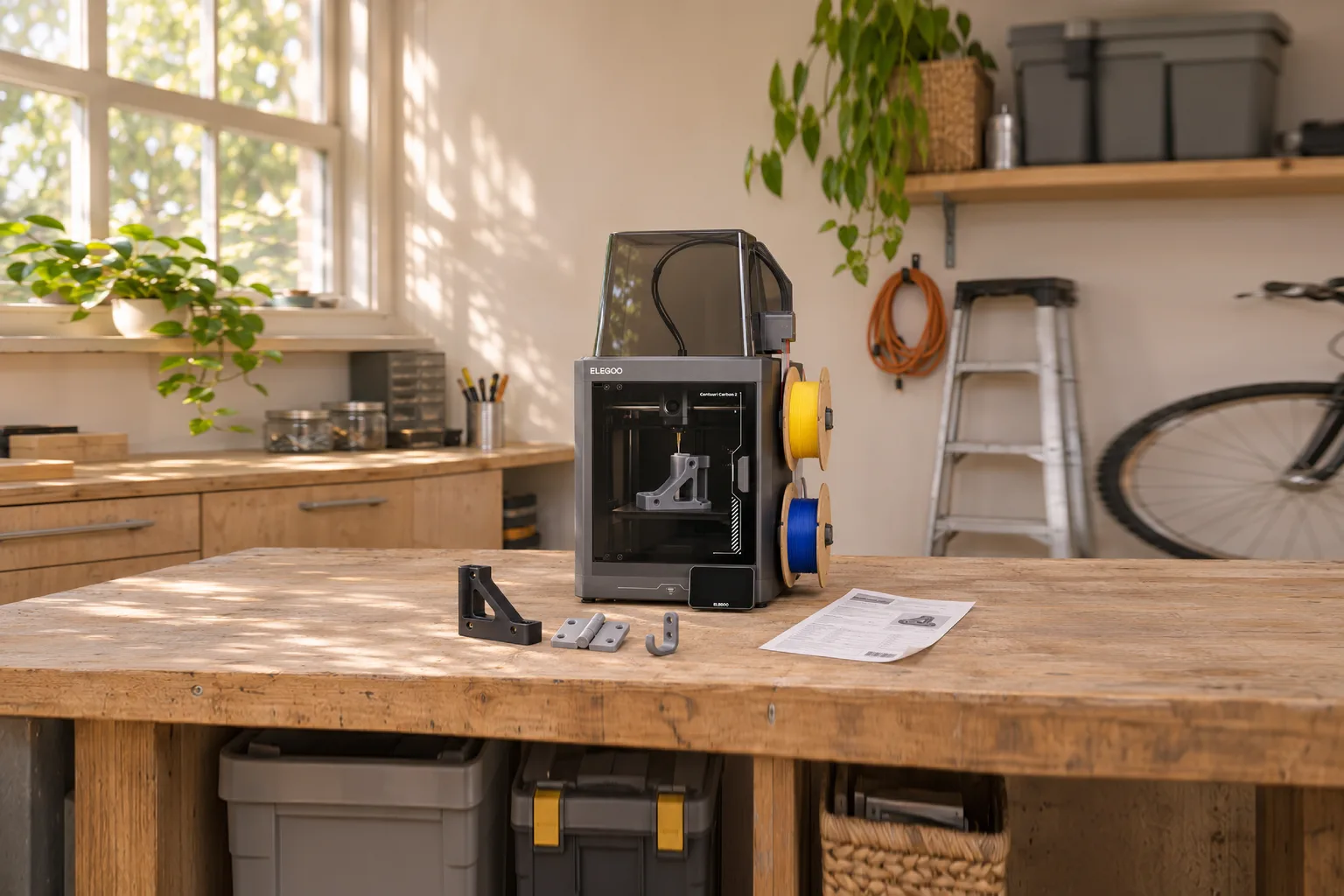
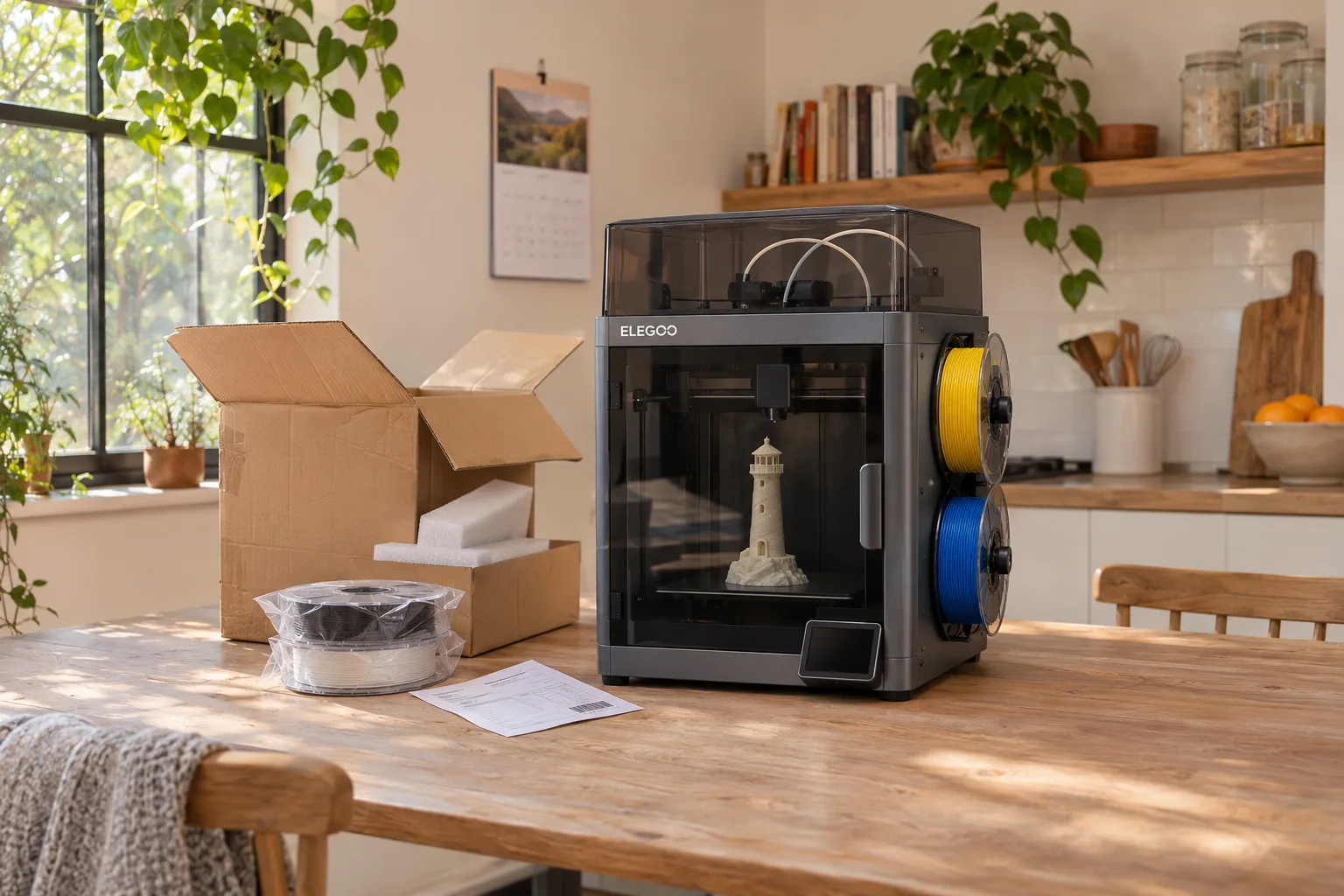
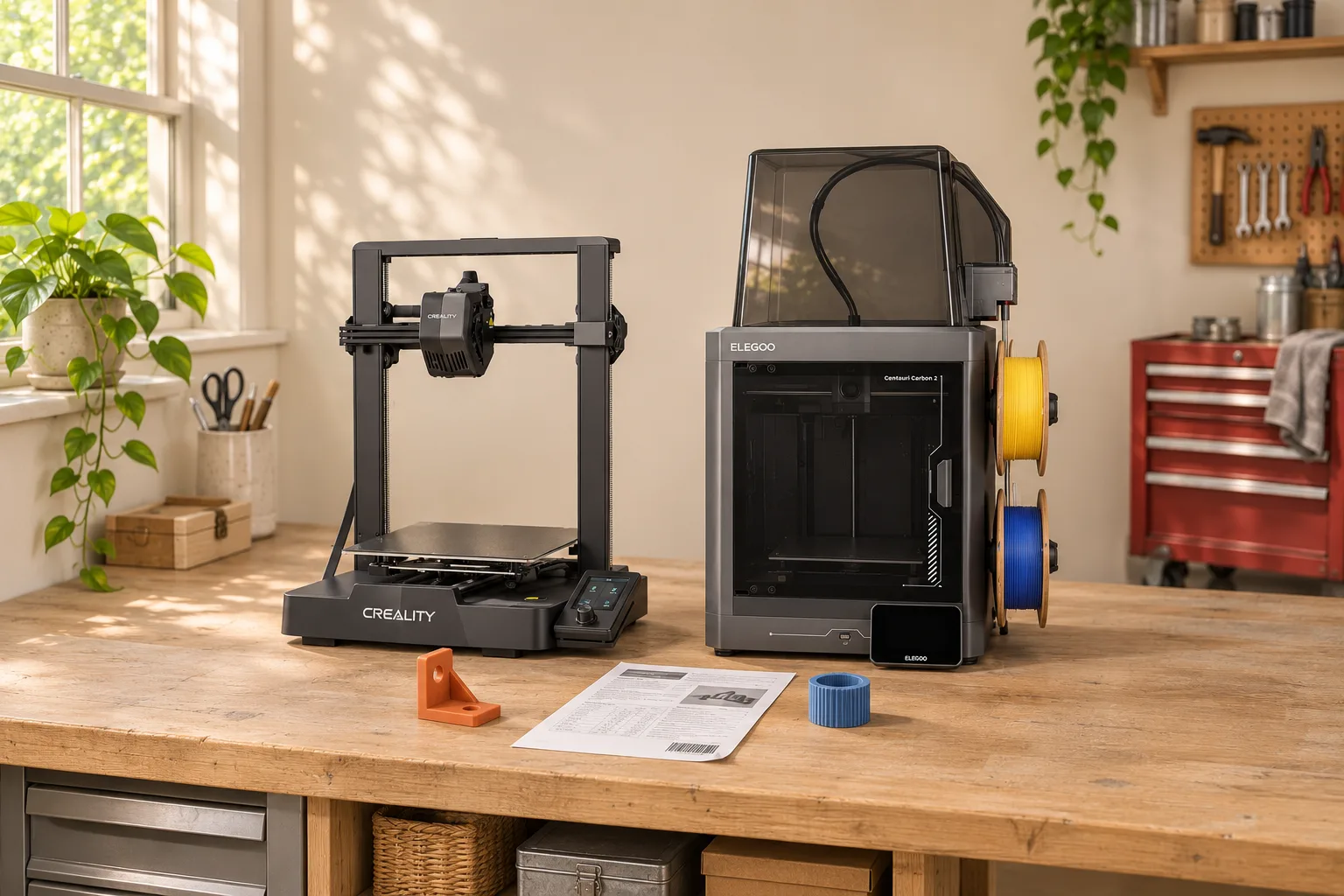
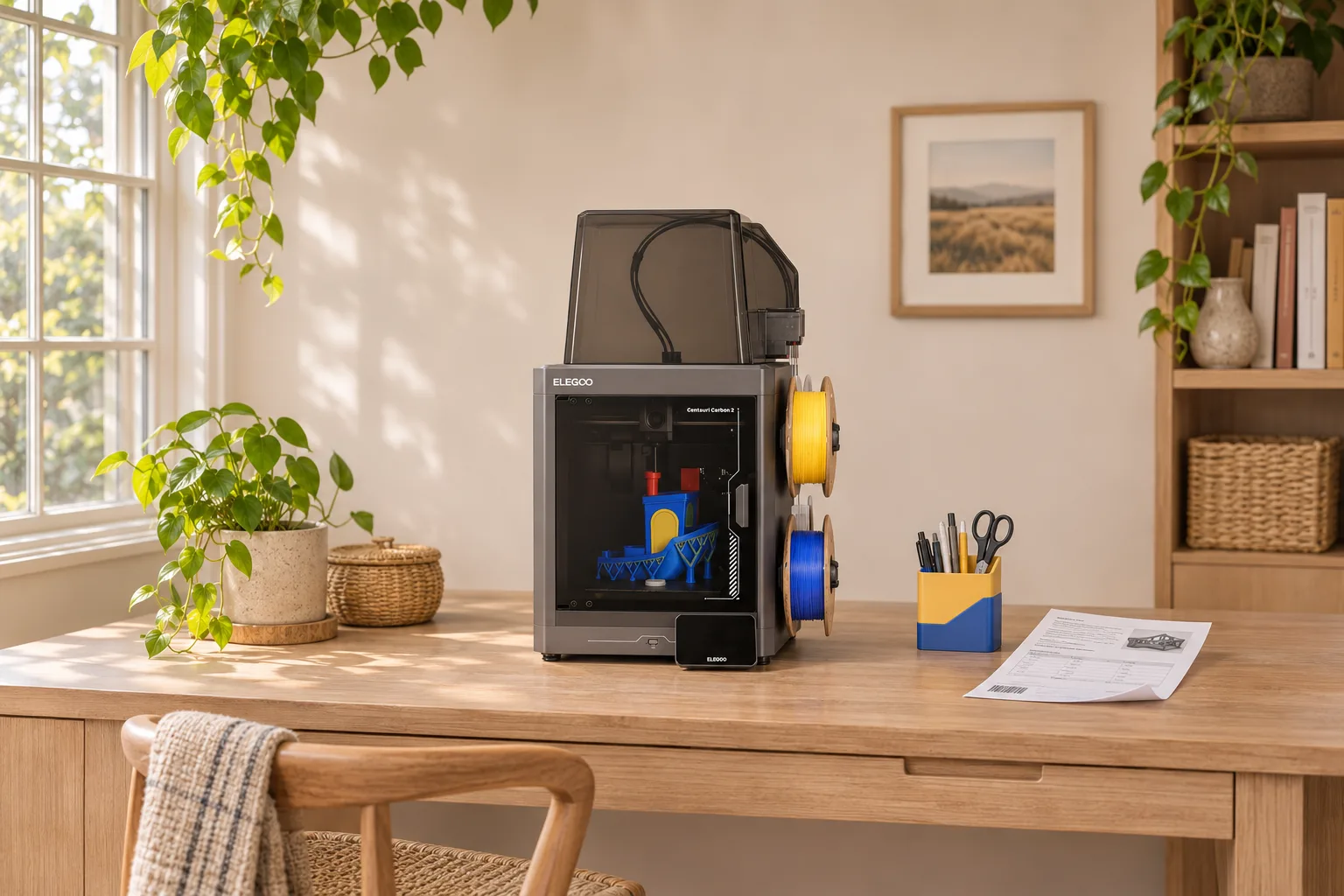
The Elegoo Centauri Carbon 2 Combo ($369 in November 2026) is the best Bambu Lab alternative: enclosed, four colors and a 350 °C nozzle for $110 less than Bambu's cheapest enclosed Combo. The Prusa CORE One+ is the open, offline choice, and the Snapmaker U1 the low-waste one.

Read story

Buying guide

The best dual-nozzle 3D printers

The Bambu Lab X2D ($589 in November 2026, or $789 with an AMS 2 Pro) is the best dual-nozzle 3D printer for most people: two nozzles and a 65 °C heated chamber for less than many single-nozzle printers. The H2D ($1,399) is the big one, and the H2C the pick for many colors.

Read story

Buying guide

The best filament dryers

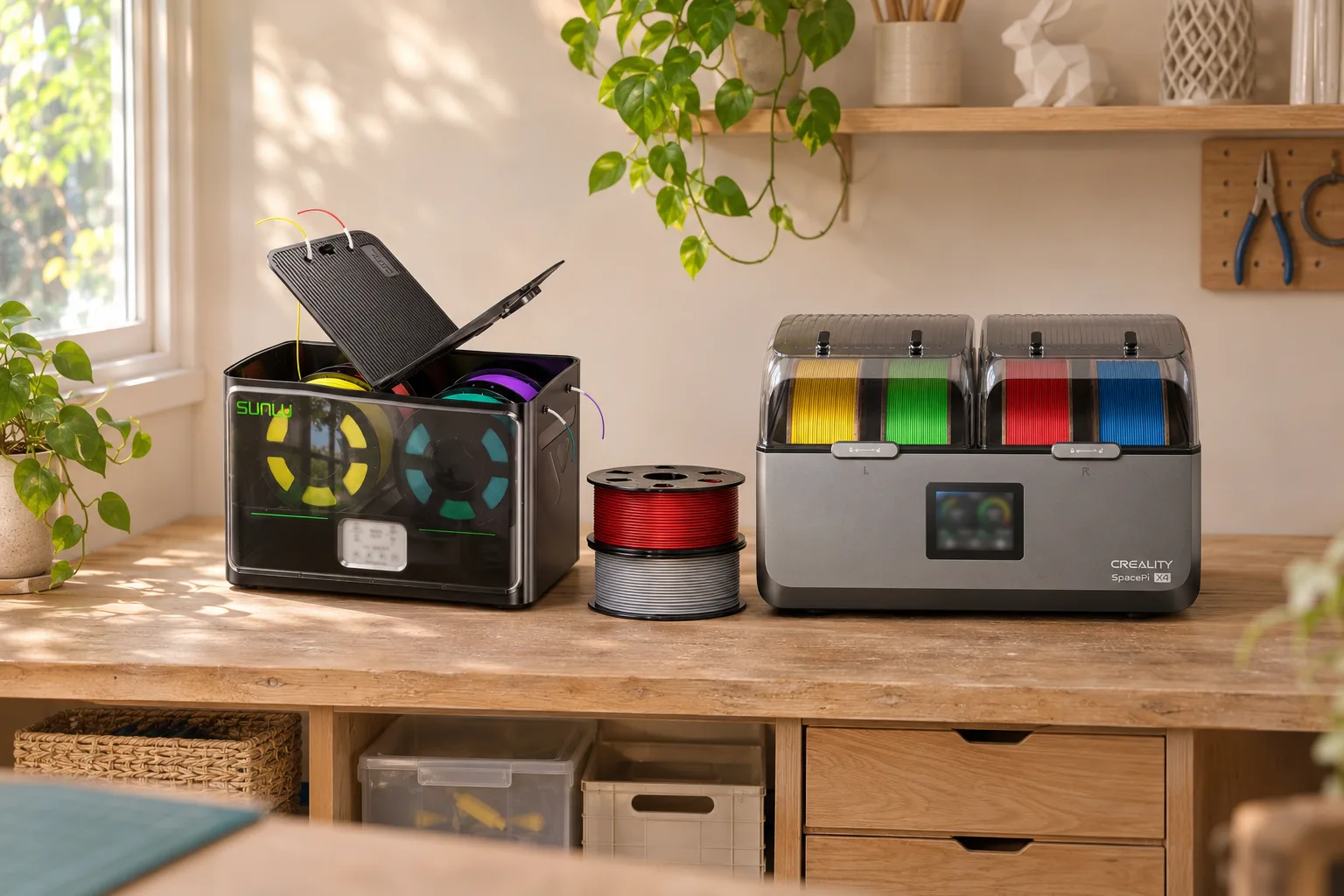
The Sunlu S4 ($99.44 on Amazon) is the best filament dryer for most people: four spools at up to 70 °C for about $25 a spool slot. For nylon, PC and ABS, the Creality SpacePi X4 ($149) reaches 85 °C in two separate chambers.

Read story

Buying guide

The best large 3D printers

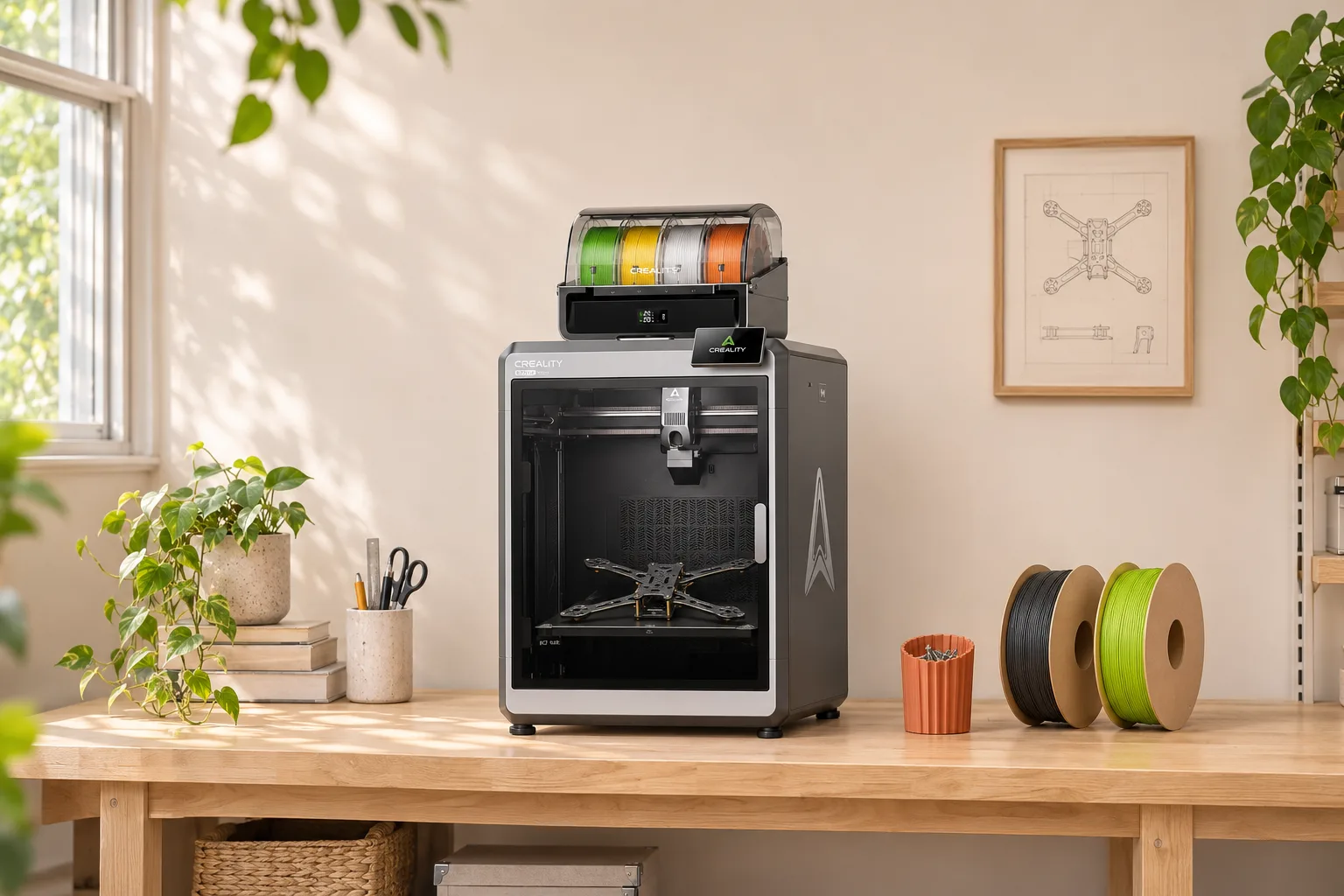
The Creality K2 Plus Combo ($1,044 in November 2026, or $854 without the filament box) is the best large 3D printer: an enclosed 350 mm cube with a 60 °C heated chamber. The Sovol SV08 ($529) is the best value per liter, and the Bambu A2L ($439) the easiest big printer.

Read story

Buying guide

The best PETG filament

Polymaker PETG is the best PETG filament: it has a published data sheet (69 °C heat deflection, no enclosure needed) and cost $12.47 a kilogram on Amazon in November 2026. Elegoo PETG is the cheapest at $11.04. Dry any PETG at 55–65 °C before printing.

Read story

Buying guide

The best resin for miniatures

For tabletop miniatures that get handled, use a tough ABS-like resin: Siraya Tech Fast ($27.37 a kg, 18% elongation) or the cheaper Anycubic ABS-Like Resin Pro 2 ($13.71, 35–40%). For display detail, Phrozen Aqua Gray 8K, but it stretches only 4.8–7.6% before it snaps.

Read story

Buying guide

The best tool changer 3D printers

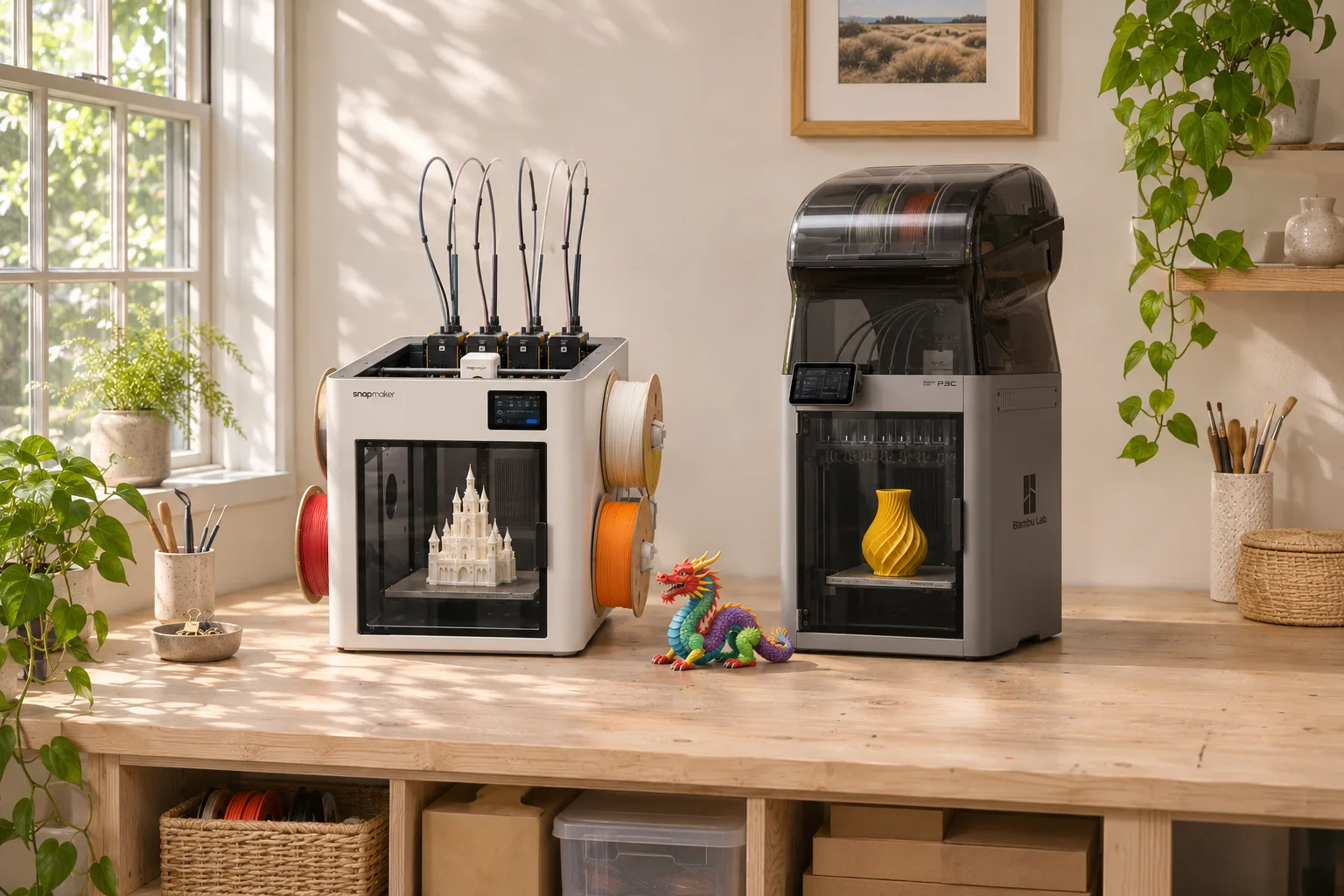
The Snapmaker U1 ($699 in November 2026) is the best tool changer for most people: four toolheads, in stock, and far less purge waste than a single-nozzle printer. The Flashforge Creator 5 Pro ($649) is the cheapest enclosed one, and the Bambu P3C ($1,149) holds the most tools under $1,200.

Read story

Buying guide

The best TPU filament

Polymaker TPU 95A is the best TPU filament: Shore 95A, a published data sheet and $19.49 for a full kilogram on Amazon in November 2026. Overture and Sunlu 95A cost within 45 cents. Dry TPU at 60–70 °C, and print it from an external spool, not an AMS.

Read story

Buying guide

The best wash and cure stations for resin prints

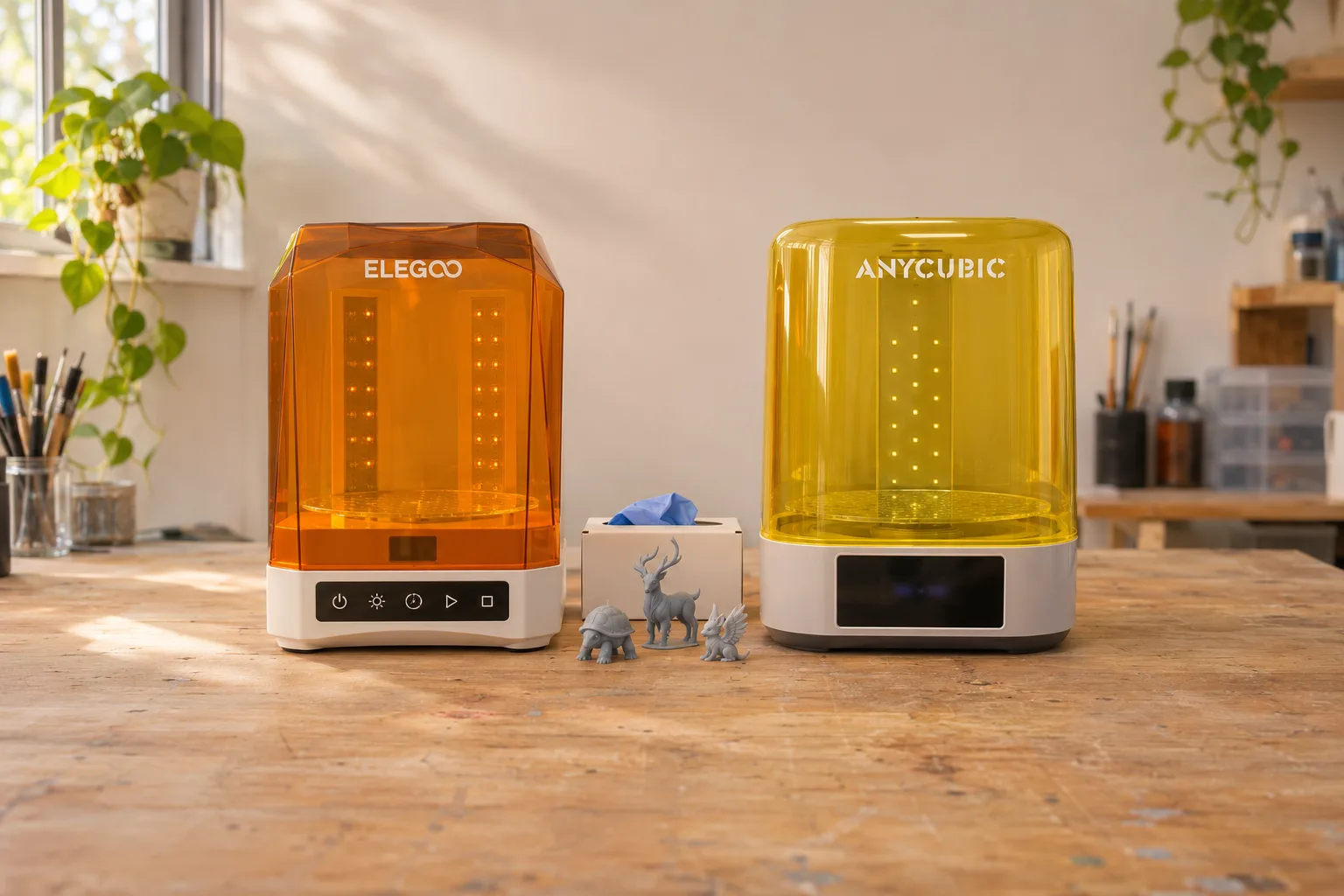
The Elegoo Mercury Plus V3.0 ($139.98) is the best wash and cure station for most resin printers: a 7.5-liter tank, 24 UV LEDs and a turntable. The Anycubic Wash & Cure 3 Plus suits printers up to 10.6 inches, and the $85.49 Wash & Cure 3 fits 6- to 7-inch printers.

Read story

Review

Creality K2 Combo review

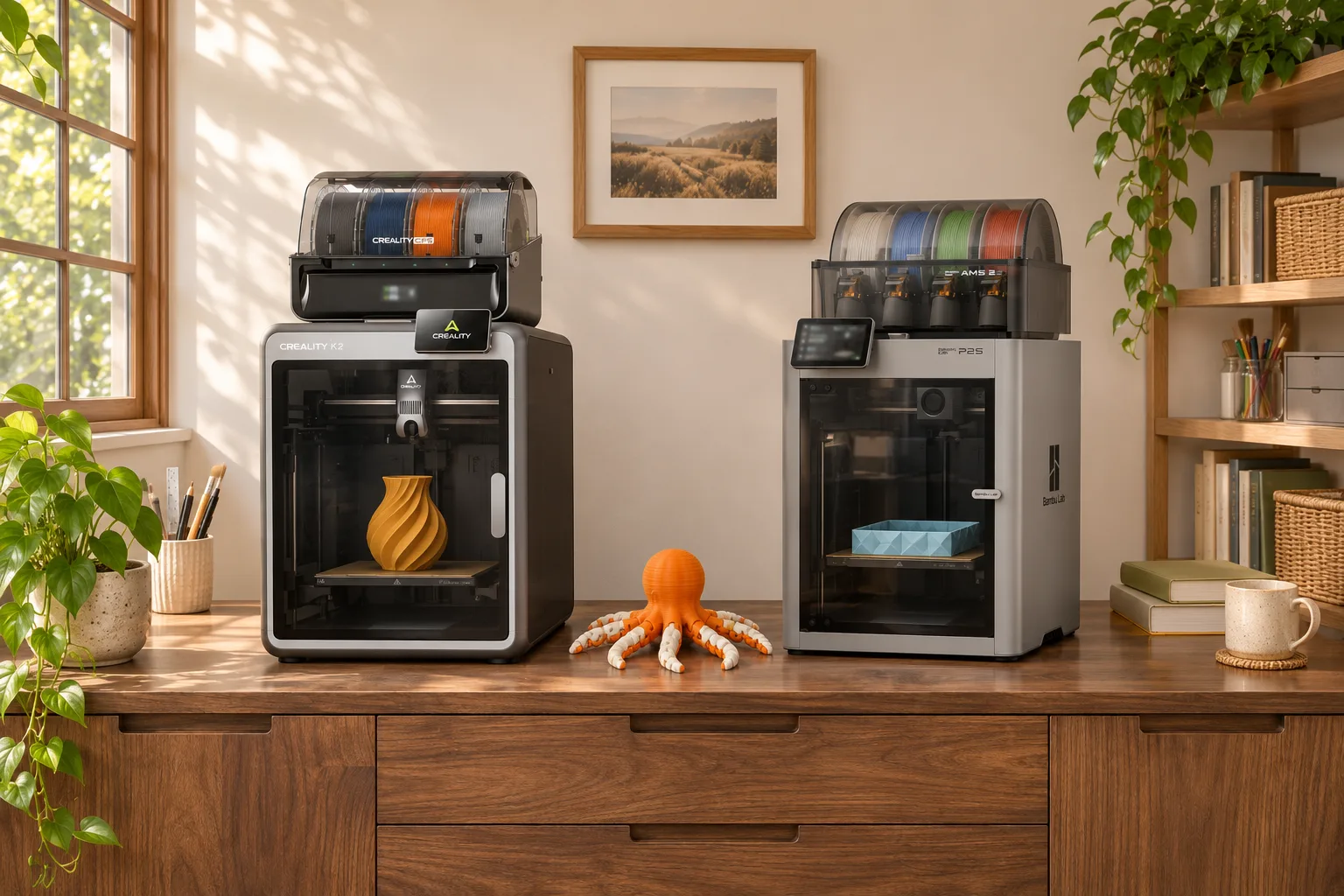
Yes, at $449 the Creality K2 Combo is worth it: an enclosed 260 mm CoreXY with four colors in the box and room for 16. It has no chamber heater and its CFS doesn't dry filament, so the $649 Bambu P2S Combo is easier.

Read review

Review

Creality K2 Plus Combo review

Worth it if you need size: at $1,044 the Creality K2 Plus Combo gets you a 350 mm cube, a 60 °C heated chamber, a 350 °C nozzle and four colors. It's big, heavy and wasteful in multicolor, and most people don't need it.

Read review

Review

Creality SPARKX i7 review

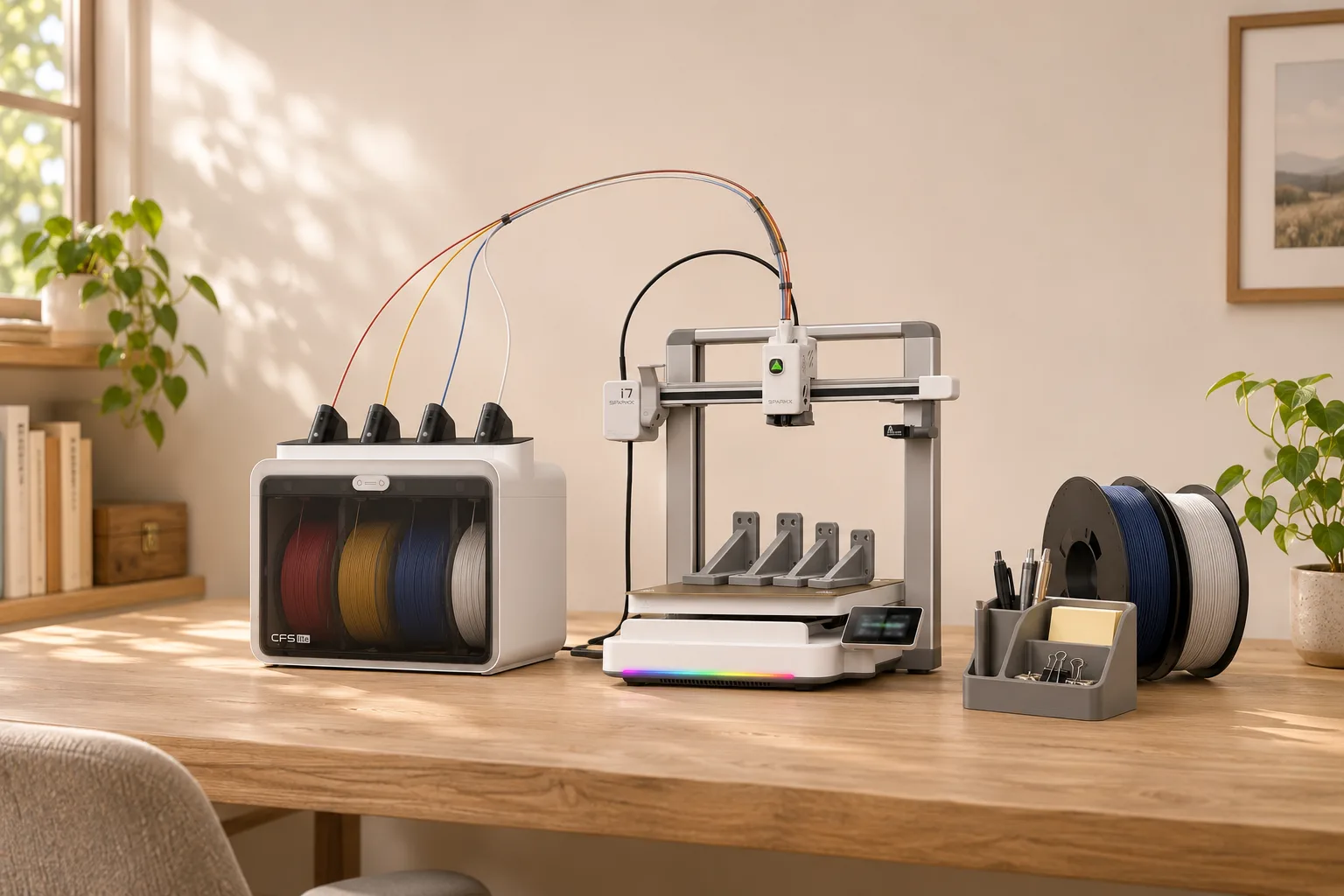
Yes, the SPARKX i7 is a good cheap multicolor printer: $319 with a four-color CFS Lite, a 260 mm bed, full self-calibration and an AI camera. It's an open bed slinger for PLA and PETG, and every color change wastes filament.

Read review

Review

Elegoo Centauri 2 review

Yes, the Elegoo Centauri 2 is a good 3D printer, and it is a real model: an open-frame sibling of the Centauri Carbon 2 that Elegoo announced in June 2026. At $244, or $284 with four-color CANVAS, it's the cheapest full-size CoreXY worth buying for PLA, PETG and TPU. It has no enclosure, camera or ABS support.

Read review

Comparison

Elegoo Mars 5 Ultra vs Saturn 4 Ultra 16K: which should you buy?

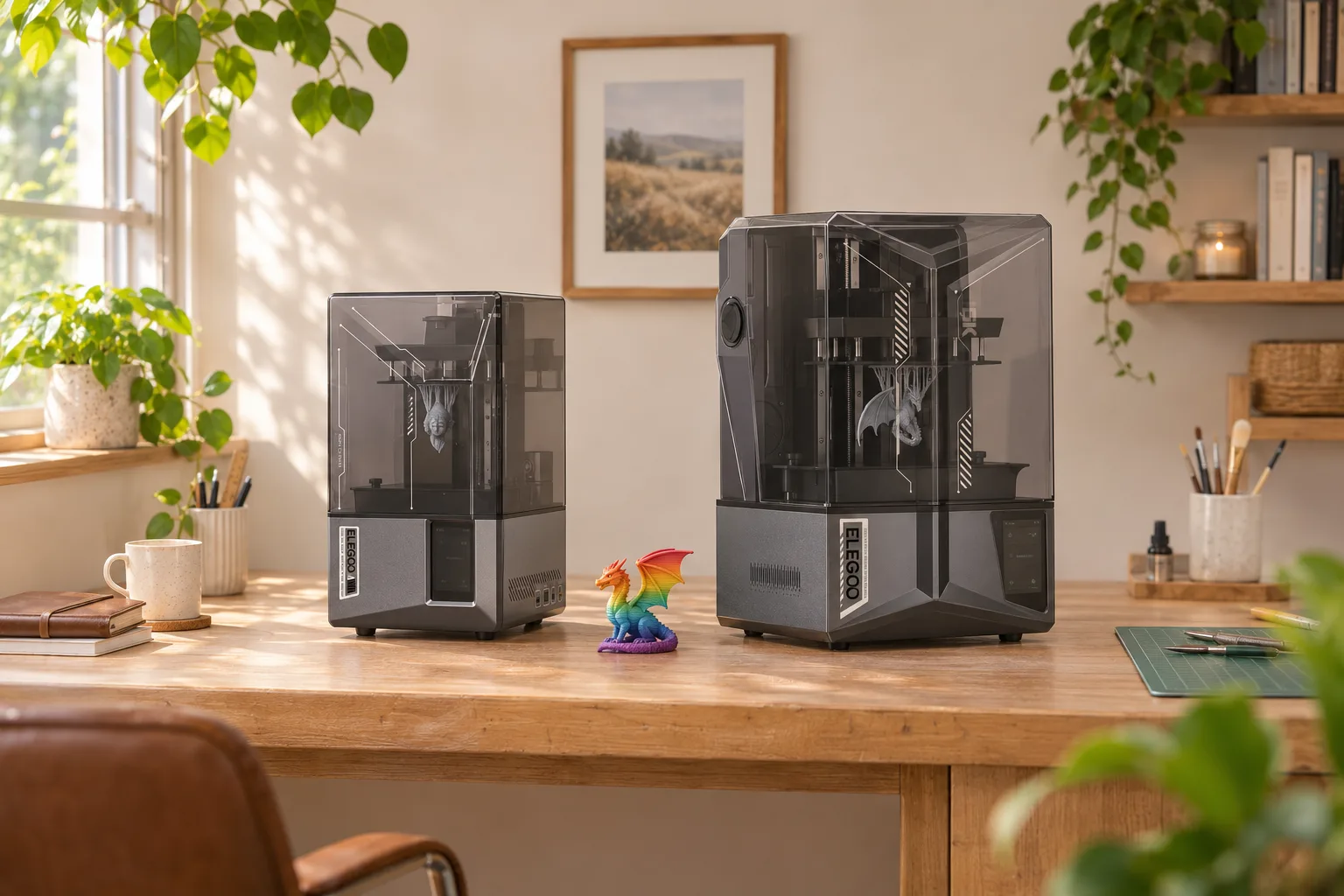
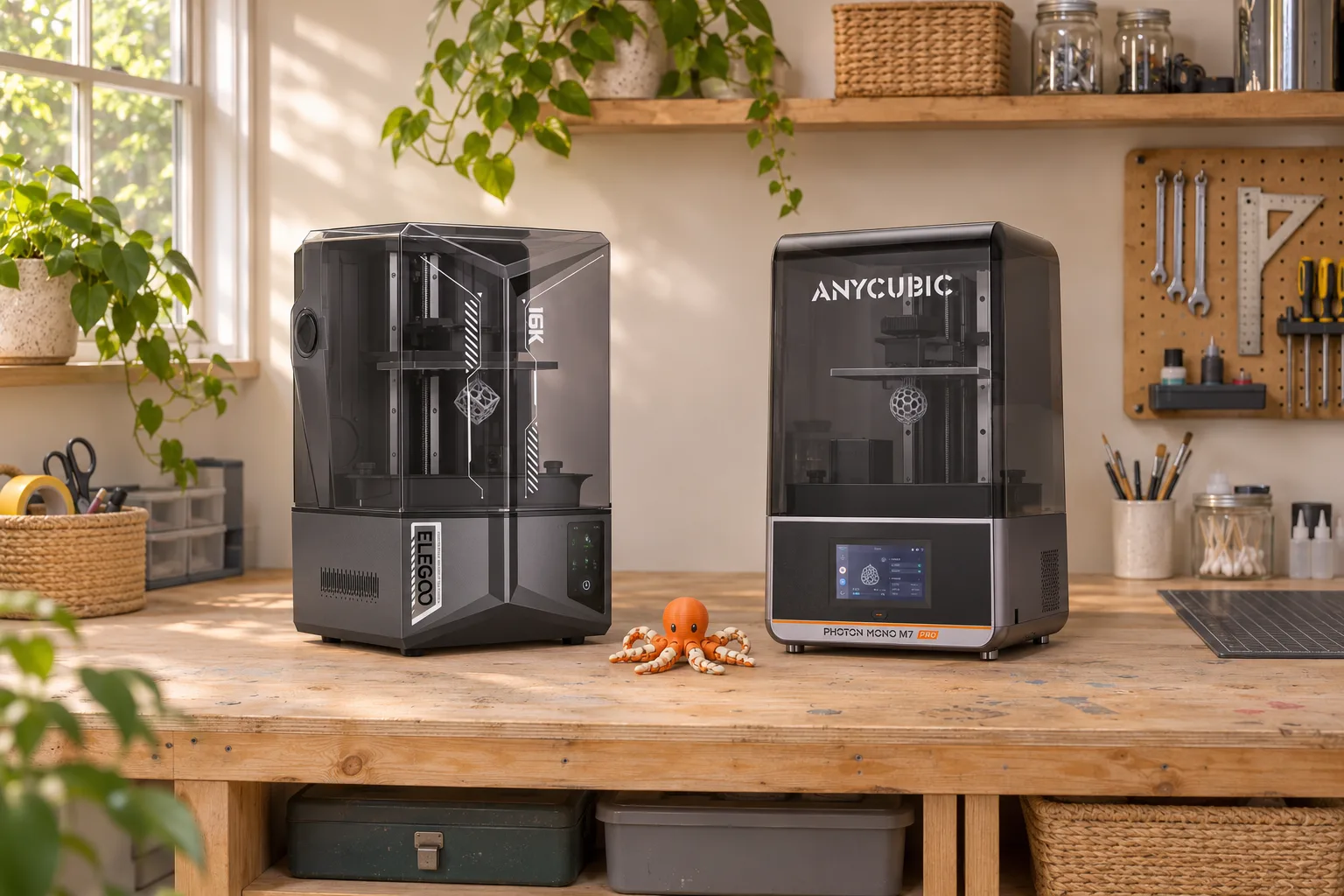
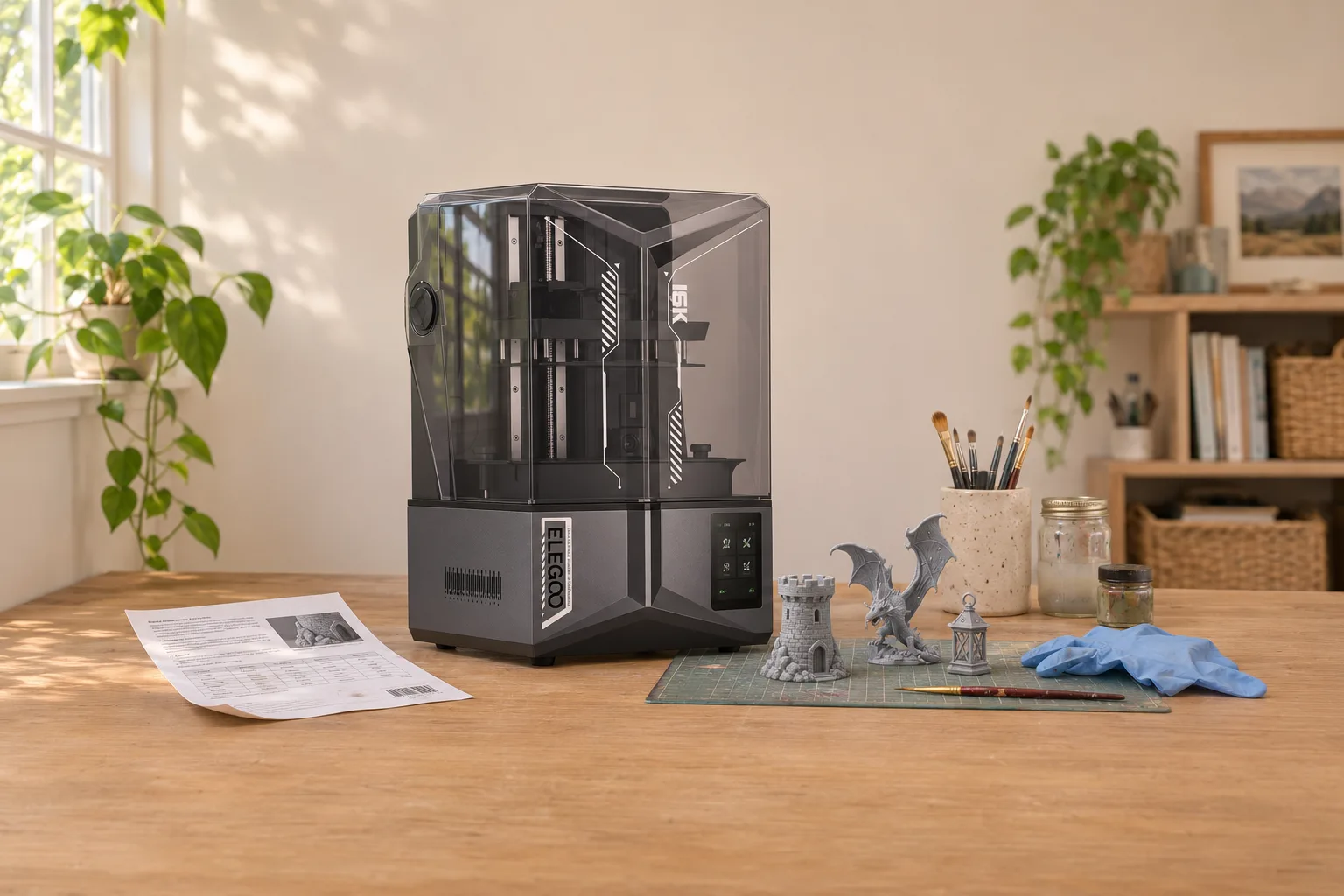
Buy the Elegoo Saturn 4 Ultra 16K ($399 with Elegoo's code) if you can: it prints 2.8 times the volume with slightly finer pixels and a heated vat, for $140 more. The Mars 5 Ultra ($259) is a good resin printer in its own right, with 18 µm pixels, tilt release and a camera, if you print small minis and want to spend less.

Read story

Review

Flashforge AD5X review

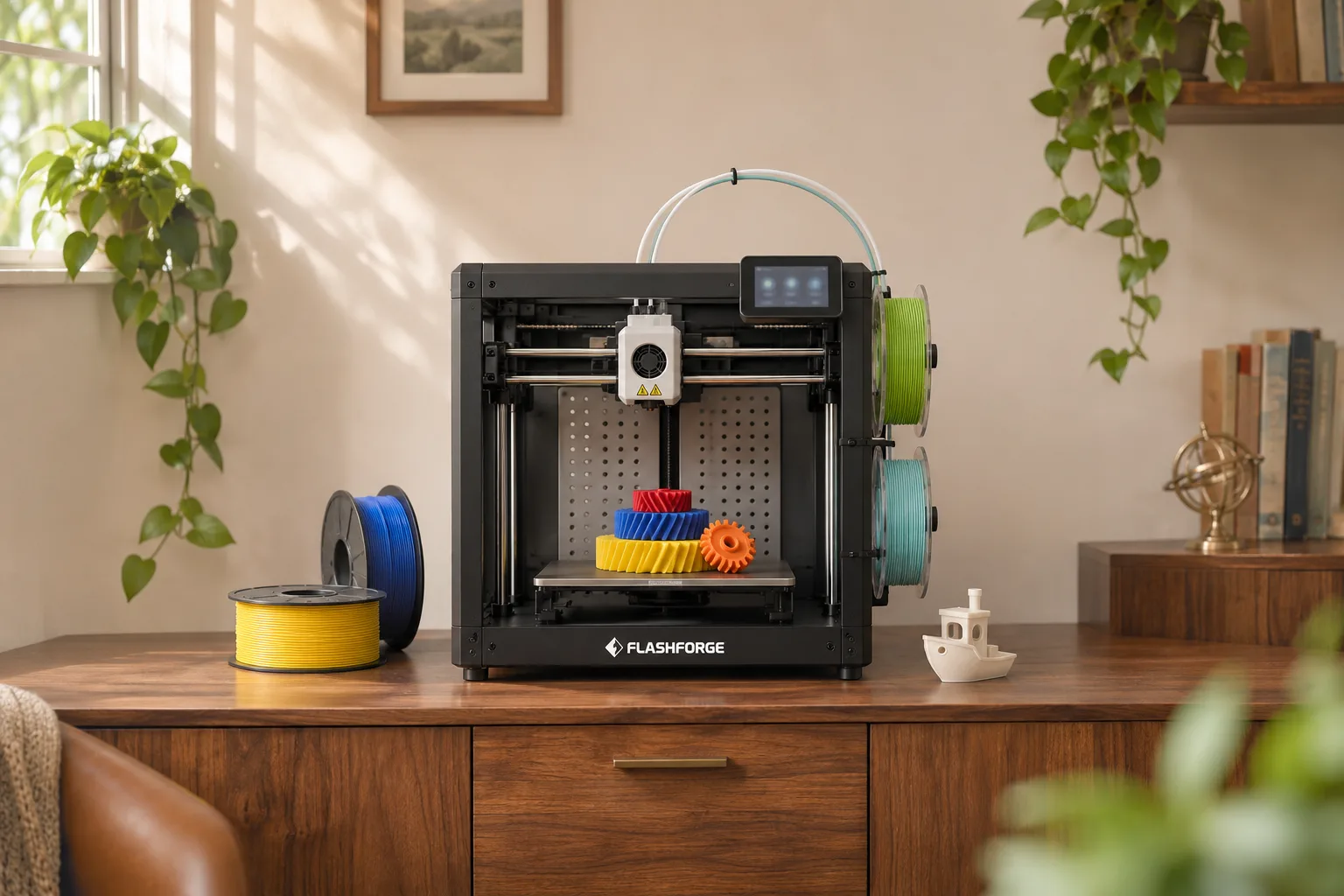
The Flashforge AD5X is worth it at $329 if you want four-color printing on a fast CoreXY frame for the least money. For most beginners, the Bambu A1 Combo ($359) is the better buy: a 58% bigger build volume and a camera for $30 more.

Read review

How to

Is Bambu Lab filament worth the price?

In bulk on a Bambu printer, yes: PLA Basic refills were $9.74 each at 10 or more in November 2026, cheaper than one roll of most budget brands. One roll at a time ($14.99 refill, $20.99 on Amazon), you pay about $3 extra for RFID convenience.

Read story

How to

Is PLA biodegradable?

Only in industrial composting. The EN 13432 and ASTM D6400 standards test at 58 °C and require 90% of the carbon to become CO2 within six months. In soil, home compost or seawater, PLA barely breaks down.

Read story

How to

Textured vs smooth PEI, and when you need glue stick

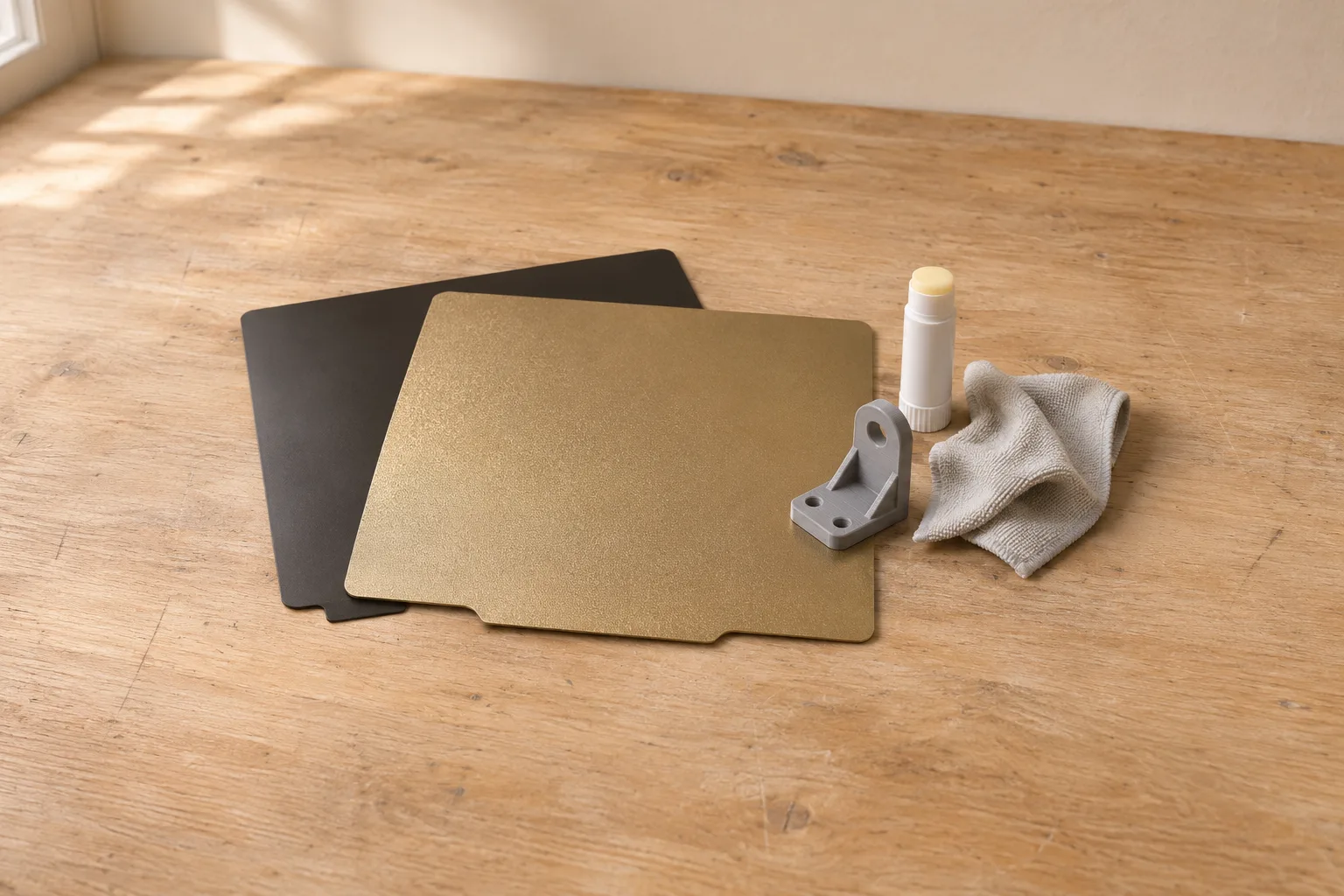
Textured PEI is the better plate for most people: Bambu ships it as standard, and PLA, PETG and TPU stick to it without glue. Smooth PEI gives a smoother underside but needs glue for anything other than PLA, and Bambu has stopped selling it for every printer except the A1 mini.

Read story

How to

PLA vs PLA+: is PLA+ better, and is silk PLA worth it?

PLA+ is PLA with additives that make it tougher, not more heat-resistant. In Polymaker's own tests its PLA Pro absorbs about 5 times the impact of its plain PLA (17.1 vs 3.3 kJ/m²) with the same 58 °C heat deflection. Silk PLA is a looks choice that costs $1 to $5 more.

Read story

Review

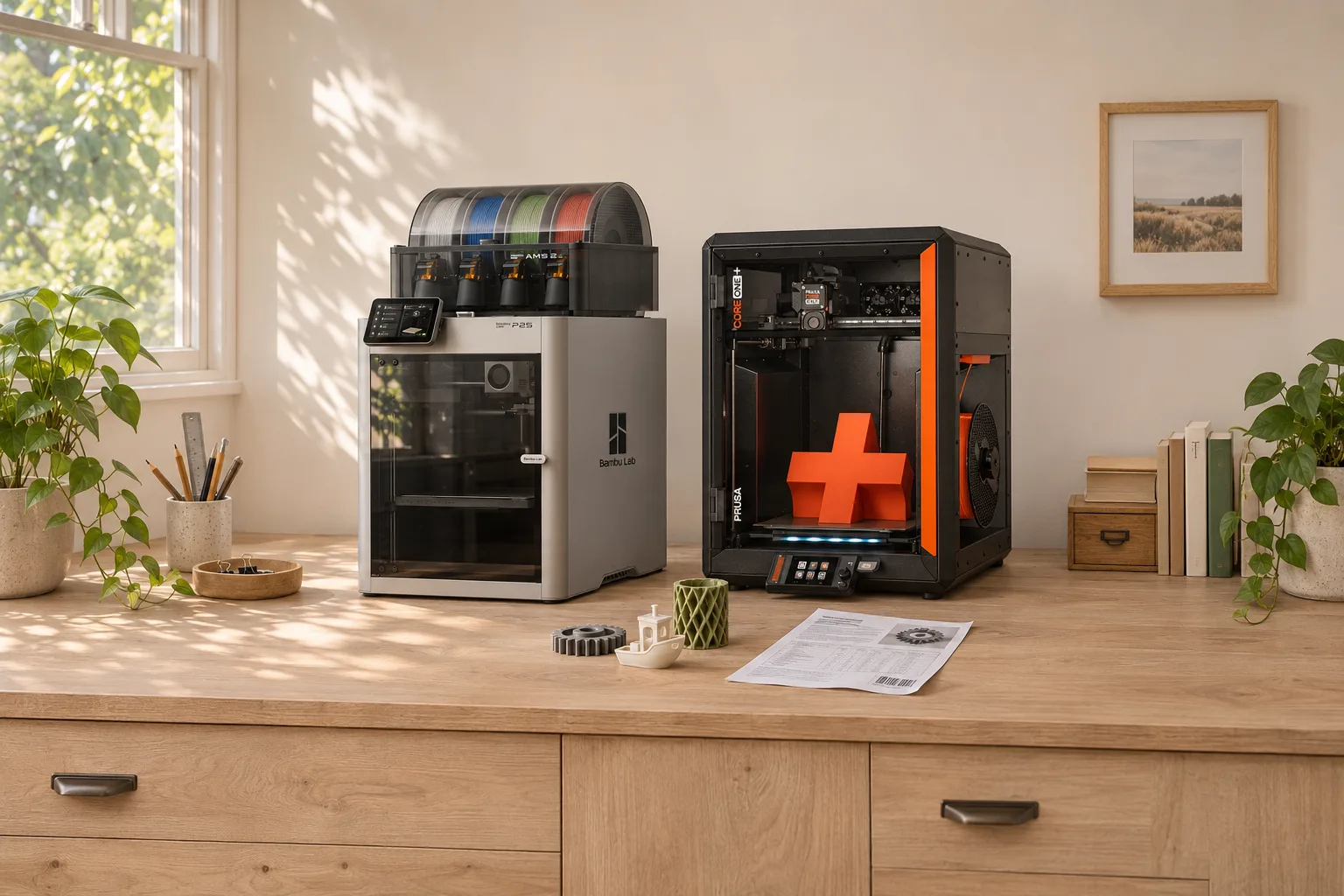
Prusa CORE One+ review

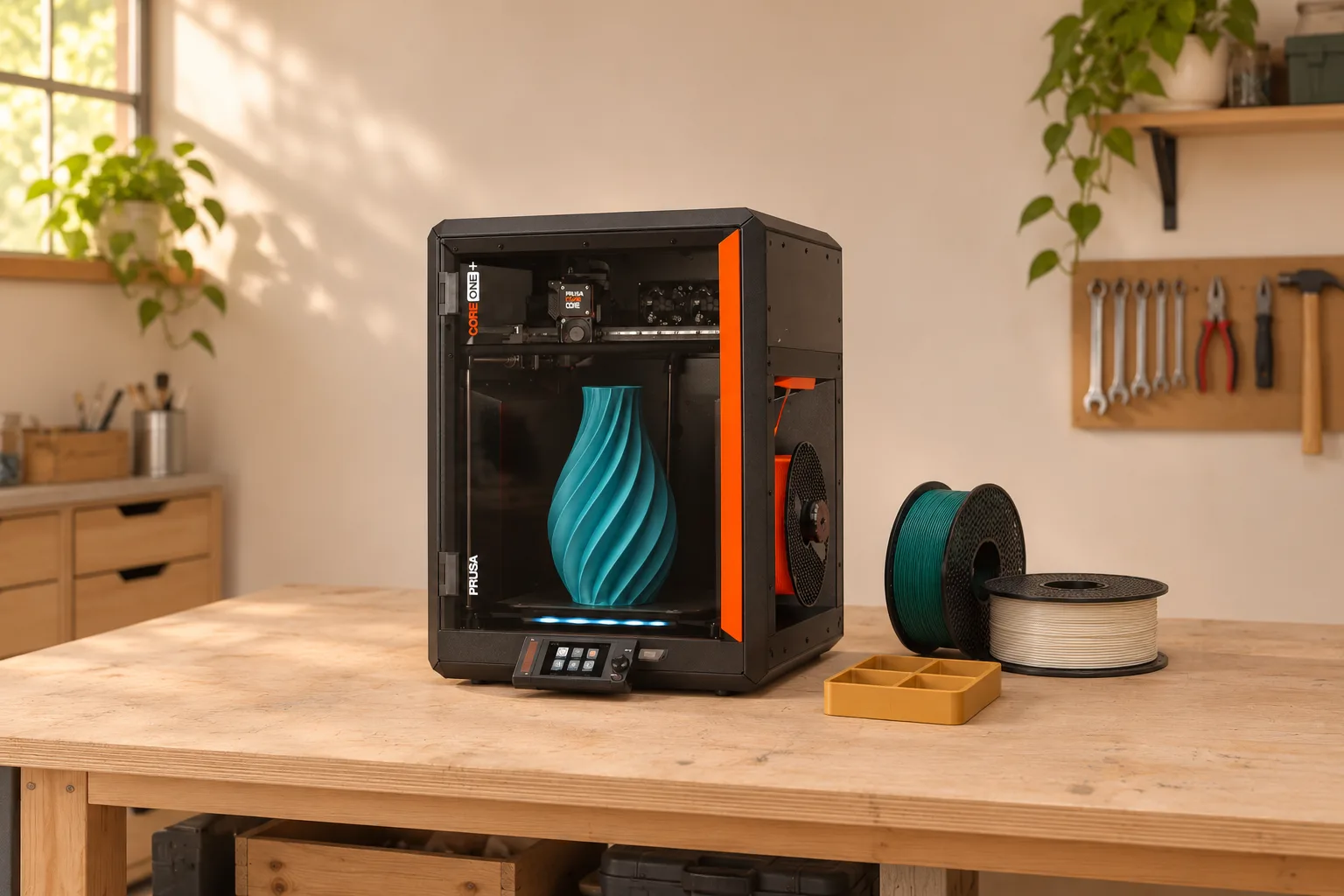
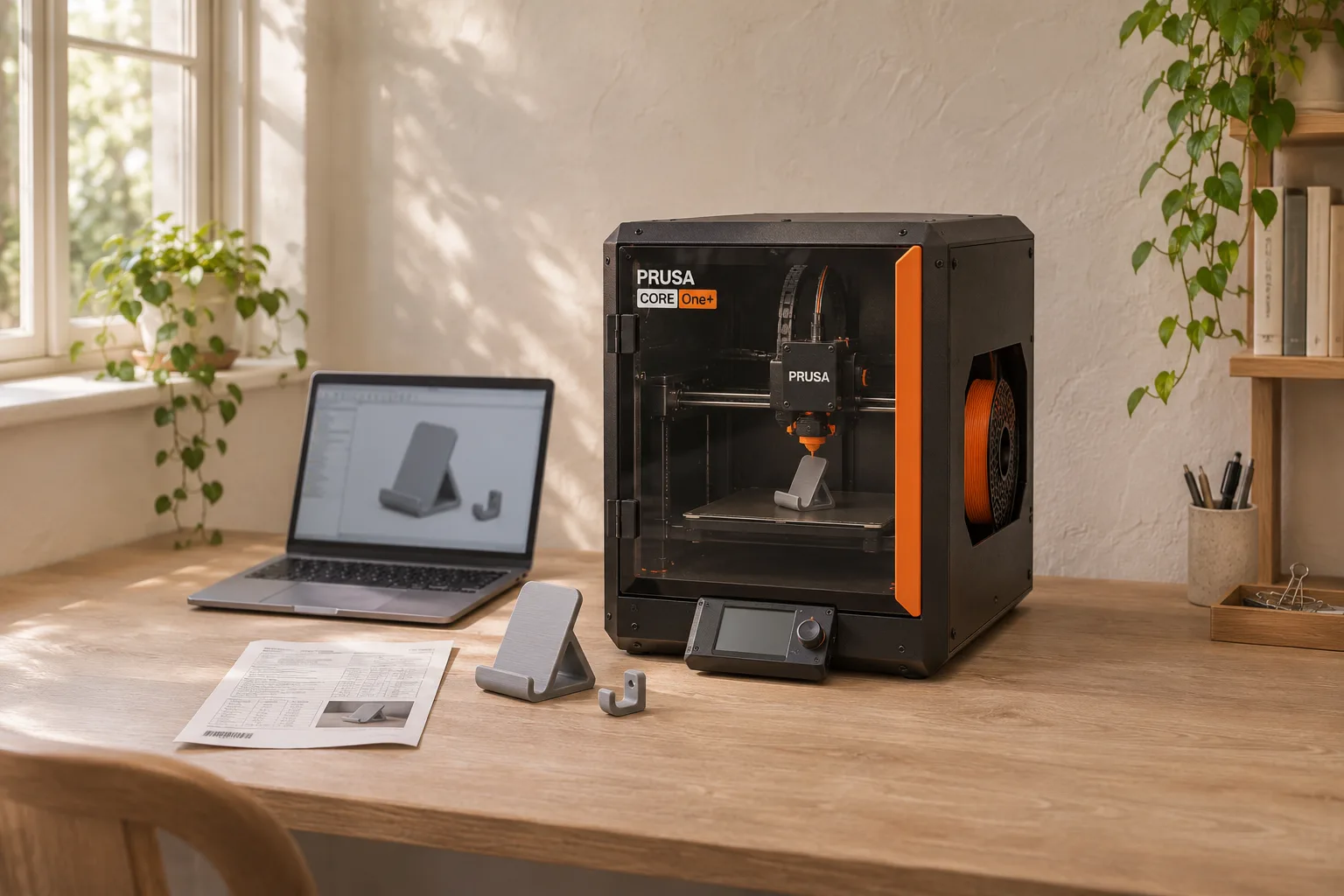
The Prusa CORE One+ (Gen 2) is worth it if you want an enclosed printer you can repair, upgrade and run offline for years: $1,299 assembled or $999 as a kit. Most homes get more for less from the $649 Bambu P2S Combo.

Read review

Comparison

Prusa CORE One+ vs Bambu Lab P2S: which is better?

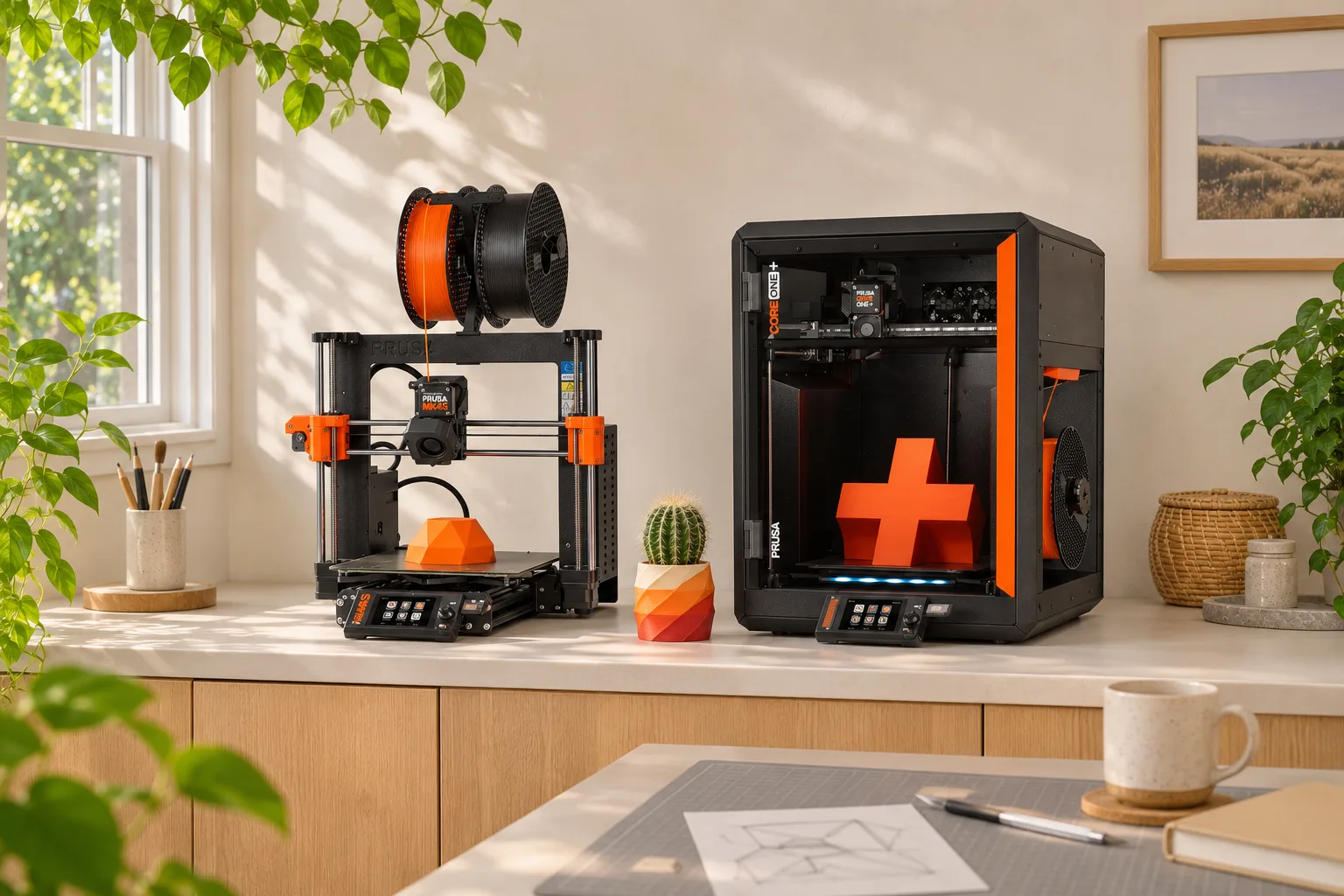
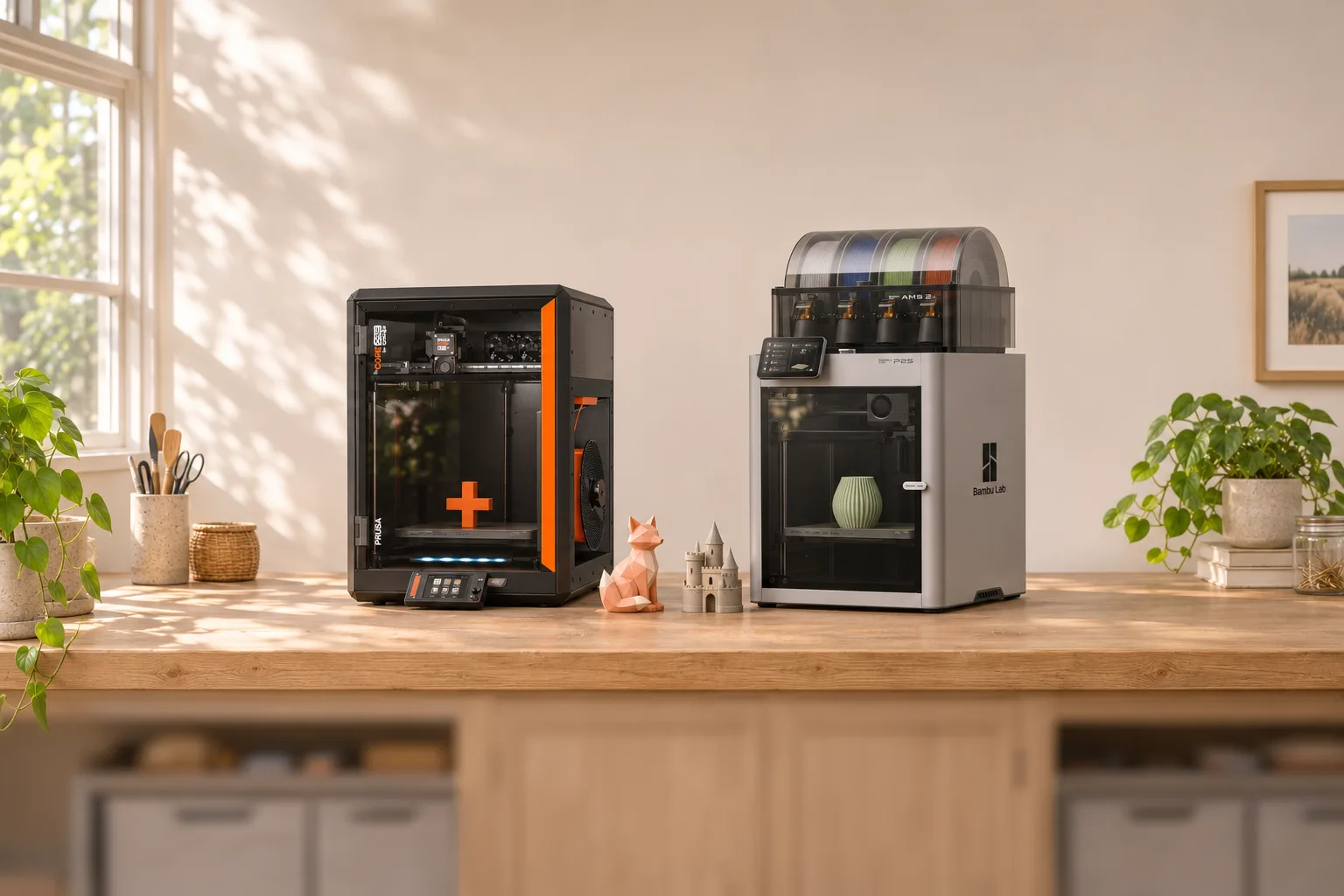
The Bambu Lab P2S is better for most people: the $649 Combo includes four colors, a camera and AI monitoring, for half the $1,299 price of an assembled Prusa CORE One+. The CORE One+ is better if you want a heated chamber, Ethernet, repairability and fully offline printing.

Read story

Review

Prusa MK4S review

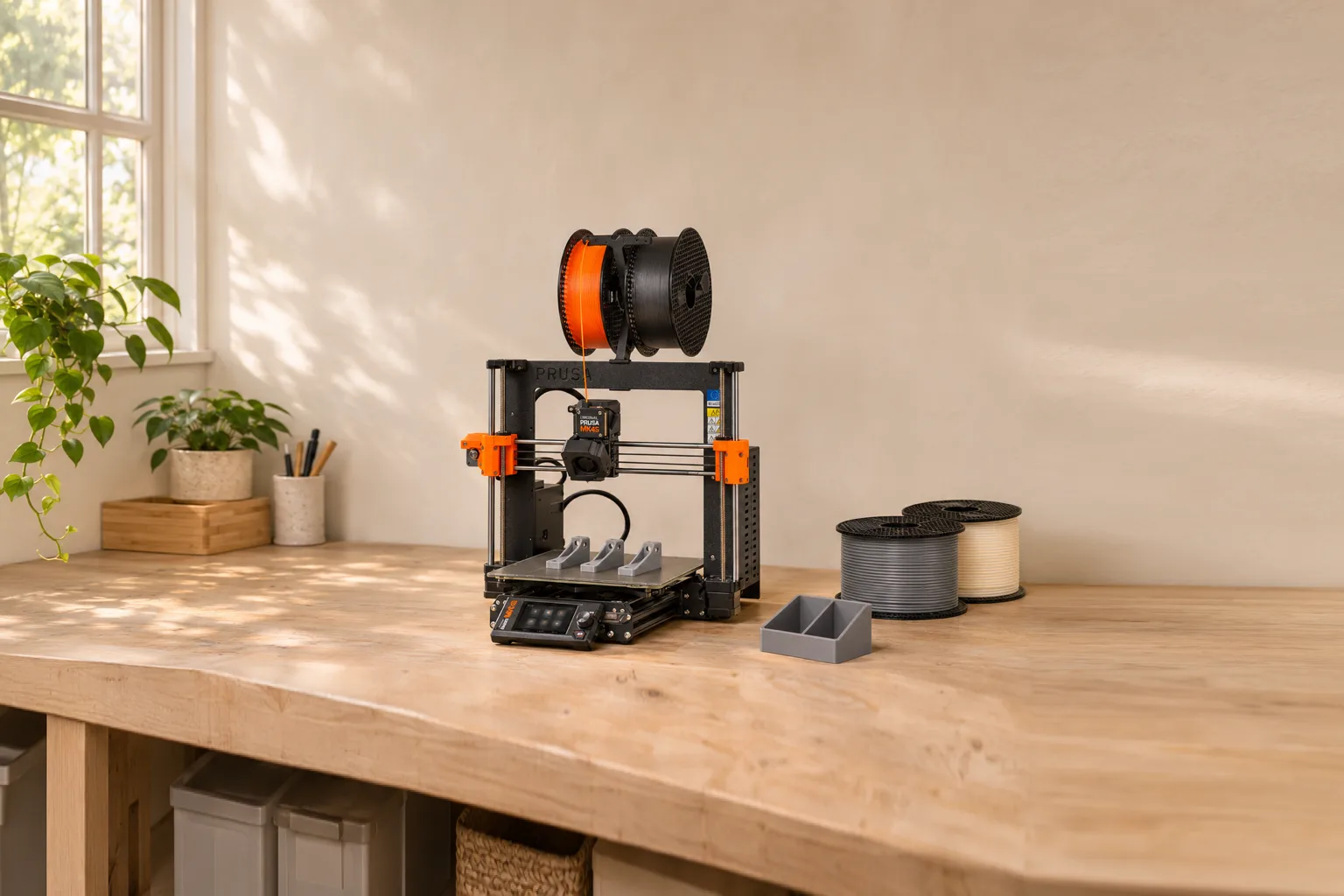
The Prusa MK4S is worth it as a $709 kit for PLA and PETG printing on an open, repairable printer that runs offline. At $999 assembled, the enclosed $1,299 CORE One+ is the better Prusa for most buyers.

Read review

Comparison

Prusa MK4S vs CORE One+: which should you buy?

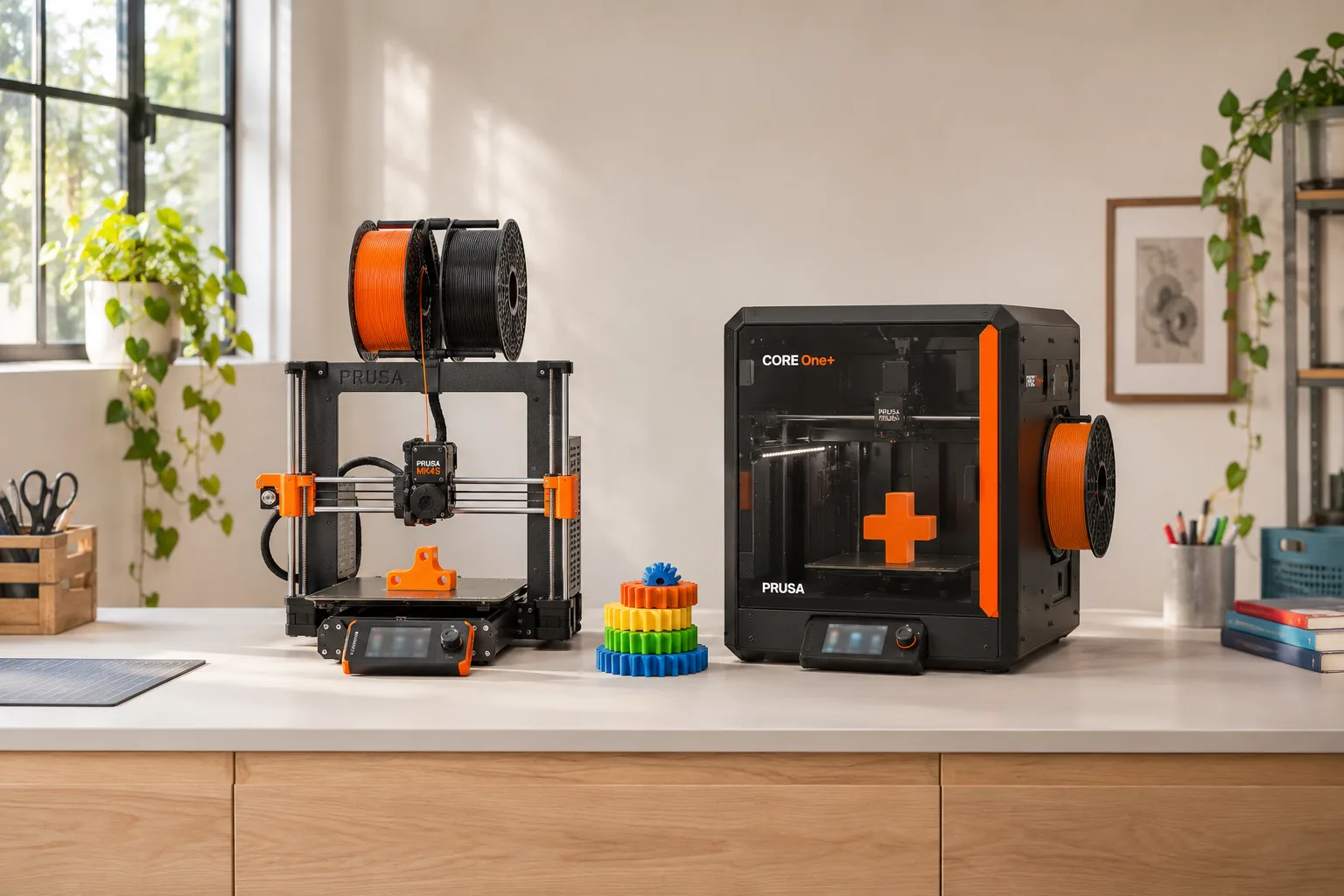
Buy the Prusa CORE One+ ($1,299 assembled) unless you'll only print PLA and PETG: for $300 more than the $999 MK4S it adds an enclosure, a 55 °C chamber, CoreXY speed and the INDX upgrade path. The $709 MK4S kit is the budget Prusa.

Read story

Review

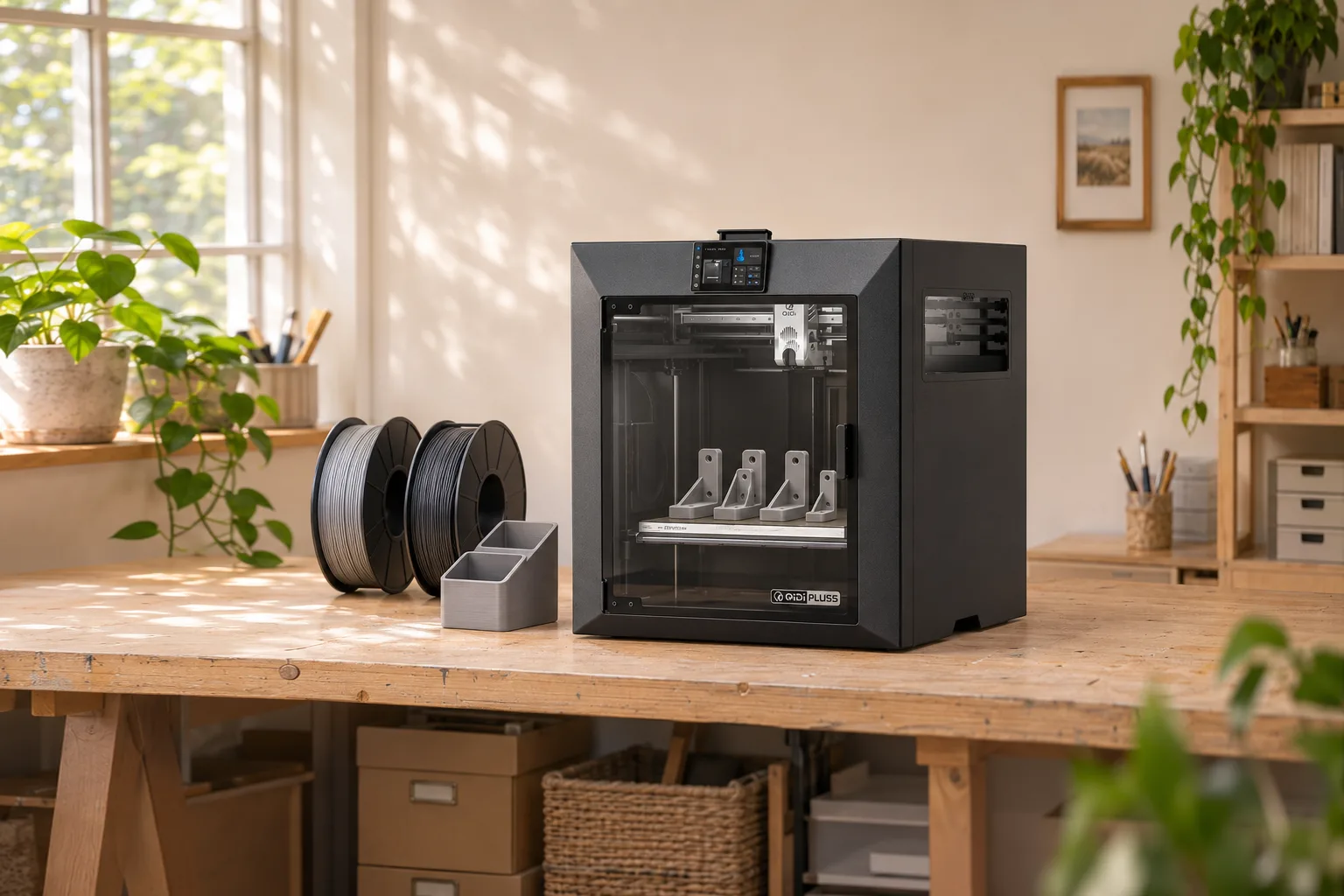
Qidi Plus5 review

The Qidi Plus5 is a good 3D printer, and the best value for engineering filament: a 320 x 320 x 300 mm build volume, a 65 °C heated chamber and a 370 °C nozzle for $699. It replaces the discontinued Plus4. Multicolor needs the QIDI Box ($849 Combo).

Read review

Comparison

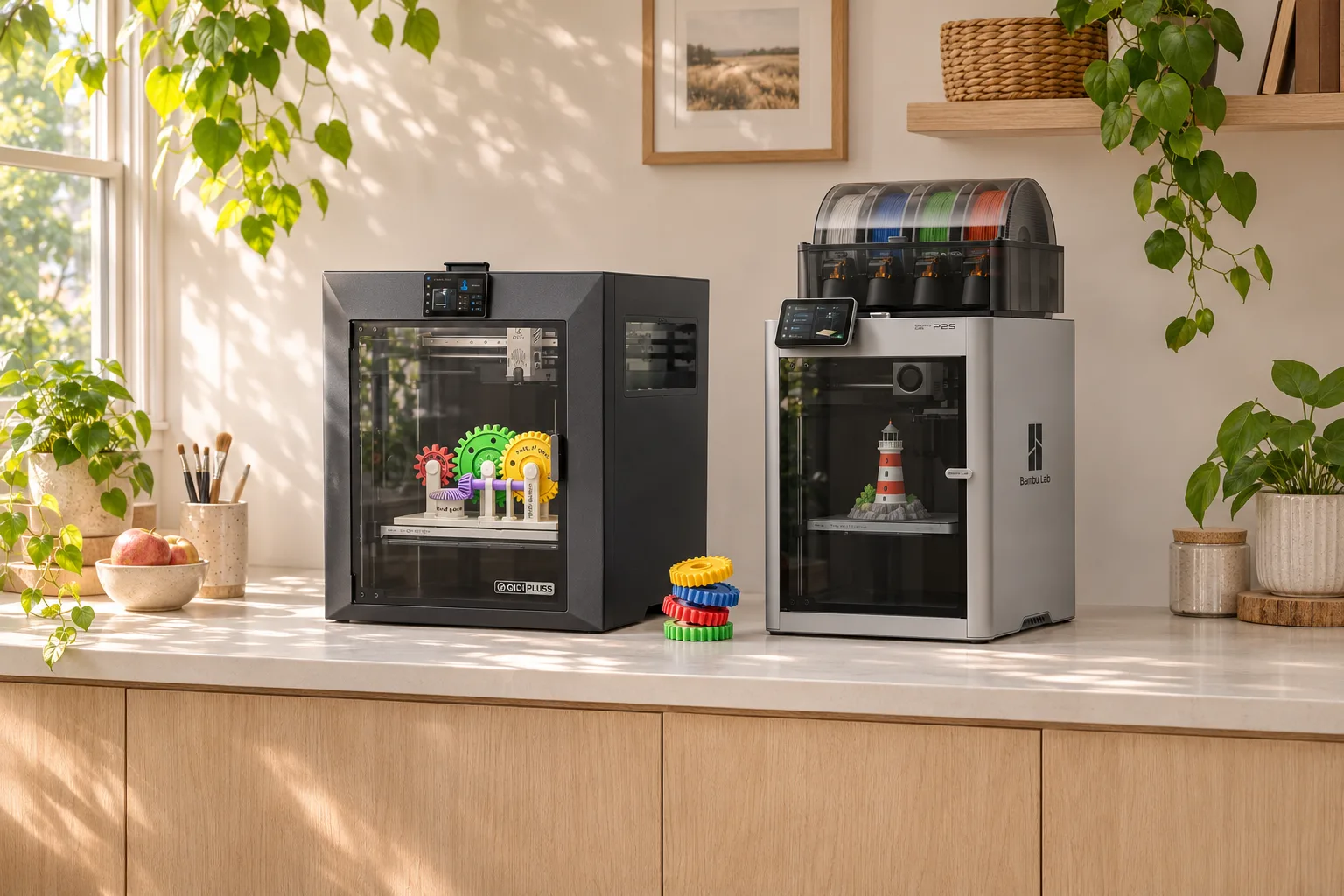
Qidi Plus5 vs Bambu Lab P2S: which is better?

The Qidi Plus5 ($699) is better for engineering filament and big parts: an active 65 °C chamber, a 370 °C nozzle and 83% more build volume. The Bambu P2S ($449, or $649 with four colors) is better for everyday PLA and PETG, with a 2-year warranty and Bambu's ecosystem.

Read story

How to

How much does resin 3D printing cost per print?

About $0.24 to $0.39 for a small 28–32 mm miniature on a full plate of 10, by our estimate: $0.07 to $0.21 of resin plus about $0.17 of alcohol, film, screen wear, gloves and towels. A big figure printed alone costs about $2, because the plate's fixed costs land on one model.

Read story

How to

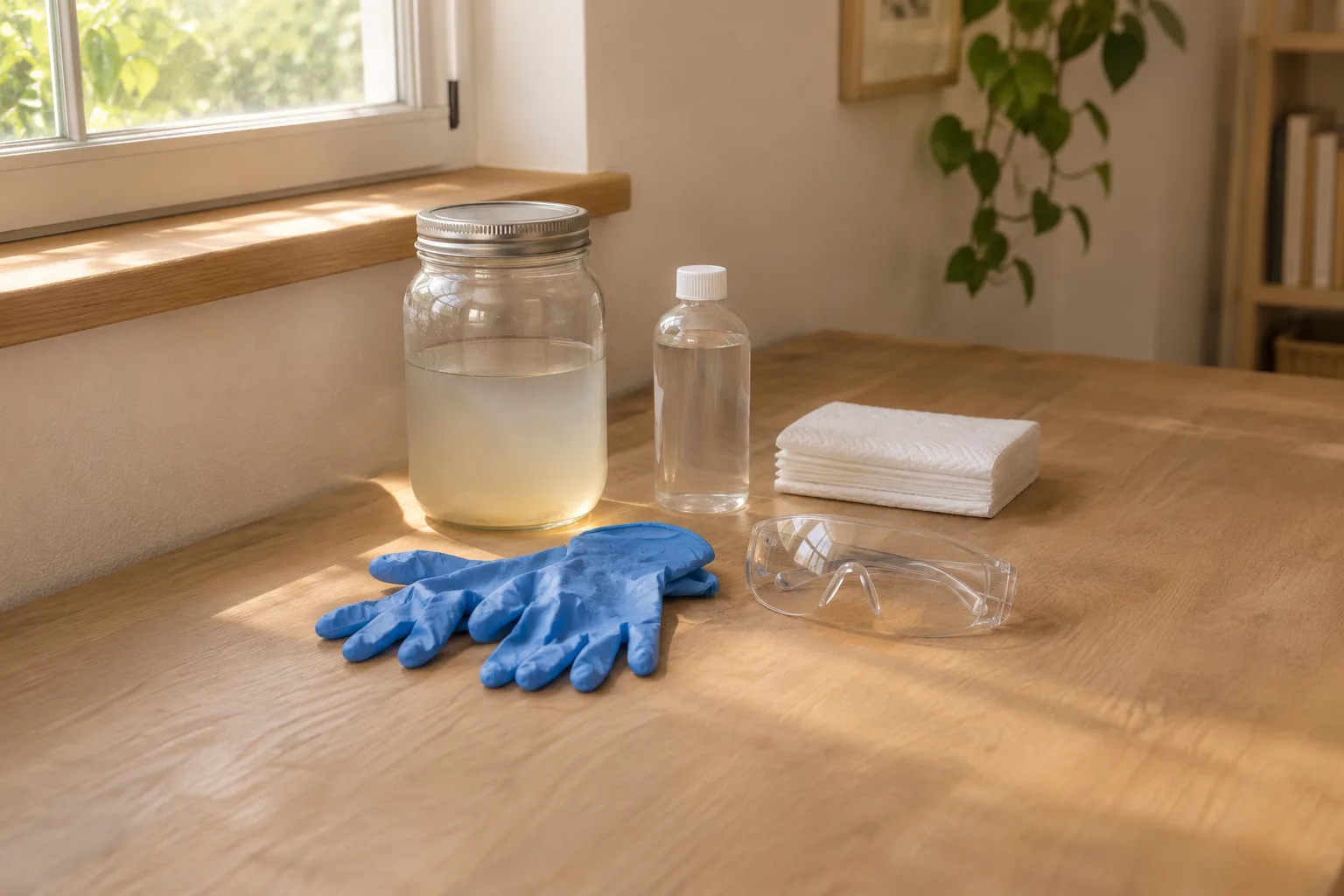
Resin safety: do you need IPA, and how do you dispose of resin?

Cure resin waste solid under UV light or sunlight before it goes in the trash, and never pour liquid resin, used alcohol or wash water down a drain. Most resins need 90–95% isopropyl alcohol, a highly flammable liquid with a 12 °C flash point; water-washable resin and ethanol are the alternatives makers name.

Read story

How to

Can you sell 3D printed items on Etsy? Rules, licenses and fees

Yes, if you designed the item yourself. Since June 10, 2025, Etsy's rules say 3D printed goods "must be produced based on a seller's original design." A commercial license for someone else's model doesn't meet that, by our reading. Fees take about 12.5% of a $15 sale, or 27.5% if it came from an Offsite Ad.

Read story

Review

Sovol SV08 review

The Sovol SV08 is worth it if you want a big, fast, open-source printer for little money: 350 x 350 x 345 mm and Voron 2.4-style hardware for $529, about $12.50 per liter of build volume. It's open-frame with no multicolor. Sovol no longer sells the SV06 new.

Read review

How to

How to start a 3D printing business from home

Start with one Bambu Lab A1 Combo ($359 in November 2026) and your own designs: about $527 gets the printer, 10 kg of PLA, a spare plate, tools, boxes and 20 Etsy listings, by our estimate. Then sort out the structure, taxes and insurance, and add printers only when orders back up. Print farms mostly run Bambu and Prusa machines.

Read story
Review

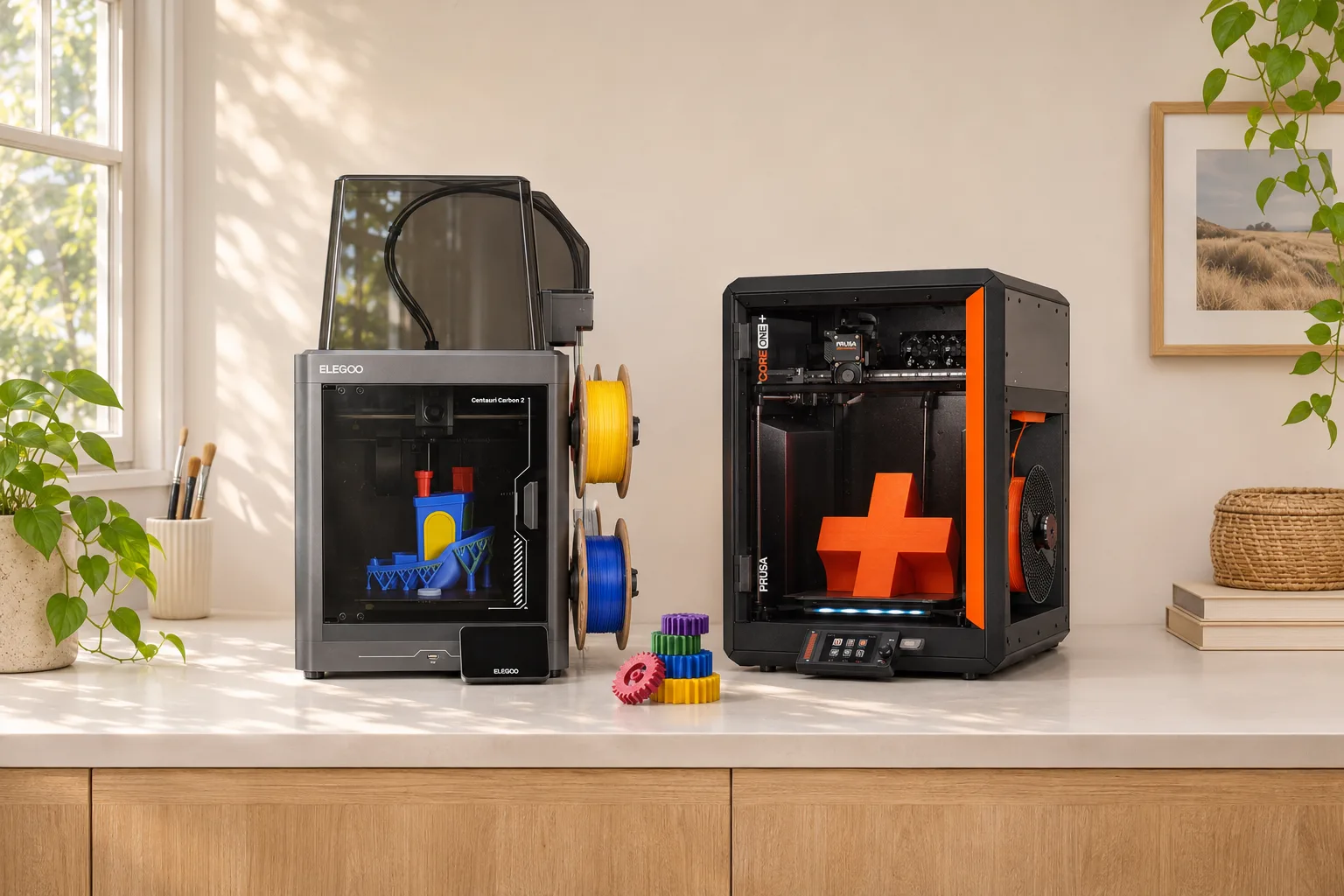
Sunlu FilaDryer S4 review

The Sunlu S4 is worth it at $99.44 on Amazon if you dry PLA, PETG and TPU: four spools at up to 70 °C for about $25 a spool slot. For nylon, PC or ABS its 70 °C limit falls short, so buy an 85 °C dryer instead.

Read review

How to

Is water-washable resin any good?

Yes, if you want to skip flammable alcohol: it prints fine detail and rinses in water. But the wash water can't go down the drain, and by Phrozen's own figures its water-washable resin takes impacts far worse (1.30–3.04 J/m notched Izod) than its tough or 8K resins.

Read story
How to

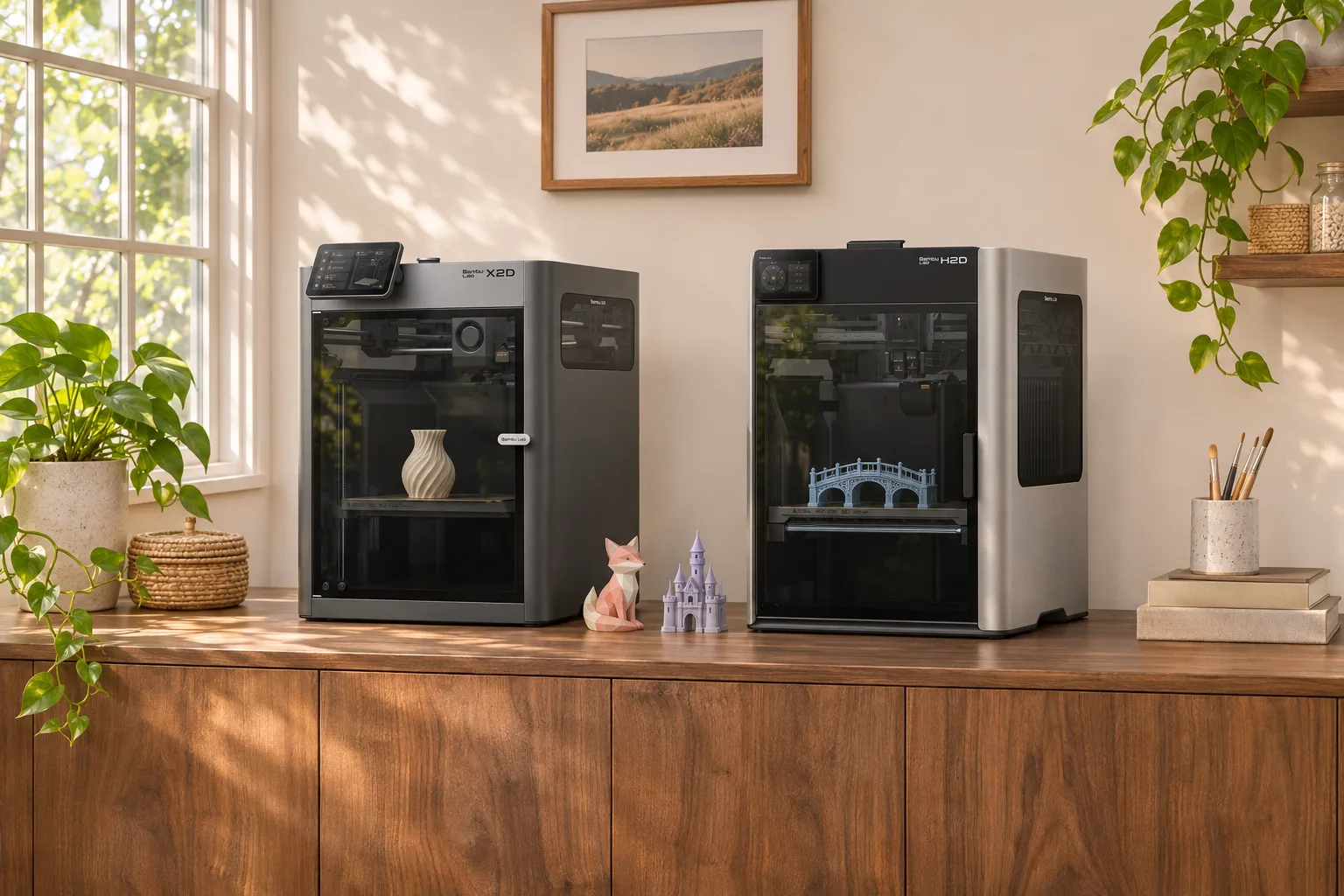
Which 3D printers should you avoid buying?

Avoid old kit printers whose firmware may lack thermal runaway protection, printers without automatic bed leveling, and end-of-line models that aren't deeply discounted. Only one 3D printer has a US recall, the 2024 Bambu Lab A1, and it was fixed.

Read story
How to

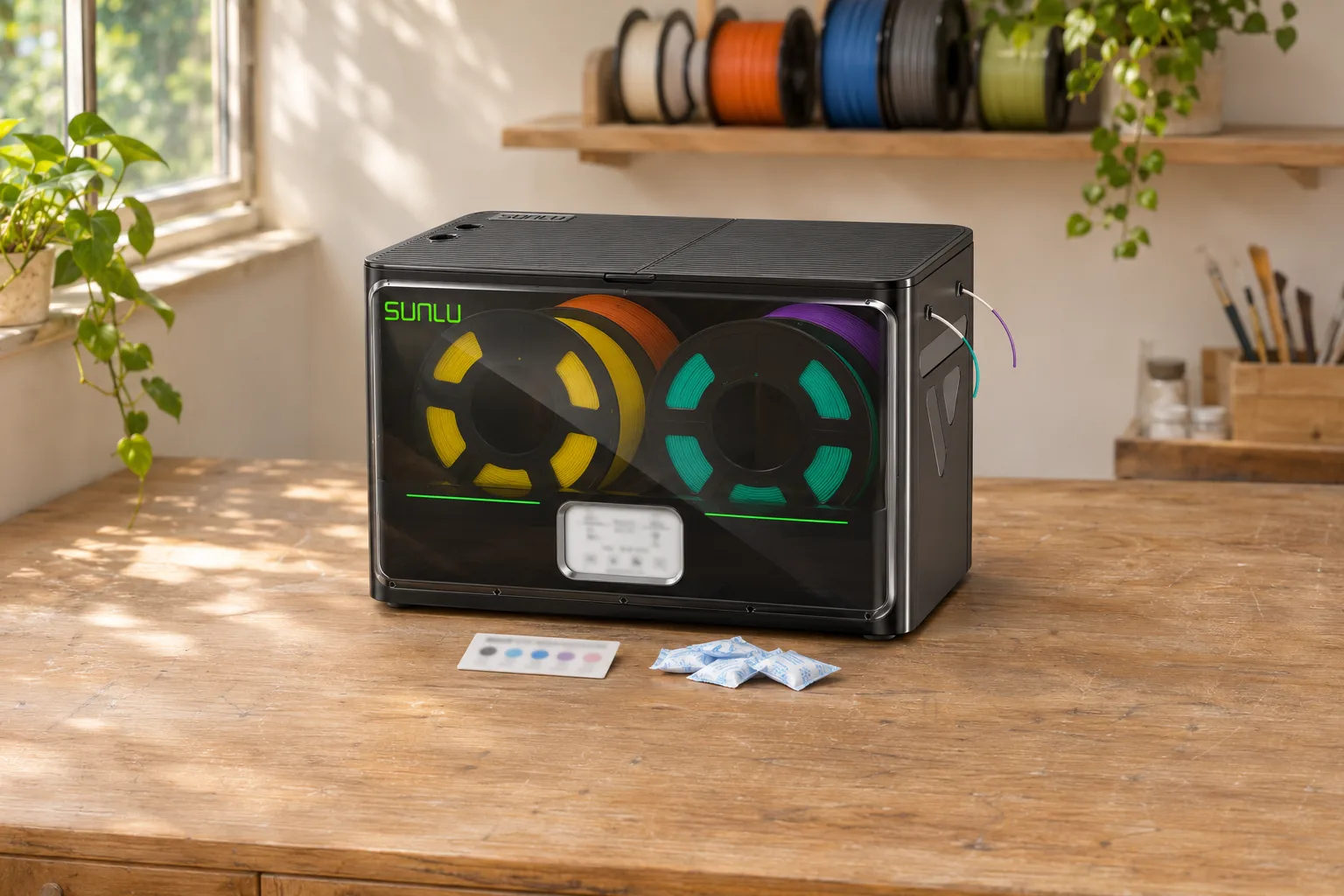
Are 3D printers safe to use at home?

Yes, with a few precautions. Printers release ultrafine particles and fumes, most with ABS and least with PLA, so print PLA in a ventilated room away from where you sit, and don't hover over the printer.

Read story
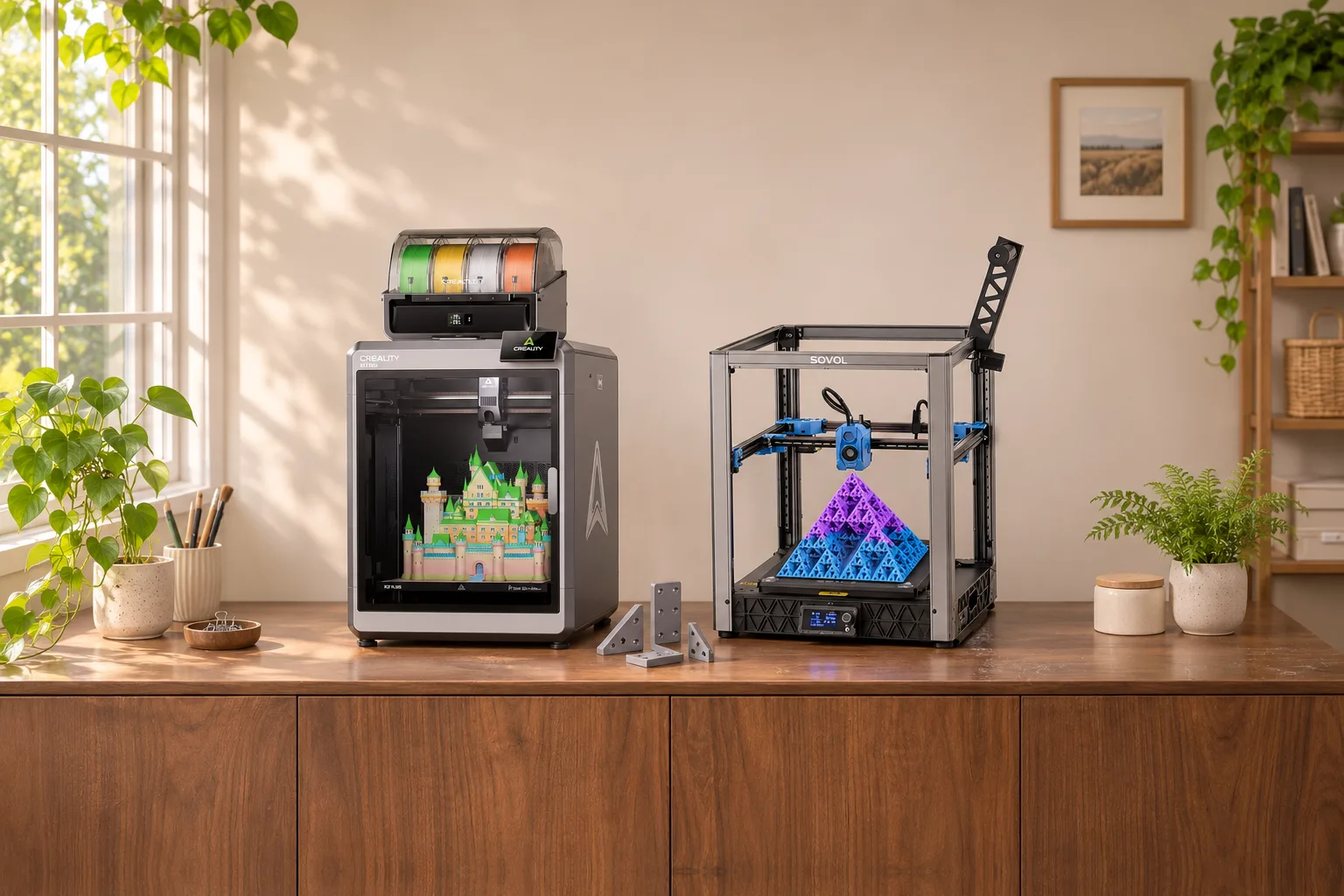
Review

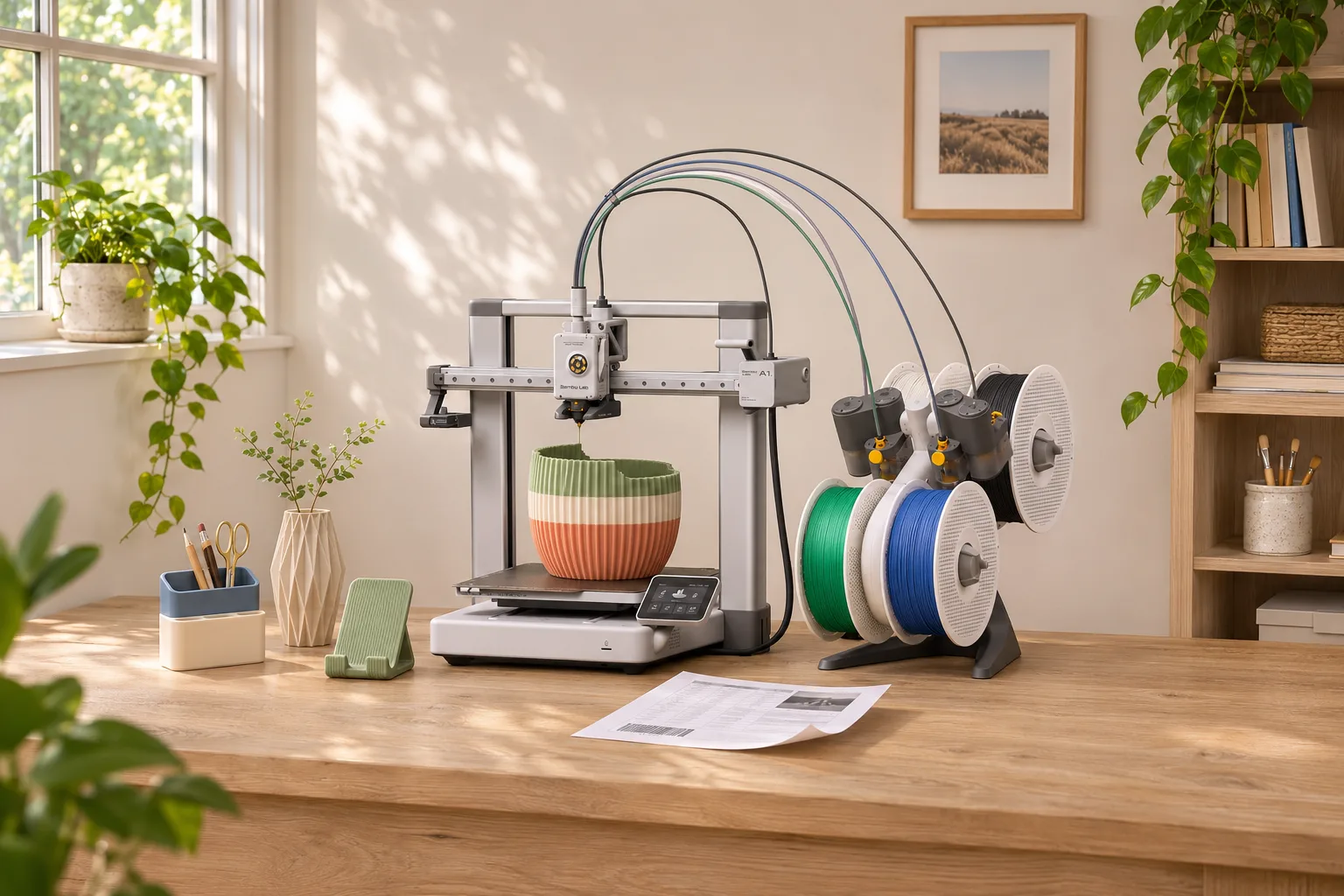
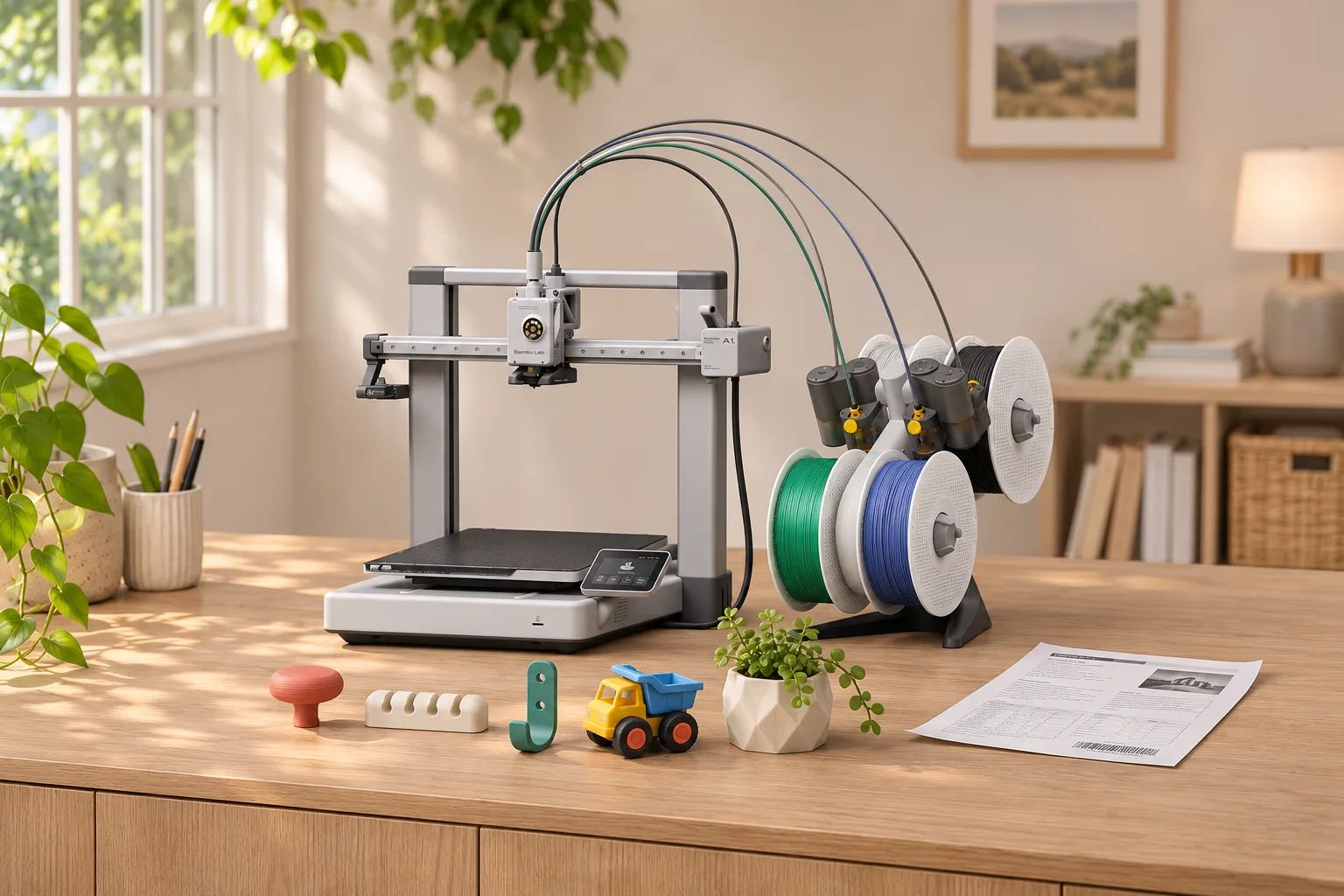
Bambu Lab A1 review

The A1 is the 3D printer most beginners should buy: full-size, fast, fully self-calibrating and $259. Its limits are an open frame and a 2024 recall that's long since fixed.

Read review

Review

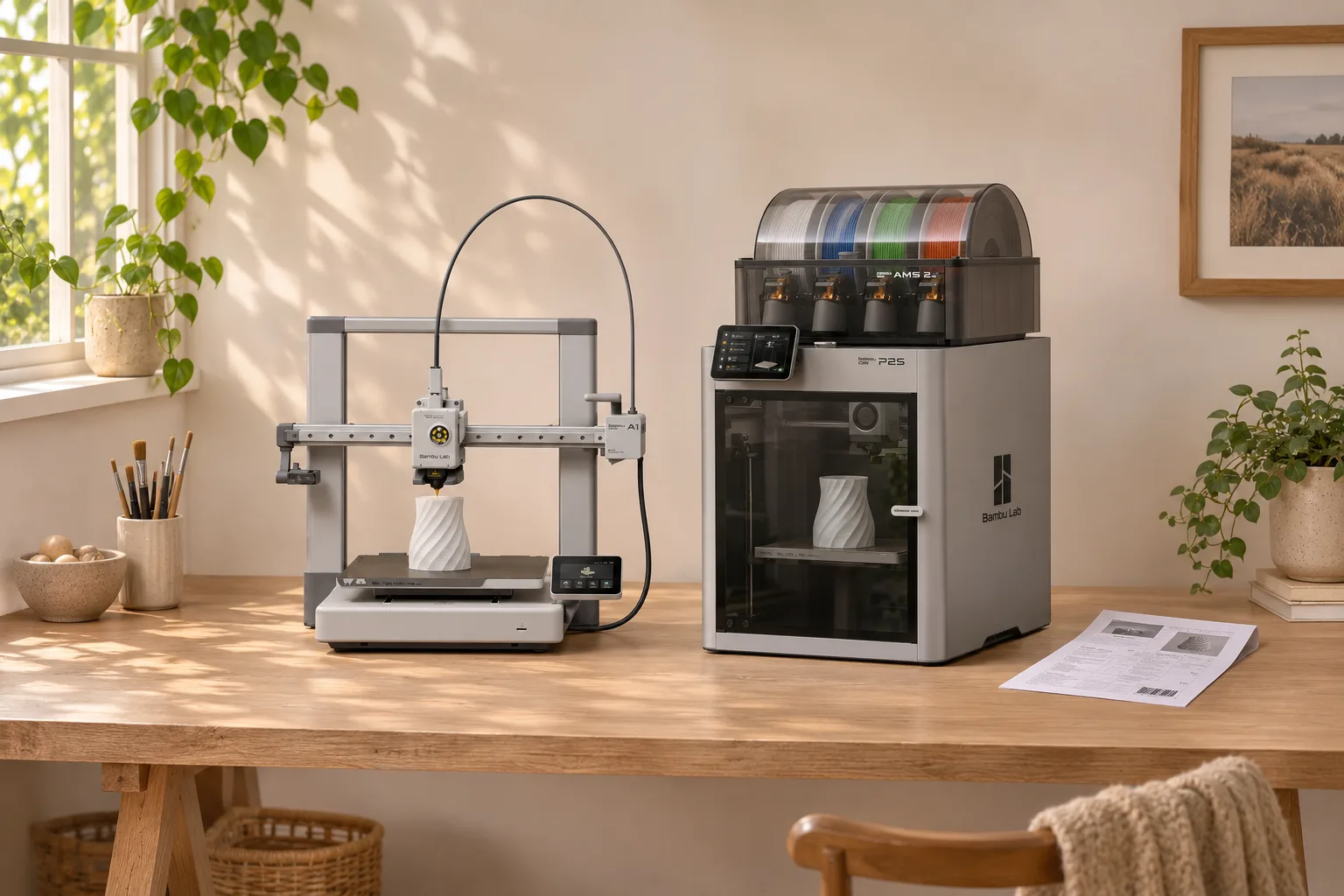
Bambu Lab P2S review

The P2S is the enclosed 3D printer most homes should buy: ABS and ASA, a touchscreen, a 1080p camera and four colors with the AMS 2 Pro, for $649. It's a refinement, not a revolution.

Read review

Buying guide

The best enclosed 3D printers

The Bambu Lab P2S Combo ($649) is the best enclosed 3D printer for most homes. The Elegoo Centauri Carbon 2 Combo ($369) is the best value, and the Prusa CORE One+ is the open, repairable choice.

Read story
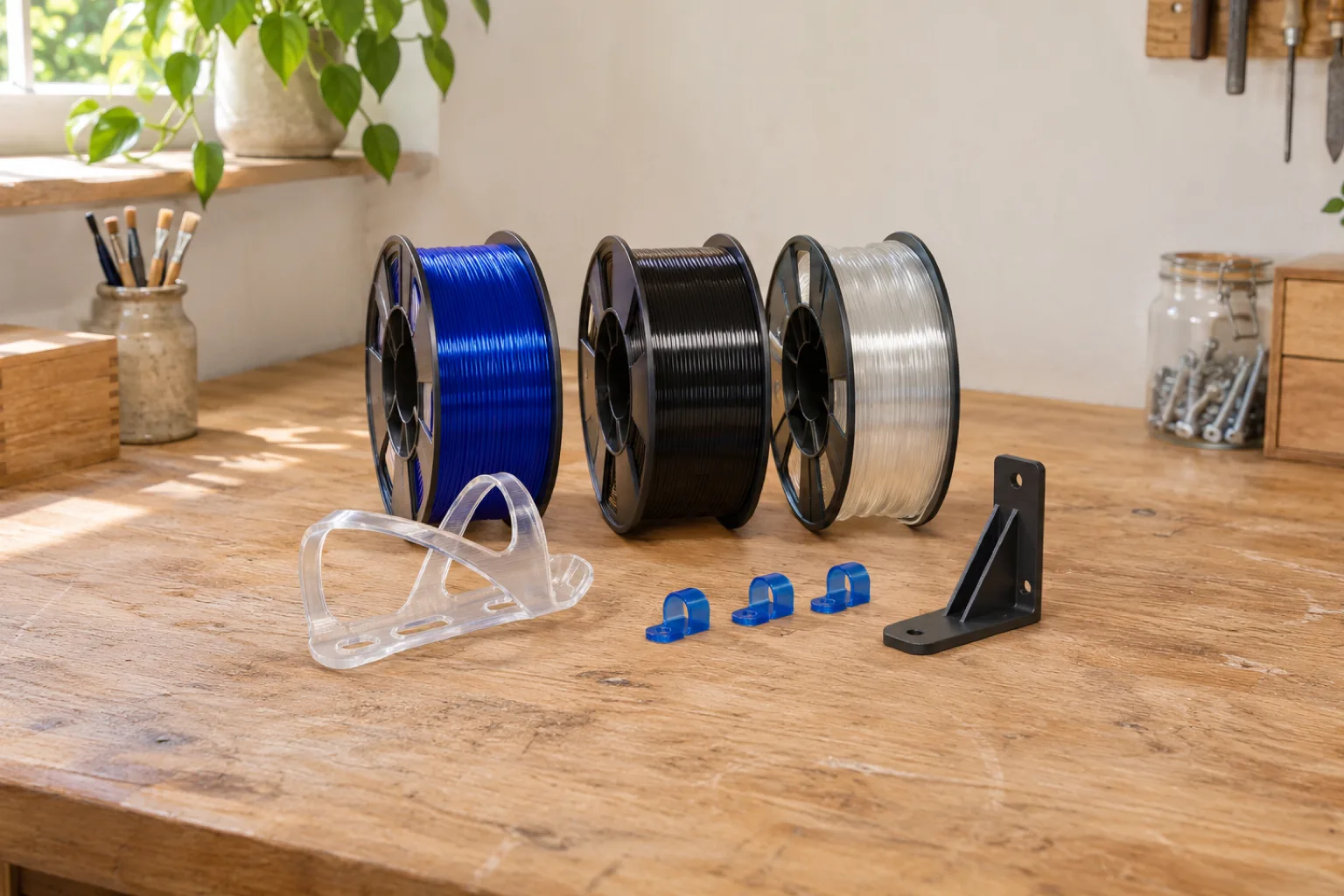
Buying guide

The best multicolor 3D printers

The Bambu Lab A1 Combo ($359) is the best first multicolor printer. The Snapmaker U1 ($699) wastes the least filament, and the Bambu P2S Combo ($649) is the best enclosed multicolor printer.

Read story
Buying guide

The best quiet 3D printers

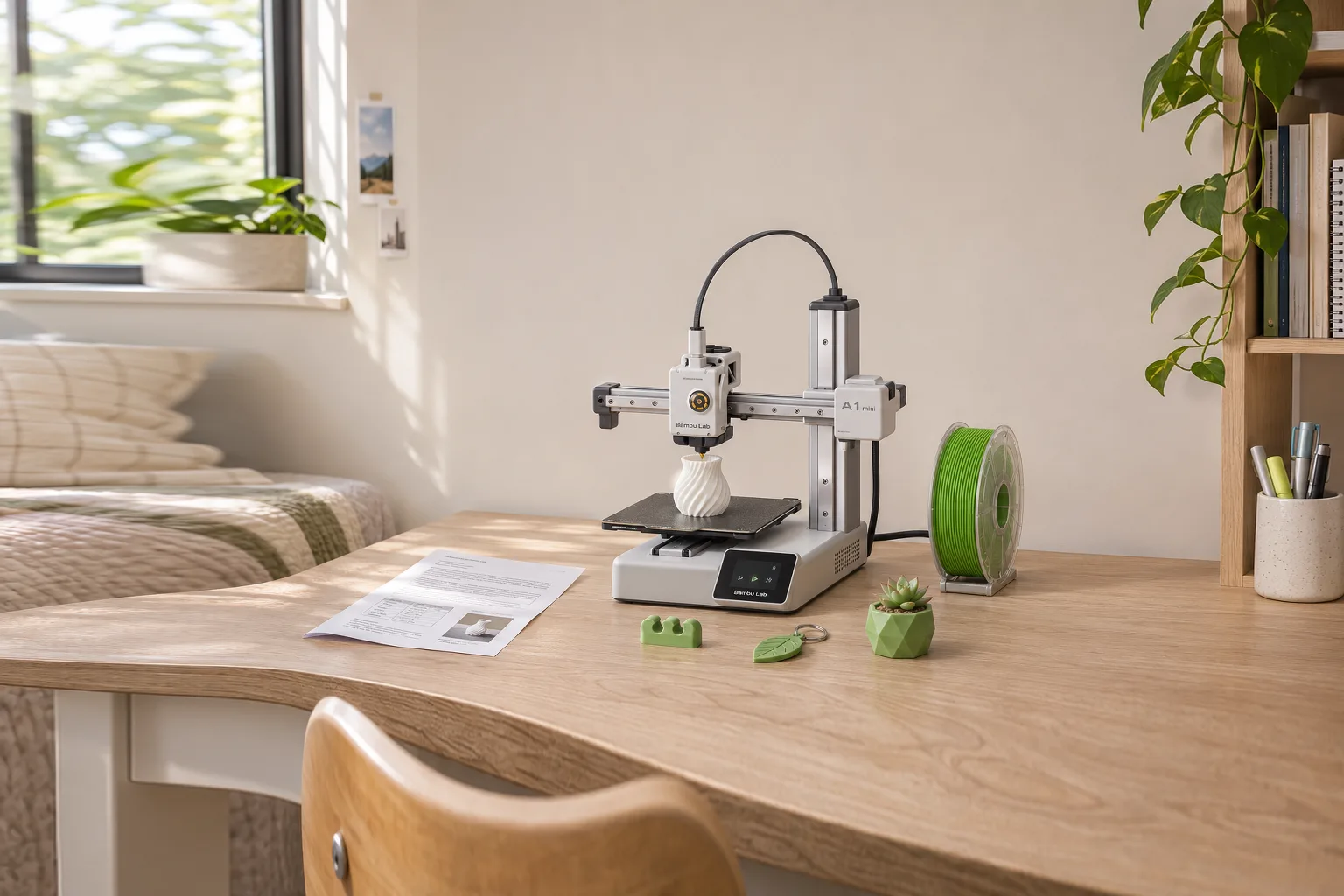
The Bambu Lab A1 mini ($199) is the best quiet 3D printer for most people, at about 48 dB in silent mode by Bambu's rating. The Elegoo Centauri Carbon 2 Combo ($369) is the quietest enclosed printer for the money, and the Bambu P2S Combo ($649) the best quiet enclosed printer overall.

Read story
How to

When is the best time to buy a 3D printer?

Black Friday. Late October through Cyber Monday brings the lowest 3D printer prices of the year, with Bambu's A1 mini at $199 and the P2S Combo $100 off. Bambu's June–July anniversary sale and Prusa's summer and back-to-school sales come next.

Read story
How to

Is CoreXY better than a bed slinger?

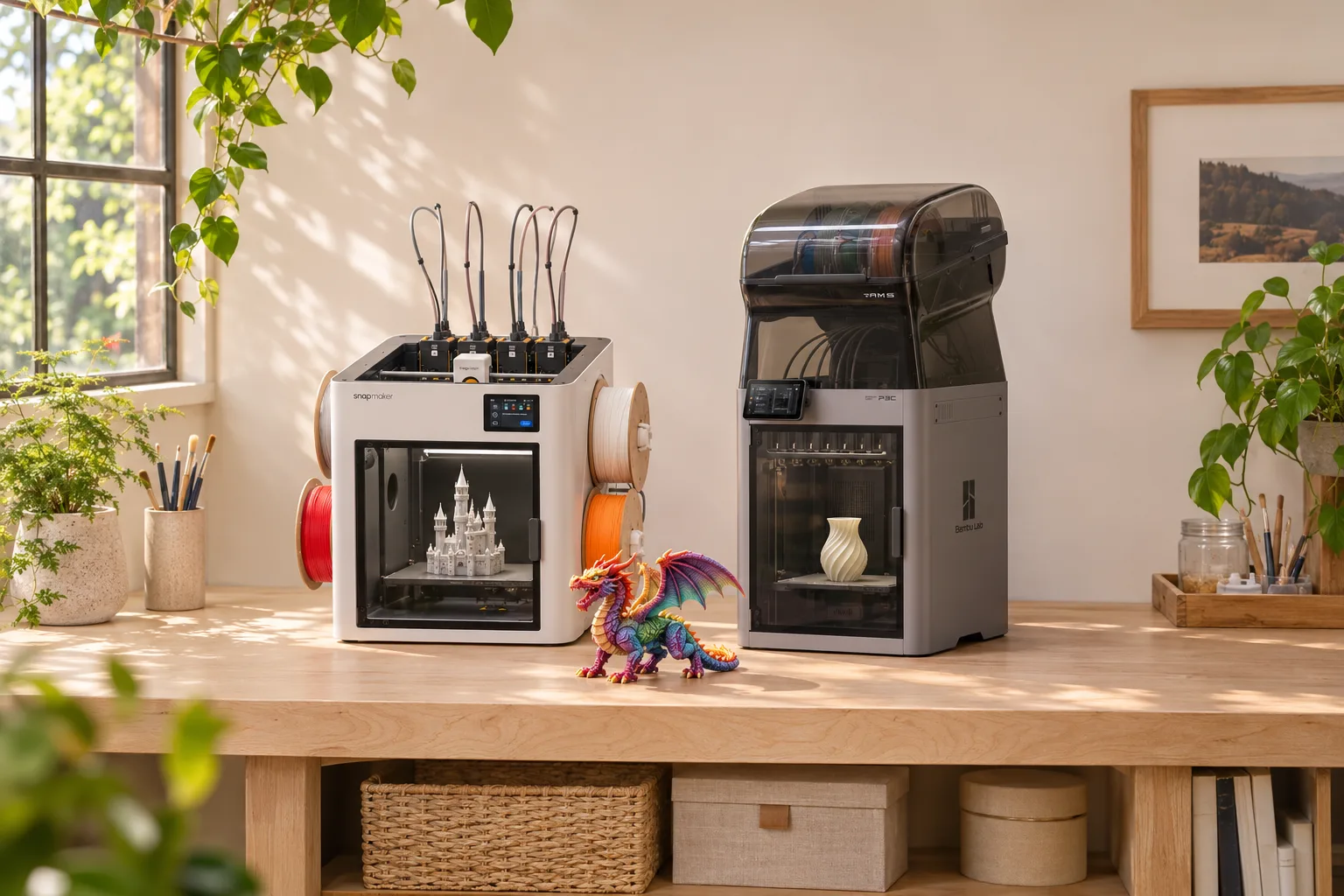
For speed, tall prints and a small footprint, yes: CoreXY printers accelerate about twice as hard as the best bed slingers and take less desk space. But a bed slinger like the $259 Bambu A1 prints PLA just as well, and CoreXY no longer costs more.

Read story
Review

Creality Ender-3 V3 SE review

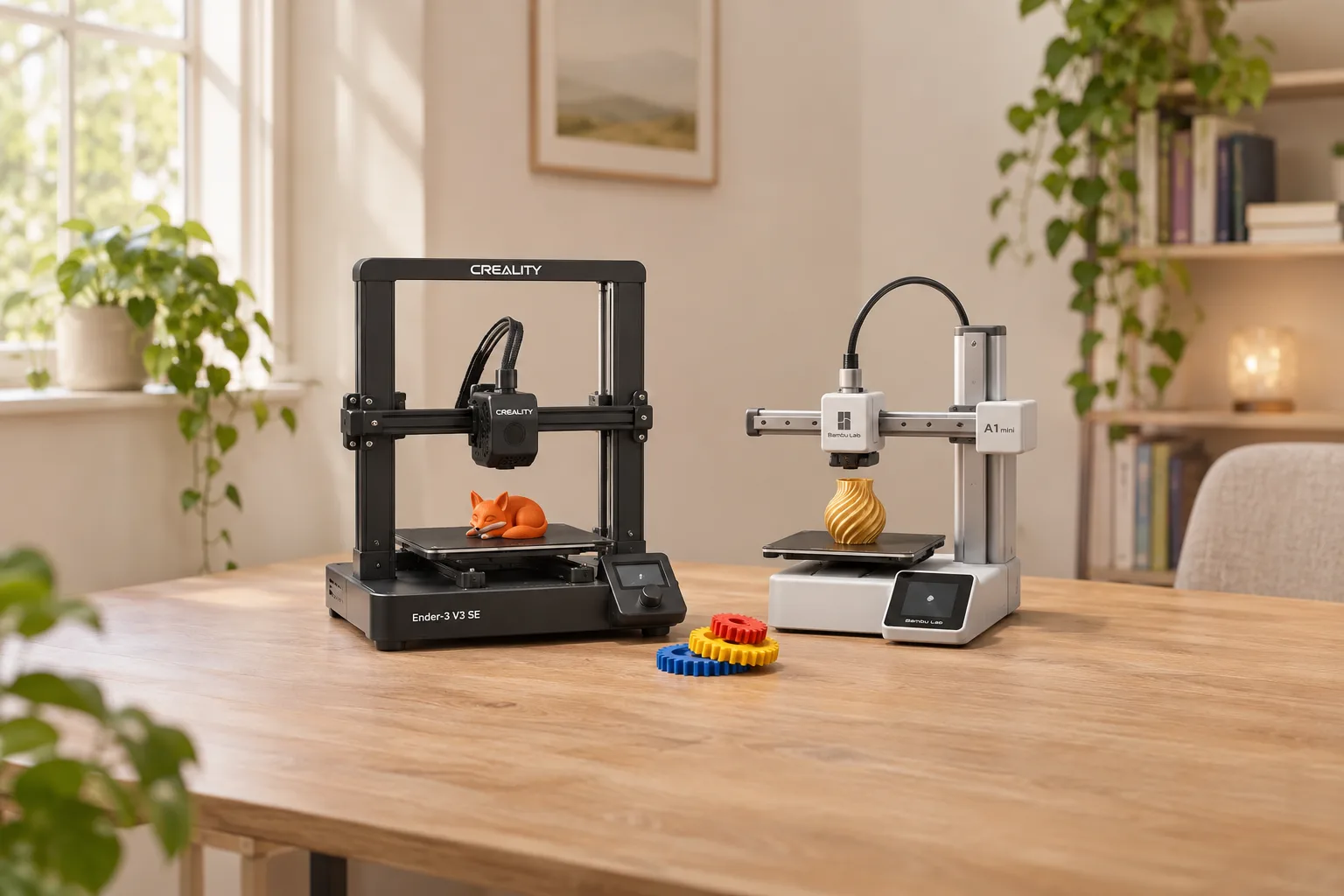
The Ender-3 V3 SE is the cheapest 3D printer worth buying, at $169 with automatic bed leveling. It asks more of you than a Bambu: some assembly, no Wi-Fi and a knob-driven screen.

Read review

How to

Do you need to know CAD to use a 3D printer?

No. Most people print ready-made models from free libraries, and Thingiverse alone lists more than 2.5 million designs. You need a free slicer, not CAD. Learn CAD later if you want parts that fit exactly or designs of your own; Tinkercad is the free place to start.

Read story
How to

How long do 3D printers last?

Years: a well-kept printer from a major brand should run at least five years, as long as parts stay on sale. Nozzles, plates, PTFE tubes and belts wear out every few hundred hours and cost $3–$37 to replace.

Read story
How to

Is a 3D printer worth it for home use?

For most people who like to make or fix things, yes: a $200 to $360 printer prints replacement parts, organizers, toys and gifts for cents to a few dollars each. It's not worth it if you'd only print a few things a year.

Read story
Review

Snapmaker U1 review

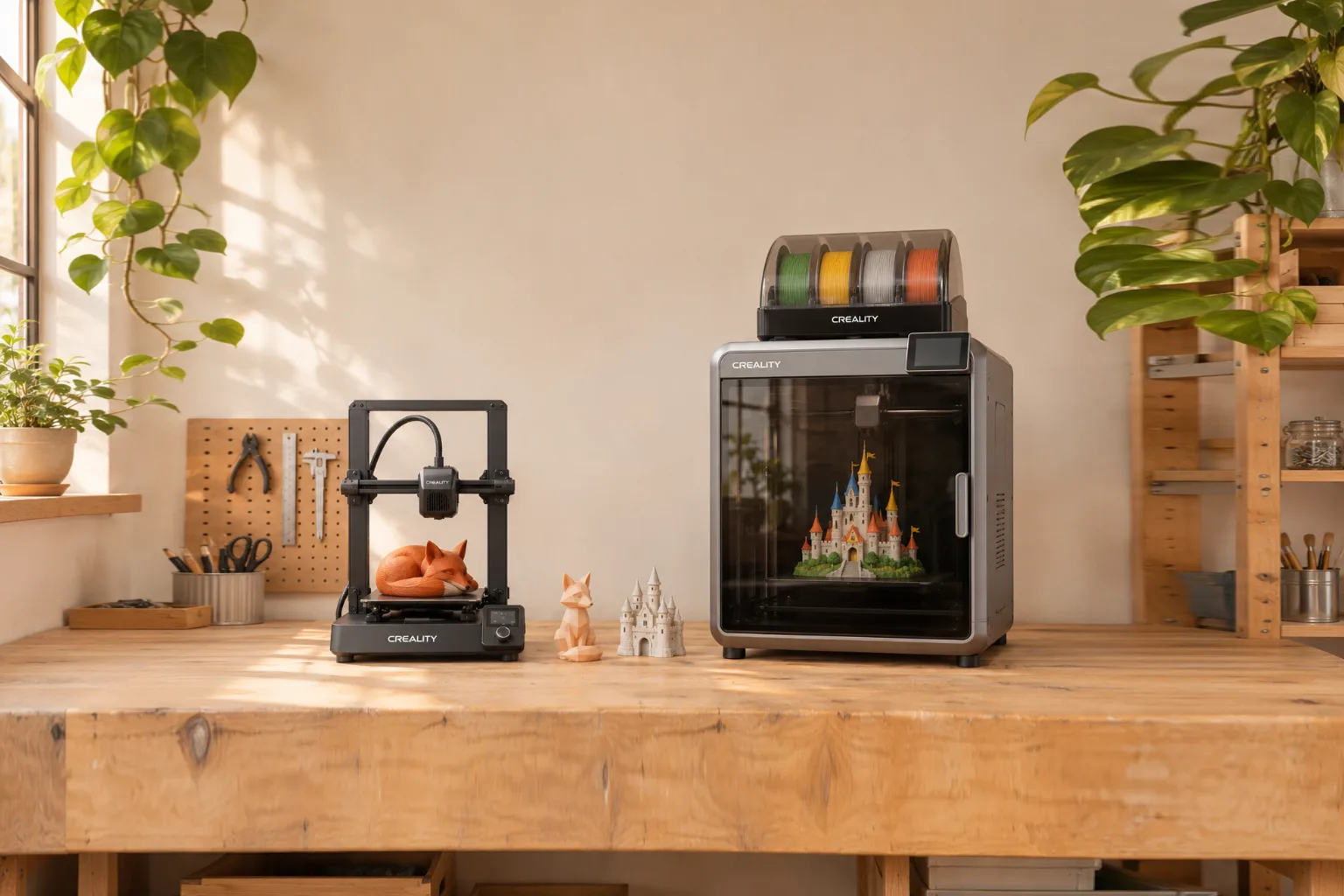
The U1 is the cheapest tool changer: four toolheads that swap in seconds instead of purging filament, for $699. It's open-topped and less polished than a Bambu.

Read review

A little more perspective

Your next idea, made real.

Get to know the machines, materials, and small decisions behind a better first print.

Our guides make room for the details: the paper, the space, the upkeep, and the way you actually use your printer.
How we approach our coverage →