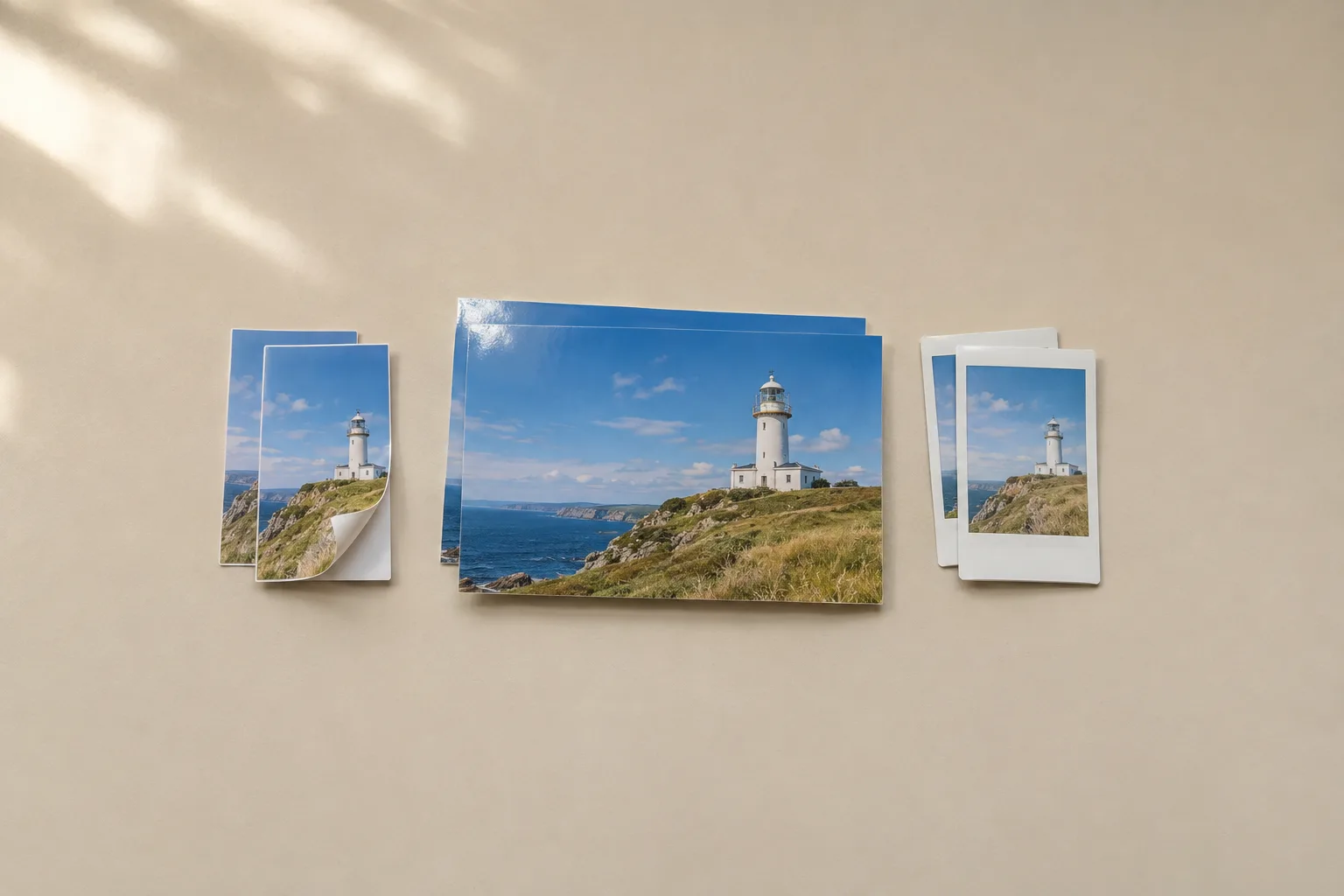
Printers in this guide
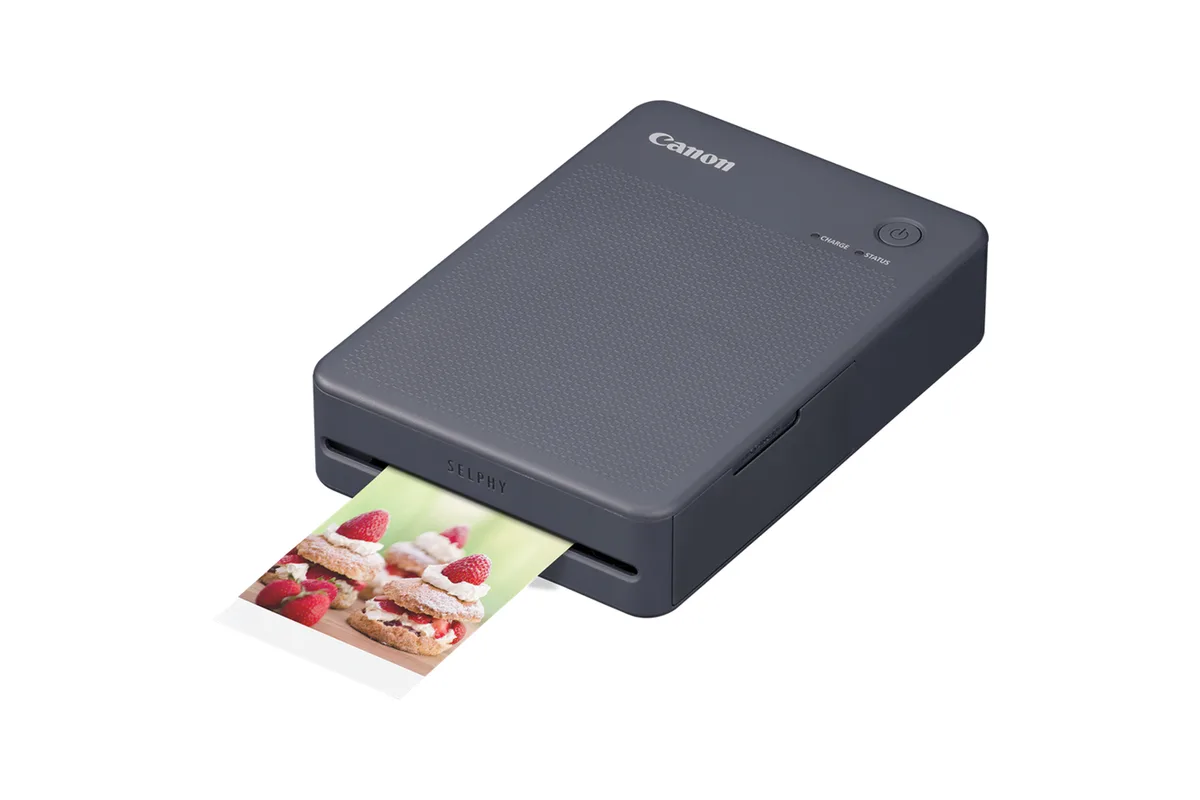
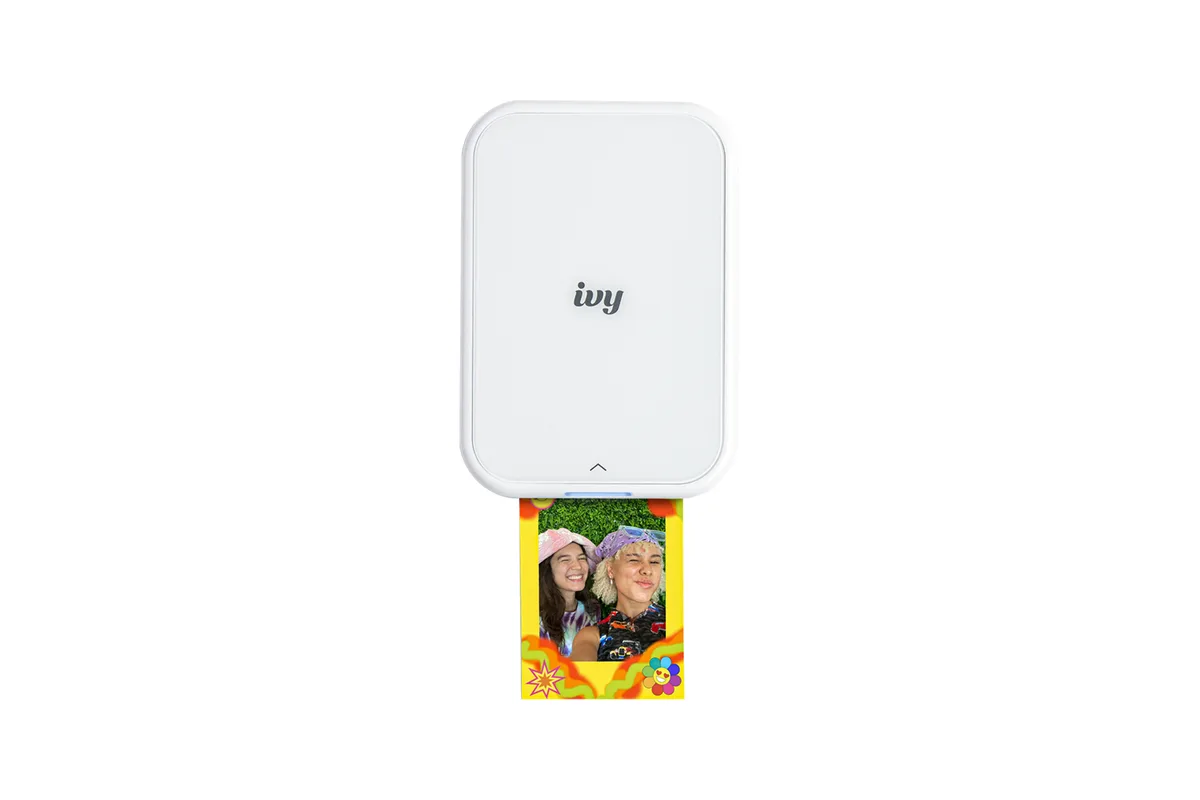
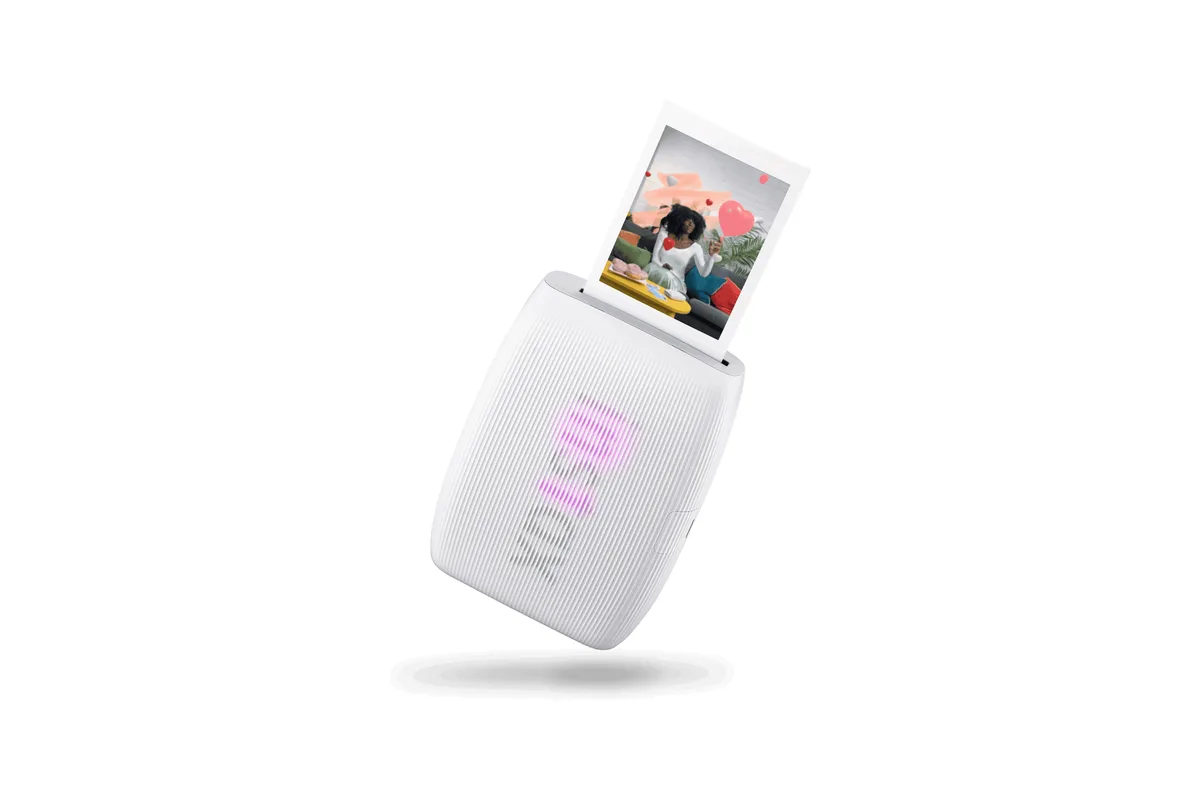
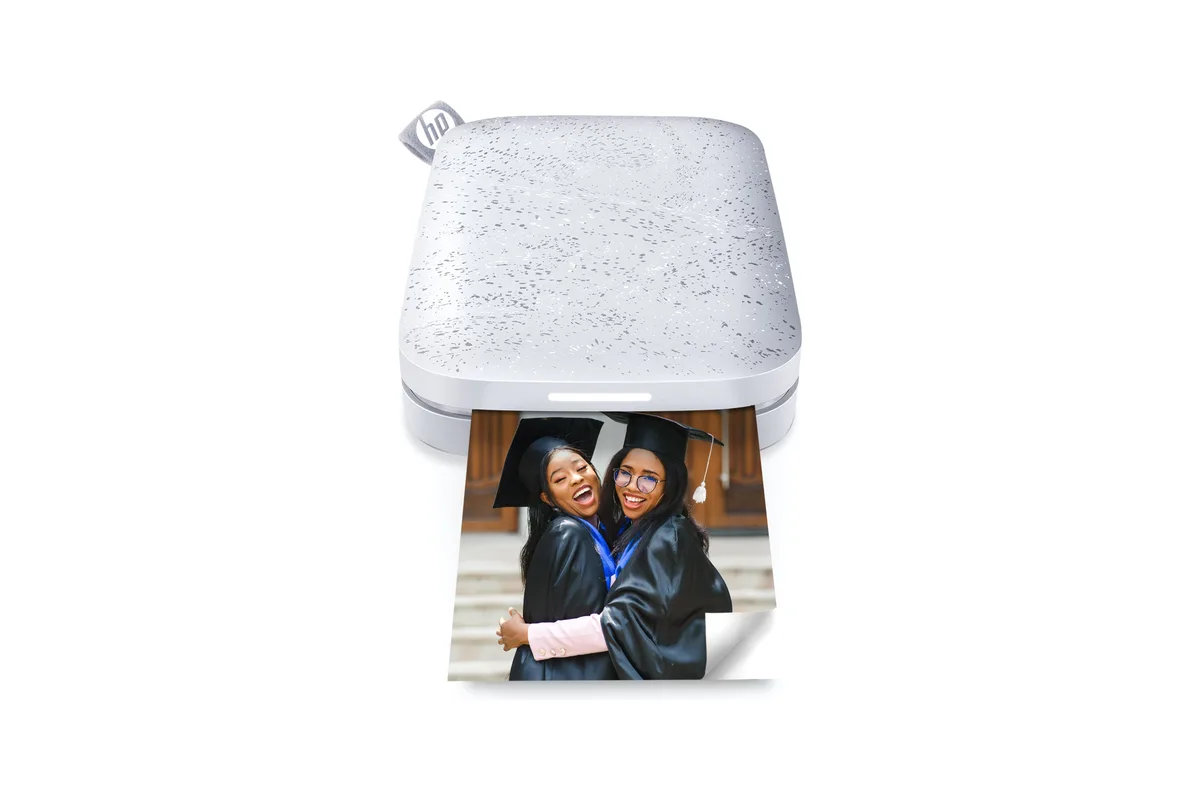
Which portable photo printer type is best?
Dye-sub is the best type for most people: it makes the sharpest, most lab-like prints, coated against water and fingerprints, for about 37¢ (a 4x6 SELPHY) to 85¢ (a pocket printer) a print. Choose Zink if you want the cheapest sticker prints, at about 50¢, and Instax if the instant-film look is the point, at about a dollar a shot.
| Dye-sub | Zink | Instax (instant film) | |
|---|---|---|---|
| Best for | Photo quality and durability | Cheap stickers for journals | The instant-film look |
| How it works | Heat transfers dye from a ribbon, then a clear coat | Heat activates color crystals inside the paper | The printer exposes real Instax film, which develops |
| Print quality | Best: smooth, continuous tone | Softest and least accurate | Soft, retro look; Link+ is sharpest |
| Water and smudges | Coated, water-resistant | Water- and smudge-resistant | No overcoat |
| Maker’s longevity claim | Canon: up to 100 years in an album | None given | “A lifetime”, no figure |
| Stickers | QX20 and Hi-Print, every print | Every print | No |
| Cost per print | 37–85¢ | about 50–60¢ | 91¢–$1.90 |
| Prints per charge | about 20 (pocket models) | about 20 | about 100 |
| Our picks | SELPHY QX20, Polaroid Hi-Print, SELPHY CP1500 | Canon IVY 2 | Instax mini Link+ |
Costs are at the makers’ list prices and Walmart.com street prices in November 2026. Ranked by print quality, dye-sub comes first, Instax second and Zink third.
How does each type work?
Dye-sublimation printers heat a ribbon coated with yellow, magenta and cyan dye, one color pass at a time, so the dye transfers into the paper. A fourth pass lays down a clear protective coat. The ribbon and paper come together in matched kits or cartridges, so you never run out of one first.
Zink (“zero ink”) paper has the color built in as layers of dye crystals that look white until heated. The printer activates them in a single pass. There’s no ink or ribbon at all, the printers can be tiny, and every sheet has a peel-off sticky back.
Instax printers don’t print in the usual sense. A small light panel exposes a sheet of Instax instant film with your photo, and the film then develops chemically in about 90 seconds, just like a print from an Instax camera.
Which makes the best-looking prints?
Dye-sub, clearly. Its prints have continuous tone with no dots, rich color and smooth gradations, and look the most like lab photos. Among pocket printers, the SELPHY QX20 has the best color and the Polaroid Hi-Print the finest detail. Both have a narrow color range, though, so they don’t match a good inkjet, but nothing else this small comes closer.
Zink is a step down. Prints are softer and less color-accurate, and the Canon IVY 2’s main weakness is image quality. For stickers in a planner, that rarely matters.
Instax prints have a soft, warm, retro look that many people buy them for. The Instax mini Link+ is the sharpest and most color-accurate Instax printer yet. The trade-off is size: a Mini picture is only 2.4 by 1.8 inches. Wide film doubles that.
Which prints last longest?
Dye-sub prints are the toughest day to day, thanks to the clear coat: coffee spilled on a QX20 print can wipe clean, and Canon calls SELPHY prints water-resistant. For lifespan, every figure is a maker claim, and no independent lab has published fade tests of these pocket formats that we found.
- Dye-sub (maker claim): Canon says SELPHY prints last up to 100 years, based on its own accelerated test in dark storage simulating a sleeved album, and says it can’t guarantee that. Polaroid makes no longevity claim for Hi-Print paper.
- Zink (maker claim): Zink calls its prints “extremely durable,” water-resistant and tear- and smudge-resistant, with no lifespan figure. Canon rates IVY prints smudge-free and water- and tear-resistant.
- Instax (maker claim): Fujifilm says its film delivers prints that will “last a lifetime,” with no number or test behind it on its US pages.
Whatever the type, keep prints out of direct sunlight, heat and humidity. Canon’s own advice for SELPHY prints: store them below 104°F (40°C), use albums with nylon, polypropylene or cellophane sleeves, and keep them away from vinyl and tape.
Which is cheapest per print?
A desktop dye-sub SELPHY is cheapest per print, and Zink is cheapest among pocket printers. Ranked cheapest first:
| Printer and media | Type | Print size | Cost per print |
|---|---|---|---|
| Canon SELPHY CP1500, RP-108 kit ($39.99 ÷ 108) | Dye-sub | 4x6 in | 37¢ |
| Canon IVY 2, ZINK 100-sheet pack ($49.99 ÷ 100) | Zink | 2x3 in | 50¢ |
| Polaroid Hi-Print 2x3, five-pack ($70.00 ÷ 100) | Dye-sub | 2x3 in | 70¢ |
| Canon SELPHY QX20, XC-60L set ($46.99 ÷ 60) | Dye-sub | card size | 78¢ |
| Instax Mini twin pack, Walmart.com ($18.17 ÷ 20) | Instant film | 2.4x1.8 in picture | 91¢ |
| Instax Wide twin pack, Walmart.com ($19.66 ÷ 20) | Instant film | 3.9x2.4 in picture | 98¢ |
| Instax Square twin pack, Walmart.com ($23.36 ÷ 20) | Instant film | 2.4x2.4 in picture | $1.17 |
Canon and Polaroid prices are list prices in November 2026; Instax list prices are higher, at $1.30 (Mini), $1.60 (Square) and $1.90 (Wide) a shot. The Kodak Mini 2 Retro, a budget dye-sub printer, prints for about 30¢ but is slow. Full breakdowns are in SELPHY ink and paper, how much an Instax print costs and what a photo print really costs.
Which type is best for stickers?
Zink, if you want the cheapest stickers: every IVY 2 print peels off a sticky back, and Canon sells pre-cut circle sticker sheets too. Pocket dye-sub printers also print on sticky-backed paper, so the QX20 and Hi-Print give you coated stickers that look like real photos, for 20 to 35¢ more each. Instax prints aren’t stickers. The desktop SELPHY CP1500 prints stickers only with separate label kits and a card-size cassette.
Which should you buy?
- Best prints you can carry: Canon SELPHY QX20, dye-sub, square and card sizes.
- Smallest dye-sub printer: Polaroid Hi-Print 2x3, for a jeans pocket.
- Journals, planners and kids: Canon IVY 2, Zink, about 50¢ a sticker.
- Instant-film look and the longest battery: Instax mini Link+, about 100 prints per charge.
- 4x6 prints at home: Canon SELPHY CP1500, dye-sub, about 37¢ a print.
Our best portable photo printers guide ranks the pocket printers, and Hi-Print vs SELPHY QX20 compares the two pocket dye-sub models head to head.
Questions people ask
Is dye-sub better than Zink?
Yes, for print quality and durability. Dye-sub prints are sharper, more accurate and coated against water; Zink is cheaper, at about 50¢ a print, and every print is a sticker.
Is Instax better than Zink?
For the look of real instant film, yes, but it costs about twice as much per print (about 91¢ to $1.30 for a Mini shot against about 50¢). Zink prints are stickers; Instax prints aren’t.
Do Zink printers need ink?
No. The color is built into Zink paper and activated by heat, so paper is the only thing you buy.
Do dye-sub prints fade?
Canon rates its SELPHY dye-sub prints for up to 100 years in a sleeved album, from its own accelerated test. Kept out of sunlight, heat and humidity, they hold up well; no independent fade test of pocket prints has been published that we found.
Which portable printer type is cheapest?
Zink among pocket printers, at about 50¢ a print with Canon’s 100-sheet pack. A desktop dye-sub SELPHY CP1500 is cheaper still, at about 37¢ for a bigger 4x6.
Are Instax prints waterproof?
Fujifilm makes no water-resistance claim for Instax film, and the prints have no protective overcoat like dye-sub prints.
Sources
- SELPHY QX20 product page, Canon
- SELPHY CP1500 product page, Canon
- SELPHY ink and paper kits, Canon
- SELPHY CP1500 user manual: storing prints, cam.start.canon
- Hi·Print 2x3 Generation 2 pocket photo printer, Polaroid
- Hi·Print 2x3 paper cartridge, Polaroid
- ZINK technology, zink.com
- ZINK photo sticker paper, 100 sheets, Canon
- IVY 2 Mini Photo Printer product page, Canon
- instax mini Twin Film Pack, classic white, Fujifilm Instax
- instax mini Link+ specifications, Fujifilm
- instax Link WIDE 2, Fujifilm Instax
- The best portable printers, RTINGS
- Polaroid Hi-Print Generation 2 review, RTINGS
- Canon SELPHY QX20 review, RTINGS
- Canon SELPHY QX20 review, PCMag
- Canon IVY 2 Mini Photo Printer review, PCMag
- Fujifilm Instax Mini Link+ review, Digital Camera World
Keep exploring
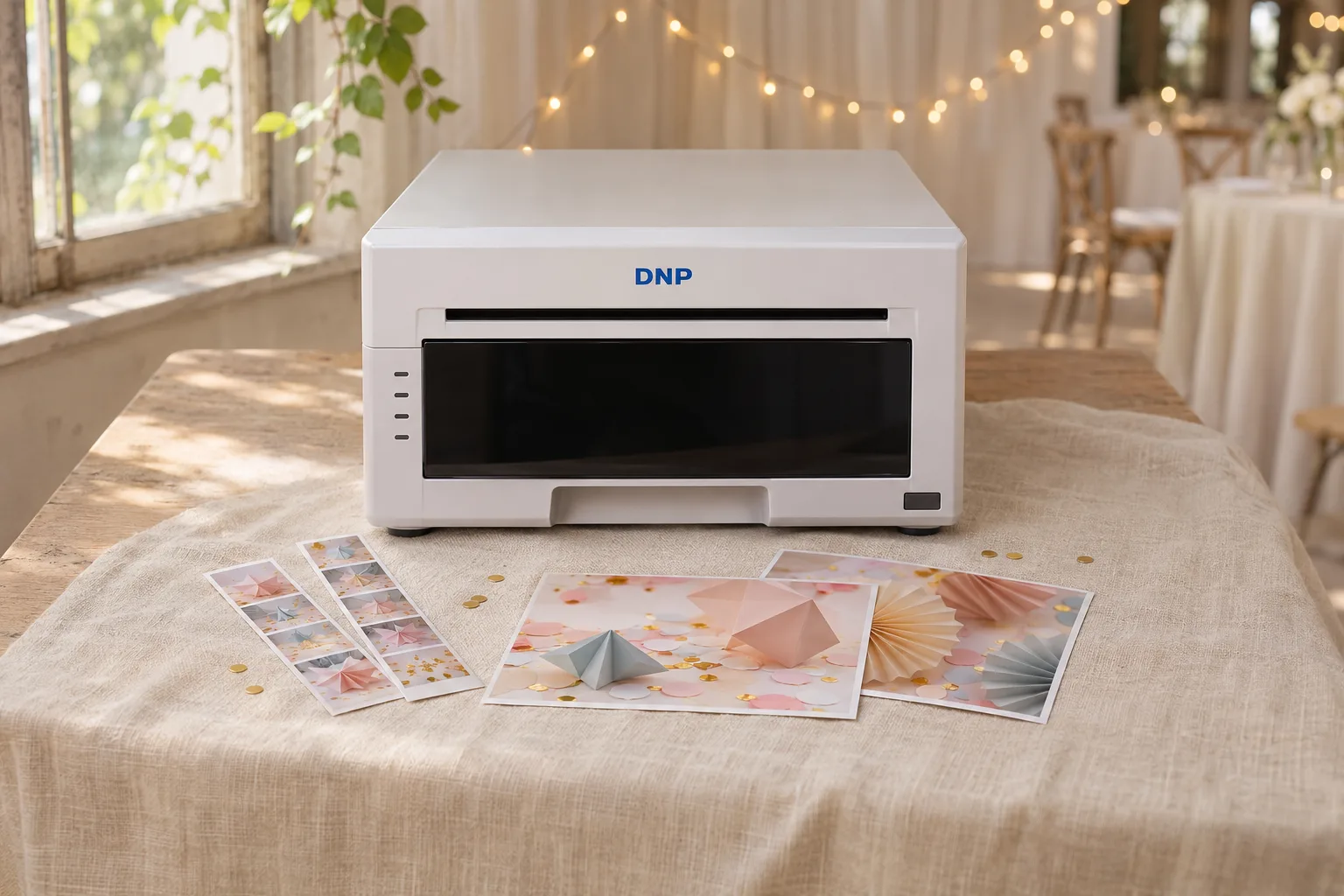
Buying guide
The best photo booth printers
The DNP DS620A is the best photo booth printer: a 4x6 in about 8.3 seconds, 400 prints per roll, 2x6 strips at about 8¢ each in media and a 3-year exchange warranty, for $995 on Black Friday sale in November 2026. The HiTi P525L ($649) costs least to run, at about 11¢ per 4x6.
Read story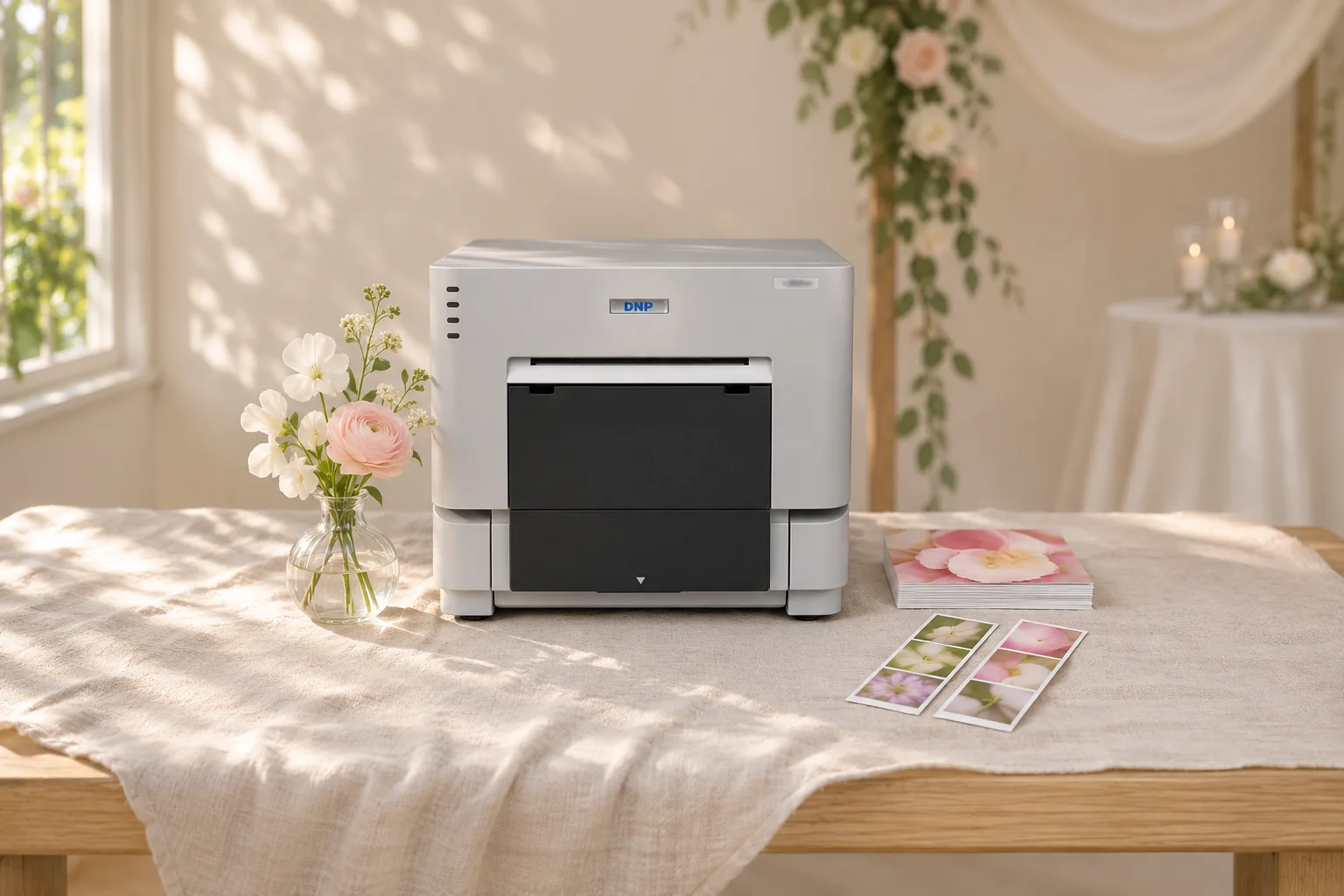
Review
DNP DS-RX1HS review
Not as a new buy: the DNP DS-RX1HS still runs cheaply, at 12.4 seconds per 4x6, 700 prints per roll and about 14¢ of media per 4x6, but new units were unavailable or backordered at $695 in November 2026, and DNP now lists the DP-RX2 ($795) with the same speed and roll size and a 3-year warranty in its place.
Read review