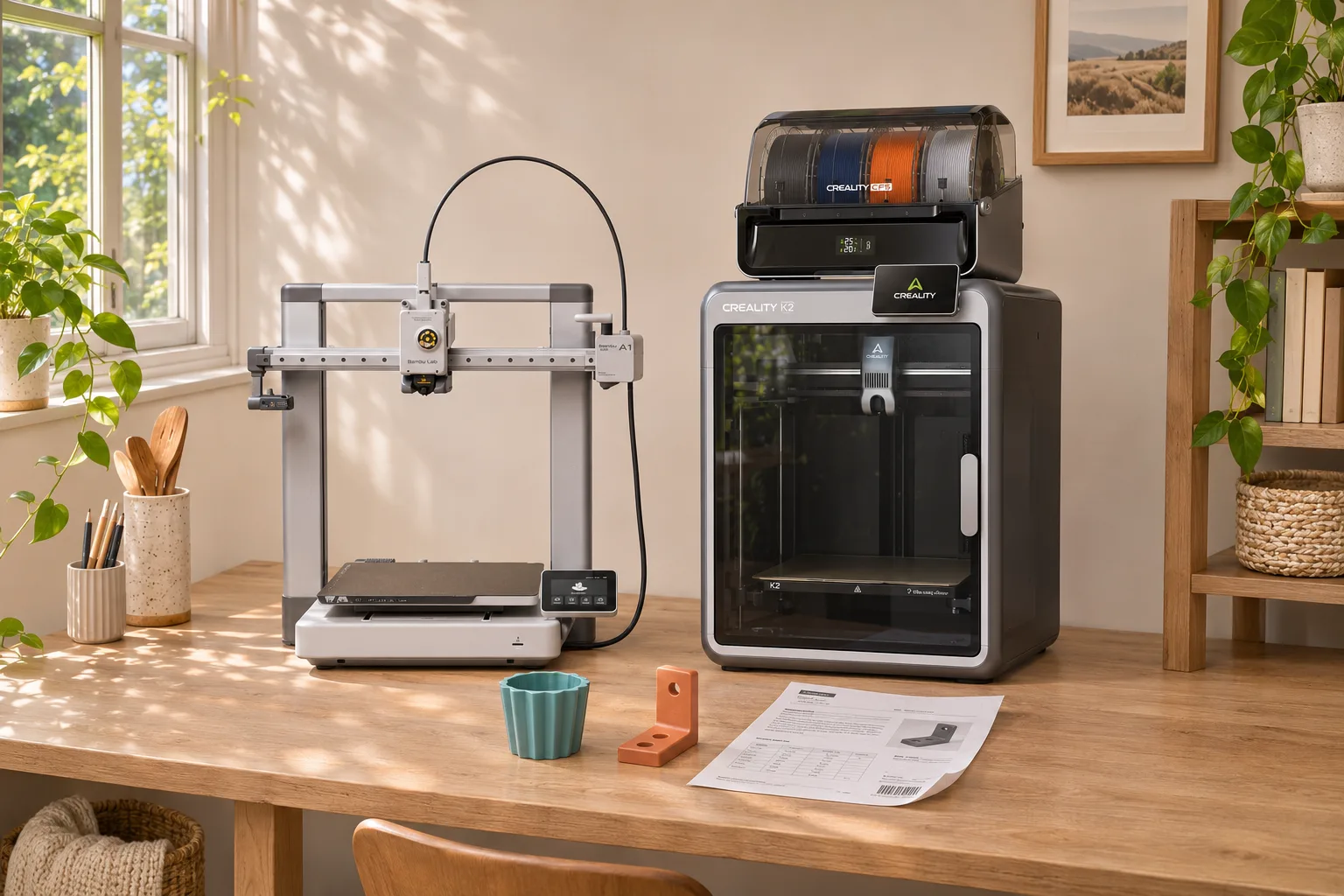
Printers in this guide
Bambu Lab or Creality: which is better?
Bambu Lab, for most people. Bambu’s printers are more polished: they calibrate themselves completely, their software and app are the easiest to use, and they print reliably with default settings. Bambu also gives a 2-year warranty on printers from its US store, against Creality’s 12 months.
Creality is better if price or tinkering comes first. Its Ender-3 V3 SE is the cheapest printer worth buying at $169, its printers run Klipper-based firmware that hobbyists can modify, and it sells a wide range of sizes and styles.
Bambu Lab vs Creality at a glance
| Bambu Lab | Creality | |
|---|---|---|
| Cheapest good printer (Nov 2026) | A1 mini, $199 | Ender-3 V3 SE, $169 |
| Ease of setup | Fully automatic | Auto leveling; more hands-on on budget models |
| Enclosed multicolor | P2S Combo, $649 | K2 Combo, $449 |
| Software | Bambu Studio, Bambu Handy, MakerWorld | Creality Print, Creality Cloud |
| Firmware | Closed | Klipper-based; partly open source |
| Multicolor system | AMS lite, AMS 2 Pro | CFS (up to 16 colors) |
| US warranty | 2 years from Bambu’s store | 12 months; wear parts 3 months |
| Recalls (US CPSC) | A1 heatbed cable, 2024 (fixed) | None |
Sources: the makers’ stores and policies, read November 24, 2026.
Budget printers: A1 mini vs Ender-3 V3 SE
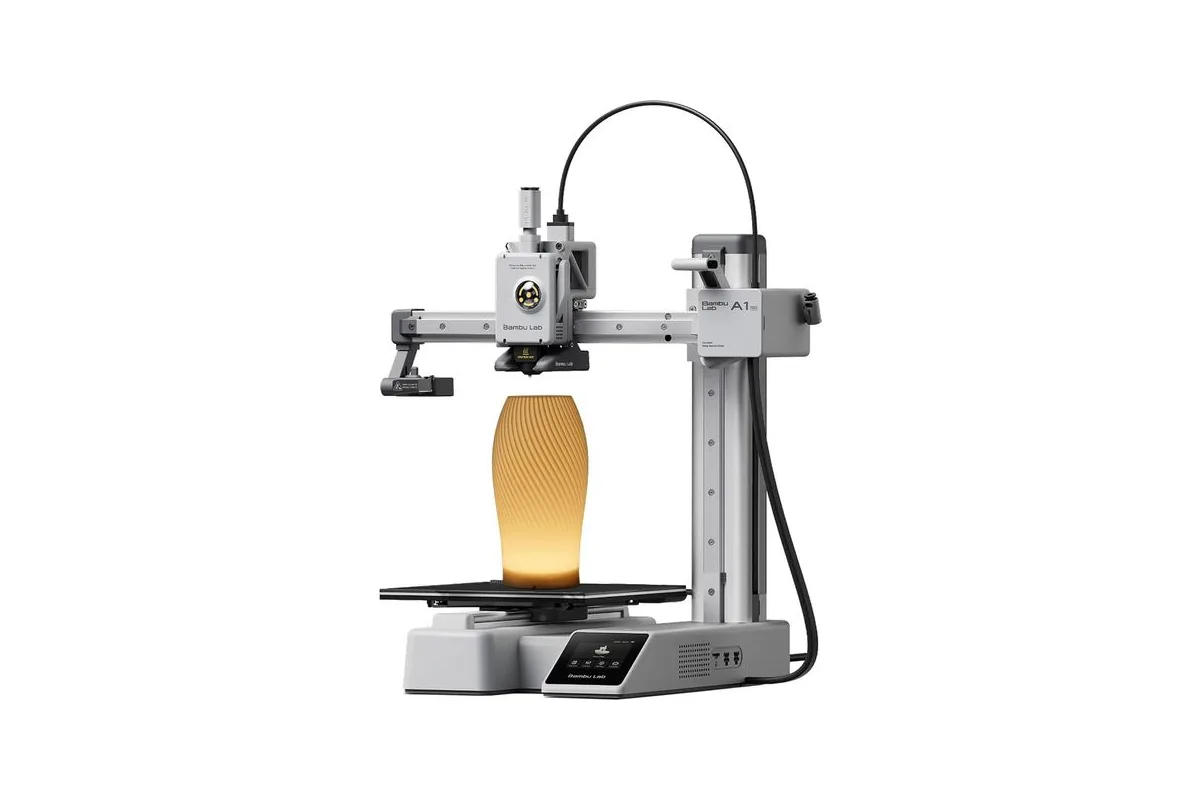
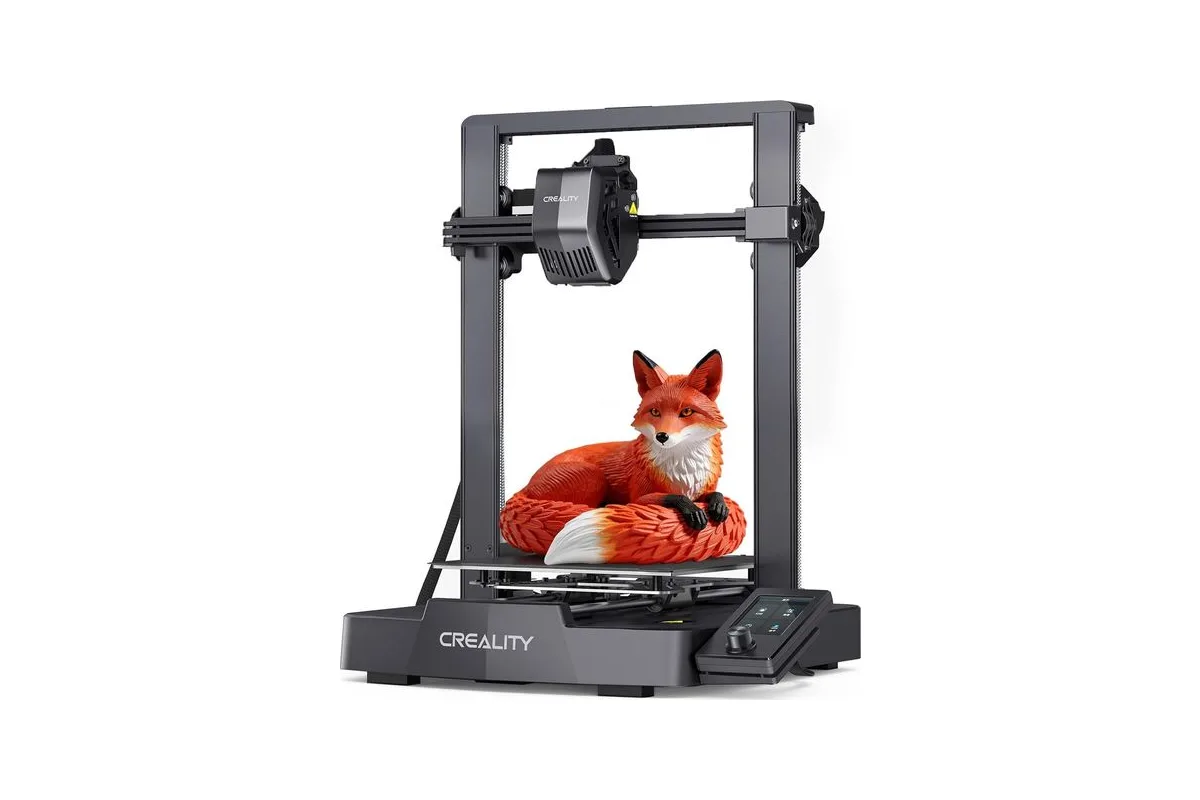
The Bambu A1 mini ($199) is easier in every way: full automatic calibration, a touchscreen, Wi-Fi and an app, faster printing, and an optional four-color AMS lite. The Creality Ender-3 V3 SE ($169) has a larger 220 x 220 x 250 mm bed but needs assembly, prints from an SD card or USB, and has no camera. For a beginner, the $30 difference is worth it. Read our A1 mini and Ender-3 V3 SE reviews.
Enclosed multicolor: P2S Combo vs K2 Combo
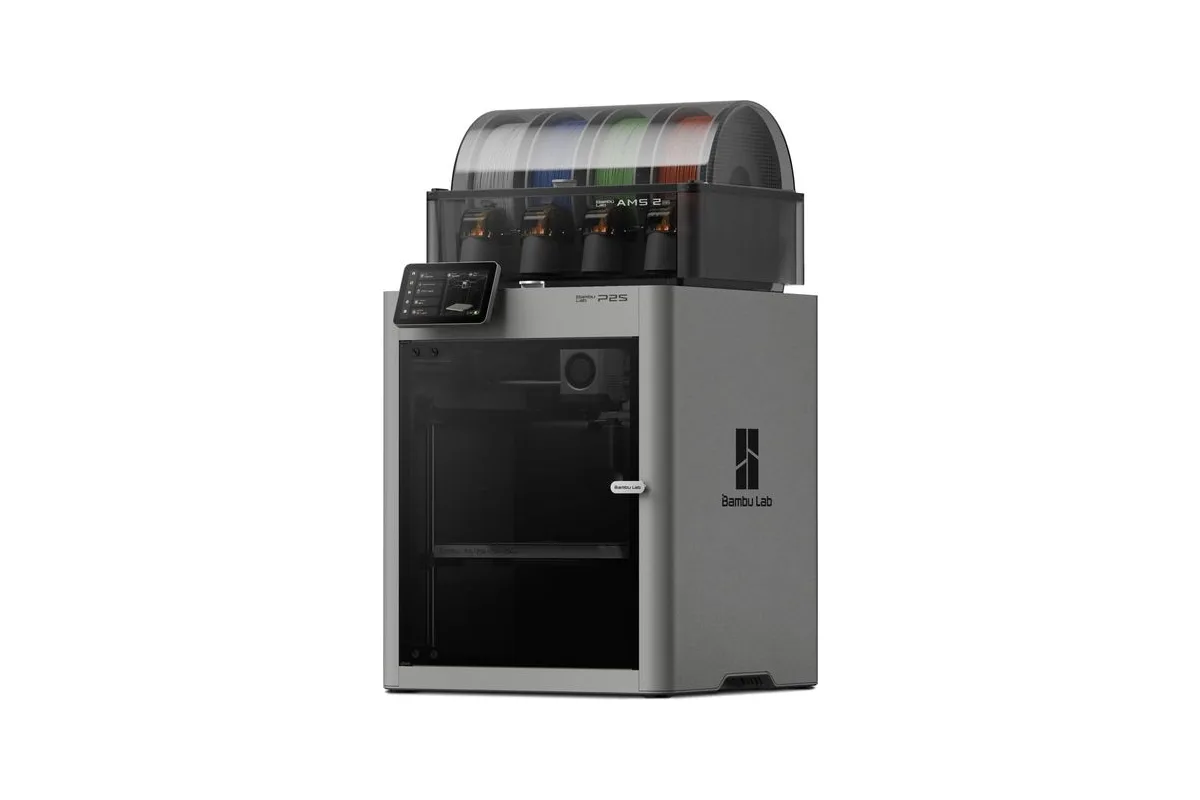
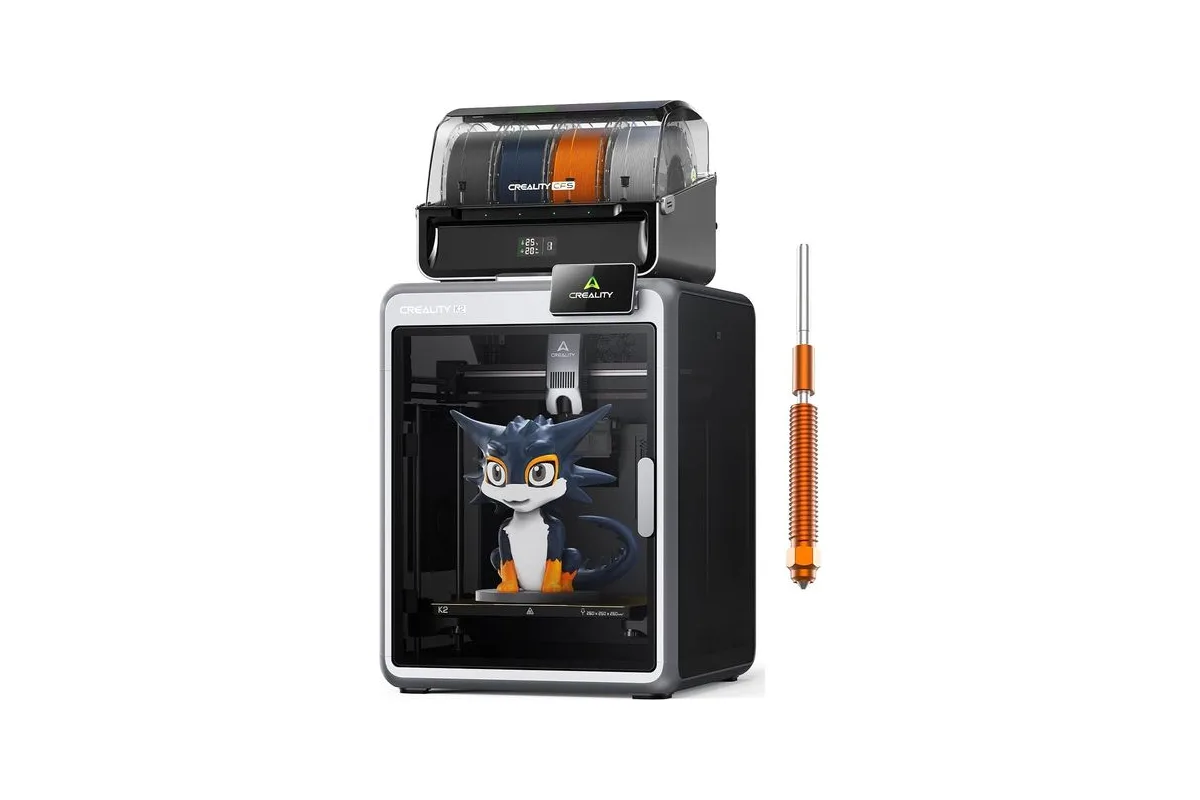
The Creality K2 Combo ($449) is $200 cheaper than the Bambu P2S Combo ($649) and has a slightly larger 260 mm build volume and room for up to 16 colors. The P2S has better software, a touchscreen, a 1080p camera, a quick-swap nozzle and an AMS that dries filament, plus a longer warranty. The K2’s Wi-Fi is 2.4 GHz only and its CFS can’t feed TPU. Read our P2S review.
Which brand is more reliable?
Bambu’s full automatic calibration makes its printers more likely to print well out of the box. Bambu’s only US recall, for the A1’s heatbed cable in 2024, was fixed with redesigned parts. Creality has no CPSC recalls; its budget printers are more variable and benefit from checking bolts and belts on arrival. Creality’s 12-month warranty covers wear parts such as nozzles and build plates for only 3 months.
Which has the better software and cloud?
Bambu’s, for ease: Bambu Studio and MakerWorld make printing almost automatic. Both brands have optional clouds. Bambu printers print offline over LAN or from a card; Creality printers print over the local network without an account, and Creality Cloud adds remote camera and control. Bambu’s 2025 authorization controls limit third-party tools; Creality’s Klipper firmware is more open to modification, though key parts ship closed.
Which should you buy?
- Beginners: Bambu Lab A1 mini or A1.
- Lowest price: Creality Ender-3 V3 SE.
- Enclosed multicolor on a budget: Creality K2 Combo, or the Elegoo Centauri Carbon 2 for $369.
See the best 3D printers and Creality vs Elegoo.
Questions people ask
Is Bambu Lab better than Creality?
For ease of use, reliability and software, yes. Creality is cheaper and more open to tinkering.
Is Creality good for beginners?
Its newer printers, with automatic leveling, are. A Bambu A1 mini is still easier for about $30 more.
Which is cheaper, Bambu Lab or Creality?
Creality’s cheapest printer is cheaper ($169 vs $199), and its K2 Combo undercuts Bambu’s P2S Combo by $200.
Do Creality printers need the cloud?
No. They print over your local network or from storage; Creality Cloud adds remote access and needs an account.
Which has the better warranty?
Bambu: 2 years on printers from its US store, against Creality’s 12 months.
Sources
- Bambu Lab A1 mini product page, us.store.bambulab.com
- Bambu Lab P2S product page, us.store.bambulab.com
- Creality Ender-3 V3 SE product page, store.creality.com
- Creality K2 Combo product page, store.creality.com
- Creality return policy, store.creality.com
- Creality privacy policy, file2-cdn.creality.com
- Bambu Lab: updates and third-party integration with Bambu Connect, blog.bambulab.com
Keep exploring

How to
Hardened steel vs brass nozzles, and what nozzle size to use
Brass, or the stainless steel Bambu ships on the A1, is fine for PLA, PETG, ABS, ASA and TPU. Carbon fiber, glass fiber, glow-in-the-dark and sparkle filaments need hardened steel. Use a 0.4 mm nozzle for most prints, 0.6 mm for carbon fiber and big parts, and 0.2 mm for miniatures.
Read story
How to
Can you 3D scan with an iPhone? Yes, but not to tight tolerances
Yes. Any current iPhone can 3D scan objects from photos (photogrammetry), and KIRI Engine's free tier exports STL for printing. Only the iPhone 18 Pro and 18 Pro Max have LiDAR in Apple's current lineup. For parts that must fit, a $359 scanner is about ten times tighter.
Read story