Printers in this guide
What is the best fine art paper for inkjet printing?
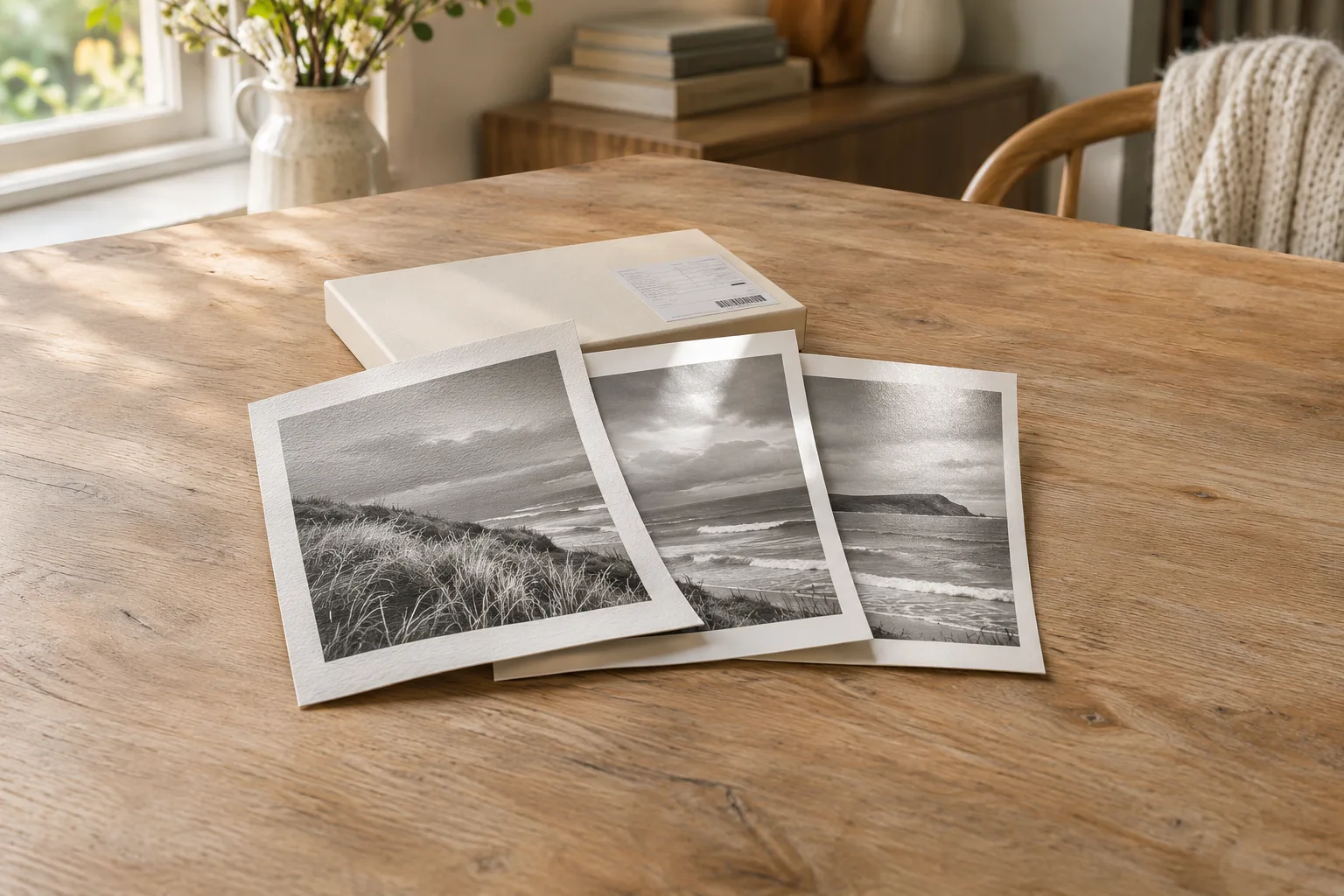
Hahnemühle Photo Rag 308 is the benchmark matte fine art paper, and a cotton baryta such as Hahnemühle Photo Rag Baryta or Canson Platine Fibre Rag is the benchmark gloss. Photo Rag is a 100% cotton sheet with a matte coating and a light felt texture, made for fine art photography and art reproduction. The barytas give deep blacks and the look of darkroom fibre paper.
- For a matte, art-print look: Hahnemühle Photo Rag 308 ($2.44 a letter sheet, $6.12 at 13x19).
- For glossy color and black and white: Hahnemühle Photo Rag Baryta 315 ($2.70, $7.40), Canson Platine Fibre Rag 310 (about $2.12, $5.62) or Moab Juniper Baryta Rag 305 ($1.90, $4.38).
- On a budget: Red River Big Bend Baryta 310 ($1.52, $3.51) or Canson Baryta Photographique II (about $1.57–1.72, $4.38).
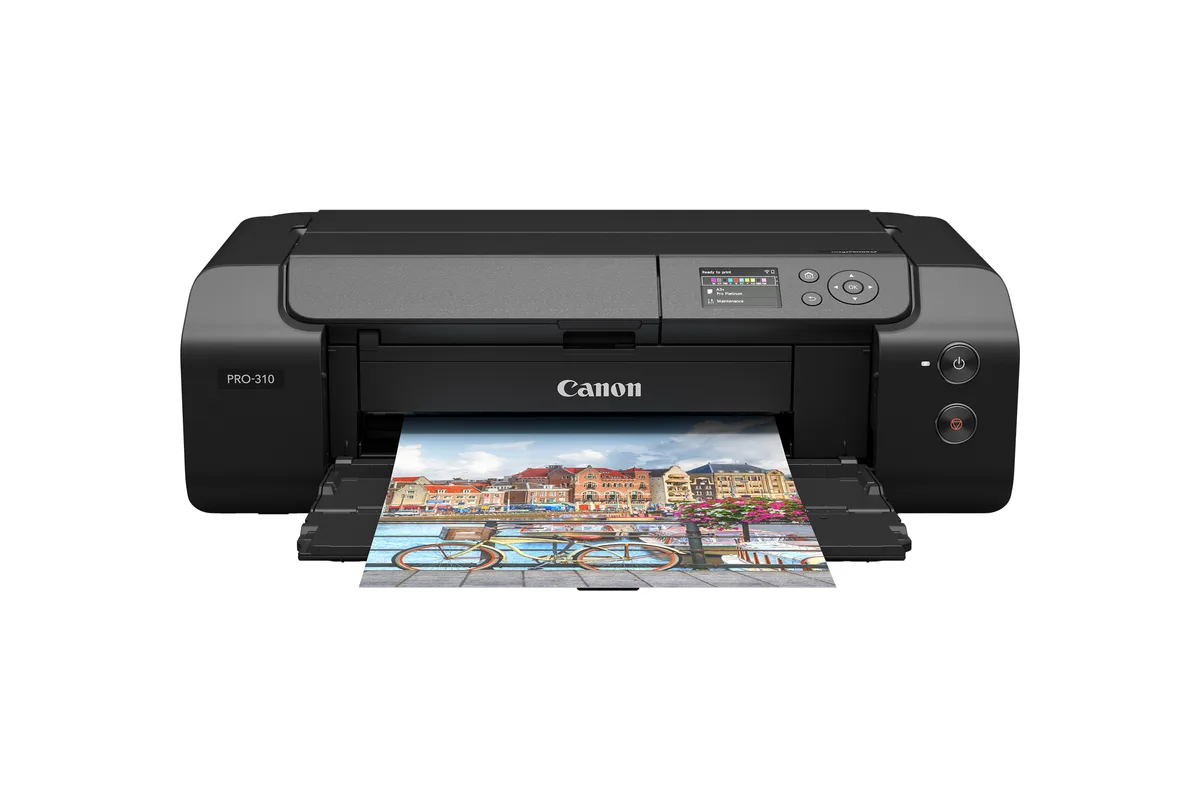
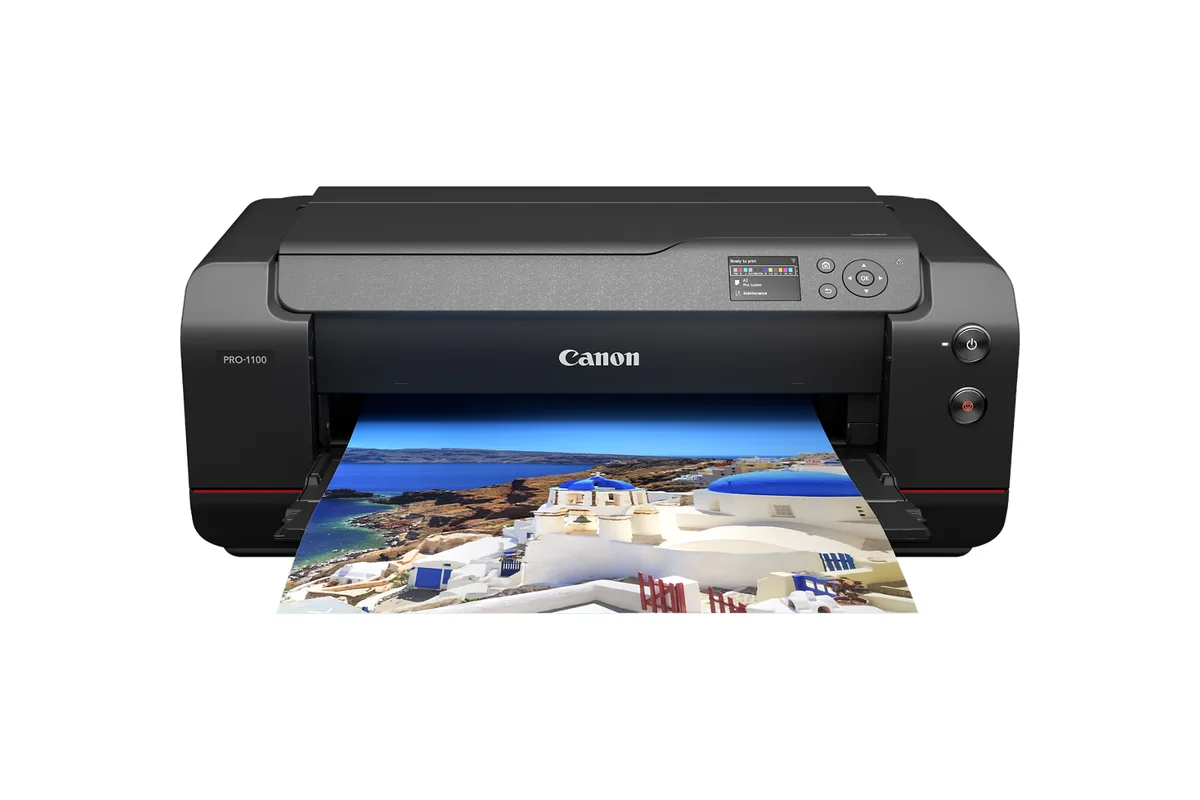
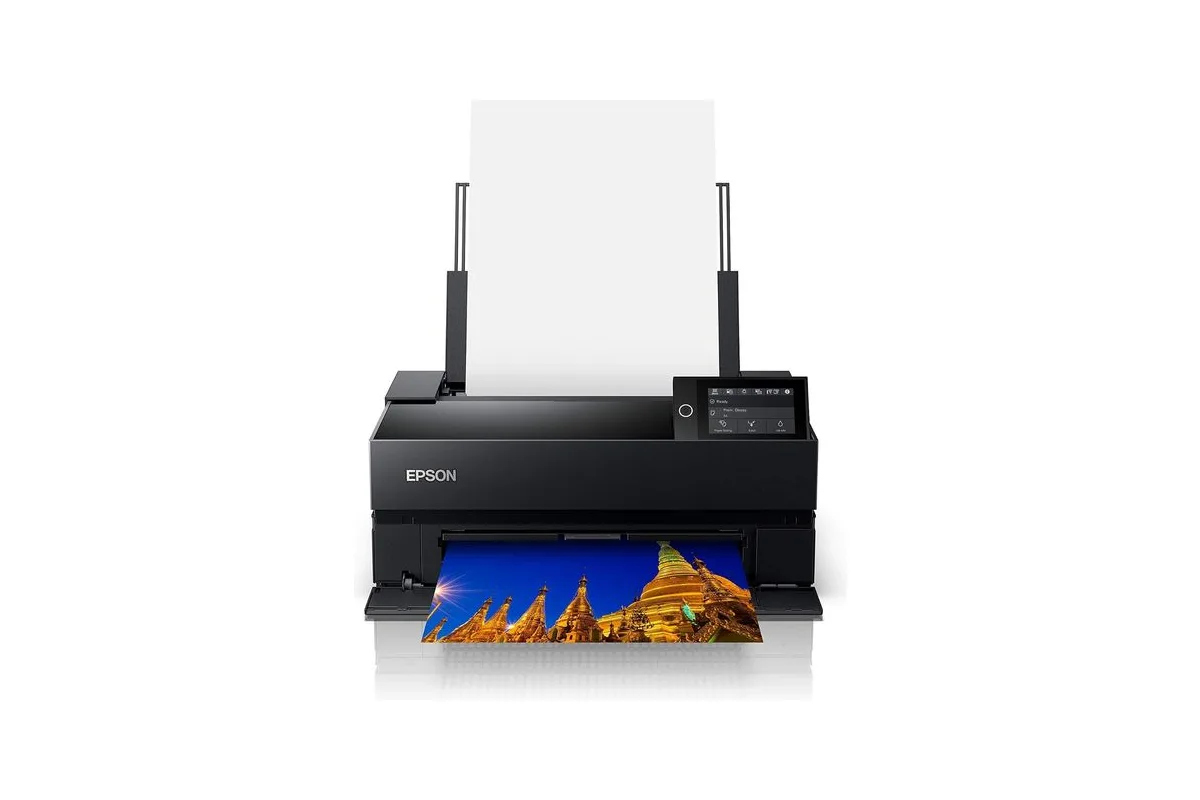
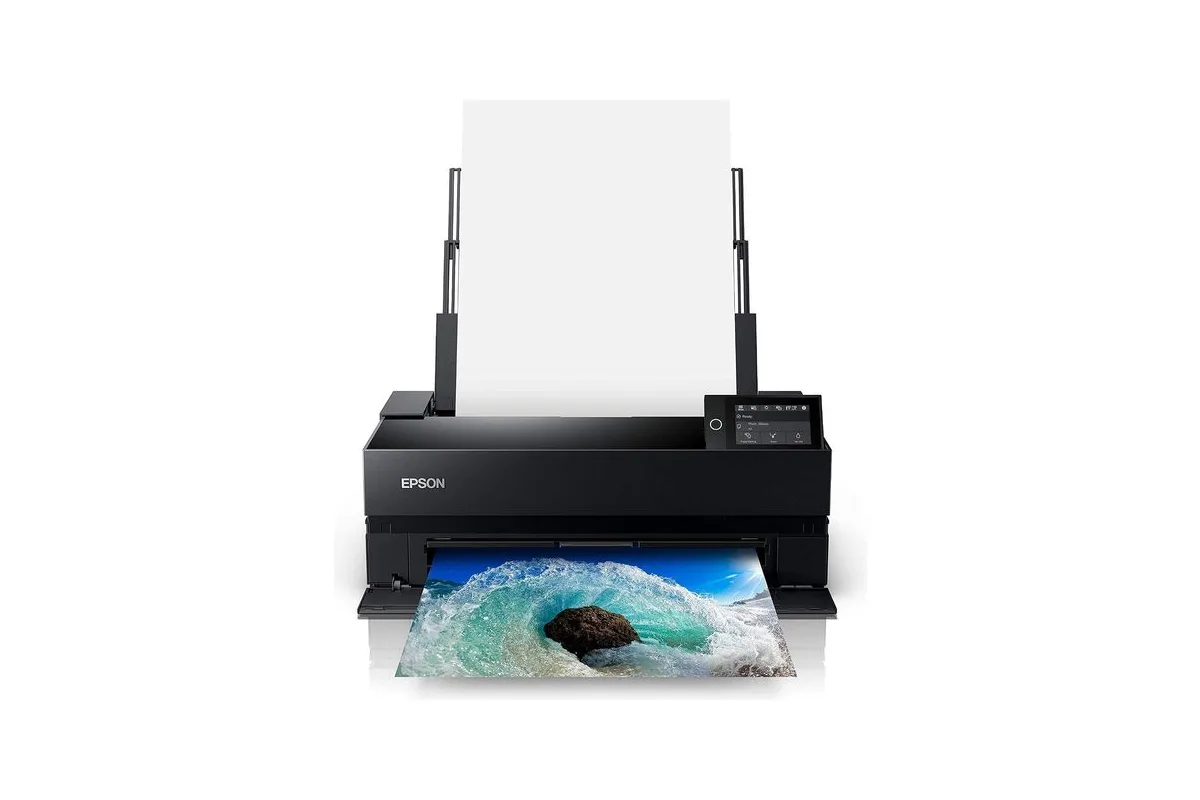
Fine art paper needs a pigment printer with a matte black ink and a thick-paper feed, such as the Canon PRO-310, Canon PRO-1100, Epson P700 or Epson P900. Buy a sample pack before a box: Hahnemühle’s 14-sheet letter sample packs are about $19.95.
Luster vs baryta vs matte rag: what’s the difference?
Luster is plastic-coated photo paper, baryta is a fibre paper with a barium sulphate layer under the coating, and matte rag is cotton with a matte coating and no sheen. Baryta looks and feels like darkroom fibre paper; luster looks like a lab print; matte rag looks like an art print.
| Paper type | What it is | Look | Best for | Per 13x19 sheet |
|---|---|---|---|---|
| Luster (RC) | Paper core sealed in polyethylene, with a microporous coating | Mid sheen, like a lab print | Everyday prints, portraits, proofs | about $2.26–3.00 |
| Pearl or satin cotton | Cotton base with a semi-gloss coating | Between luster and baryta | Fine art color with richer blacks than matte | about $5.60–6.60 |
| Baryta (fibre gloss) | Barium sulphate layer under the inkjet coating, on cotton or alpha-cellulose | Deep blacks, satin to high gloss, heavier and flatter than RC | Black and white, gallery color | about $3.50–7.40 |
| Matte cotton rag | 100% cotton with a matte coating, smooth or textured | No glare, soft blacks | Art reproduction, landscapes, editions | about $3.60–6.30 |
Hahnemühle lays out its glossy range as a scale “from subtle gloss (satin) to mid lustre (pearl) through to high gloss (baryta)”. Matte rag needs the printer’s matte black ink, and even then its blacks are lower in density than a baryta’s. For the basics of glossy, luster and matte RC paper, see our photo paper guide.
Luster or baryta? Choose luster for volume and for anything that will be handled, since it’s cheap and dries instantly. Choose baryta when the print is the product: an exhibition print, a sale print or a black-and-white image where the depth of the blacks matters. Baryta costs up to about three times as much per sheet.
What is the best paper for black and white prints?
A baryta or fibre gloss paper on a pigment printer with gray inks. Baryta gives the deepest blacks and the darkroom look; a matte cotton rag gives a softer, lower-contrast black and white.
- Canson Platine Fibre Rag 310: 100% cotton, smooth satin, no OBAs. Canson pitches its “extremely high Dmax and exceptional grey tones” at black-and-white work.
- Moab Juniper Baryta Rag 305: “a true baryta coating on 100% cotton paper”, with no OBAs. Moab sells it for fine art and black-and-white prints, with a density modeled on darkroom fibre paper.
- Ilford Galerie Prestige Gold Fibre Gloss 310: a “traditional baryta-like surface” on 100% cotton rag with no optical brighteners, made for black and white and color.
- Hahnemühle Photo Rag Baryta 315: high-gloss baryta on cotton with no optical brighteners; Hahnemühle cites deep blacks and contrast.
- Matte black and white: Hahnemühle Photo Rag 308 or Canson Rag Photographique II, printed with matte black ink.
- Budget: Red River Big Bend Baryta 310, a baryta on alpha-cellulose with very low OBAs.
The printer matters as much as the paper. The Epson P700 and P900 have gray and light gray inks and an Advanced Black and White mode. Wilhelm Imaging Research rates their black-and-white prints at more than 400 years framed under glass on the Epson papers it tested. The Canon PRO-310 and PRO-1100 also carry gray inks. An OBA-free paper keeps a stable white, which matters most in black and white, where any shift in the paper tone shows.
What is the best Hahnemühle paper?
Photo Rag 308 for matte and Photo Rag Baryta 315 for gloss. Those two cover most fine art work, and Hahnemühle states both meet the ISO 9706 permanence standard.
| Hahnemühle paper | Weight and base | Surface | OBAs | Best for |
|---|---|---|---|---|
| Photo Rag 308 | 308 gsm, 100% cotton | Matte, light felt texture | Very low (spec sheets; Hahnemühle’s page doesn’t say) | The all-round matte fine art paper |
| Photo Rag Baryta 315 | 315 gsm, 100% cotton | High-gloss baryta | None | Black and white, gallery color |
| Photo Rag Pearl 320 | 320 gsm, 100% cotton | Pearl (mid-lustre) | None | Color with more punch than matte |
| FineArt Baryta 325 | 325 gsm, alpha-cellulose | High-gloss baryta, bright white | Contains OBAs (retailer spec data; Hahnemühle’s page doesn’t say) | Bright, crisp color and black and white |
| William Turner 310 | 310 gsm, 100% cotton | Textured, mould-made watercolour | None | Art reproduction, textured landscapes |
Pick Photo Rag Pearl if Photo Rag Baryta’s high gloss is too much under gallery lights. Pick FineArt Baryta if you want a brighter white and don’t need an OBA-free sheet. Hahnemühle’s FineArt Photo and Glossy FineArt sample packs (8.5x11, 14 sheets) are about $19.95 each and are the cheapest way to compare them.
Which fine art papers are OBA-free?
Optical brightening agents (OBAs) make paper look whiter, but they fade in light, so an OBA-free paper’s white stays stable. That makes OBA-free papers the safer choice for archival work, editions and black and white.
OBA-free, per the paper makers:
- Hahnemühle Photo Rag Baryta, Photo Rag Pearl and William Turner
- Canson Platine Fibre Rag and Rag Photographique II
- Moab Juniper Baryta Rag
- Ilford Galerie Prestige Gold Fibre Gloss
- Red River Palo Duro Etching
- Epson Hot Press Natural and Cold Press Natural (per an older Epson FAQ)
Very low OBA: Hahnemühle Photo Rag 308 (per spec sheets) and Red River Big Bend Baryta.
Contains OBAs: Hahnemühle FineArt Baryta 325 and Photo Rag Bright White, and RC luster papers.
Unclear: Canson Baryta Photographique II (listed as very low in one place and as containing OBAs in another), Epson Hot Press and Cold Press Bright, and Epson Legacy Platine. Don’t treat them as OBA-free.
OBA-free papers look warmer, closer to natural white, next to a bright white sheet. That’s the trade for a white that won’t drift.
How much does fine art paper cost per sheet?
About $1.50–2.70 a letter sheet and $3.50–7.40 a 13x19 sheet, against about $2.26–3.00 for a 13x19 sheet of RC luster. Hahnemühle sits at the top of the range; Red River, Moab, Canson and Epson’s own fine art papers run cheaper.
US prices for 25-sheet packs, the lowest we found on November 25, 2026, cheapest first at 13x19. Per-sheet math is ours (price ÷ sheets).
| Paper | Type | Letter (8.5x11) per sheet | 13x19 per sheet |
|---|---|---|---|
| Red River Big Bend Baryta 310 | Baryta, alpha-cellulose | $1.52 | $3.51 |
| Epson Cold Press Natural | Textured matte cotton | — | $3.56–3.64 |
| Epson Hot Press Natural | Smooth matte cotton | — | $3.64 |
| Red River Palo Duro Etching 315 | Textured matte cotton | $1.47 | $4.01 |
| Moab Juniper Baryta Rag 305 | Baryta, cotton | $1.90 | $4.38 |
| Canson Baryta Photographique II 310 | Baryta, alpha-cellulose | about $1.57–1.72 | about $4.38 |
| Canson Rag Photographique II 310 | Smooth matte cotton | about $2.04 | about $5.39 |
| Canson Platine Fibre Rag 310 | Satin baryta-style, cotton | about $2.12 | about $5.62 |
| Hahnemühle FineArt Baryta Satin 300 | Satin baryta | $2.28 | $6.08 |
| Hahnemühle Photo Rag 308 | Matte cotton | $2.44 | $6.12 |
| Hahnemühle William Turner 310 | Textured matte cotton | $2.44 | $6.28 |
| Hahnemühle Photo Rag Pearl 320 | Pearl cotton | $2.64 | $6.64 |
| Hahnemühle FineArt Baryta 325 | Baryta, alpha-cellulose | — | $6.72 |
| Hahnemühle Photo Rag Baryta 315 | Baryta, cotton | $2.70 | $7.40 |
| Ilford Gold Fibre Gloss 310 | Baryta-like, cotton | about $2.00–2.20 | — |
Moab prices are Moab’s own; Red River prices are Red River’s from October 2026; Hahnemühle and Epson prices are from US camera retailers. Canson and Ilford prices are approximate, from retailer listings we couldn’t open in full. A dash means we didn’t find a current price for that size. Fine art paper prices move with sales, so check before you buy a box.
For what a finished print costs with ink, see the cost of a fine art print.
Which printers can use fine art paper?
Any pigment pro printer with a thick-paper feed. The Epson P700 and P900 have a front path for single sheets up to 1.5 mm thick. The Canon PRO-310’s rear manual slot takes 0.1–0.6 mm and the PRO-1100’s 0.1–0.7 mm. Thick fine art sheets go through those paths one at a time.
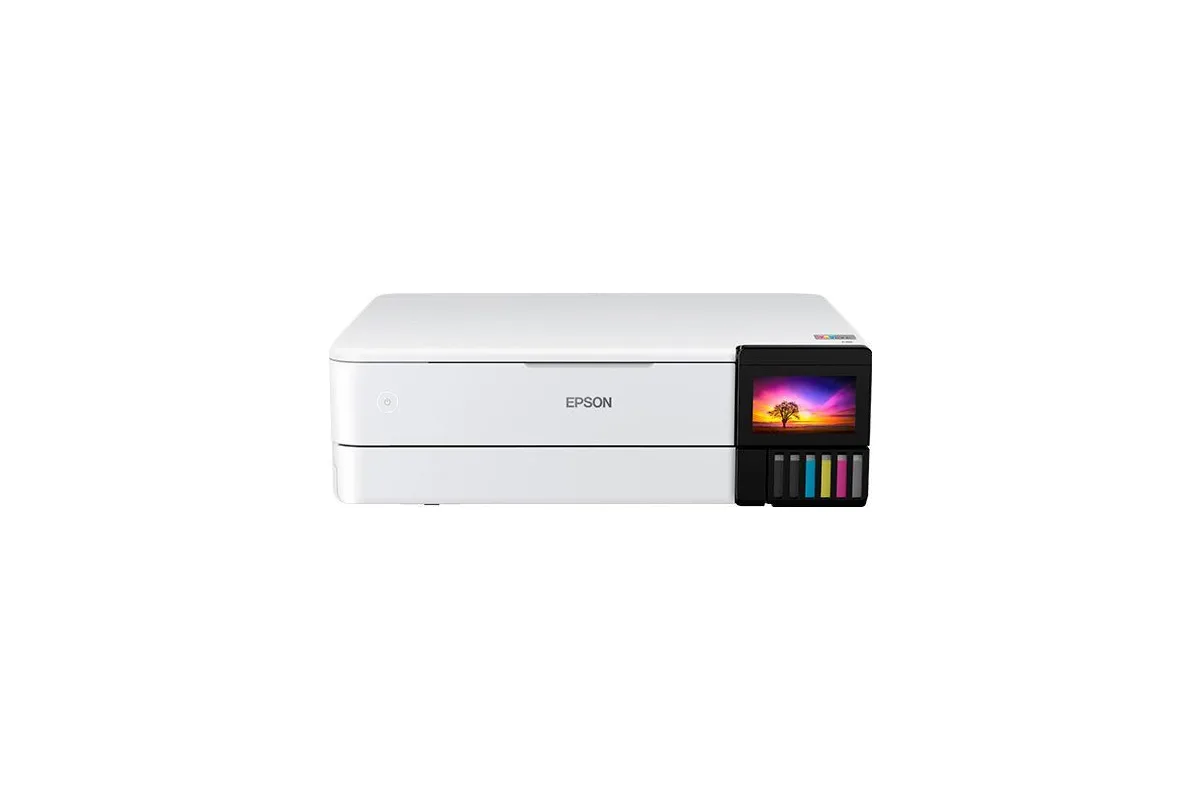
Dye ink-tank printers can feed some fine art papers but have no matte black ink, so matte cotton prints with weaker blacks. The Epson ET-8550 is a good glossy printer, not a fine art one. See dye vs pigment ink.
Whatever the printer, use the paper maker’s ICC profile for that printer and paper, and select the driver media type the profile was made with. Our guide to ICC profiles and soft proofing walks through it.
Questions people ask
What is the best fine art paper for inkjet printers?
Hahnemühle Photo Rag 308 for matte prints and a cotton baryta such as Hahnemühle Photo Rag Baryta or Canson Platine Fibre Rag for glossy prints. Moab Juniper Baryta Rag and Red River Big Bend Baryta are cheaper alternatives.
What is the best paper for black and white prints?
A baryta or fibre gloss paper printed with gray inks: Canson Platine Fibre Rag, Moab Juniper Baryta Rag, Ilford Gold Fibre Gloss or Hahnemühle Photo Rag Baryta. For a soft matte black and white, use Hahnemühle Photo Rag with matte black ink.
What’s the difference between luster and baryta paper?
Luster is resin-coated photo paper with a mid sheen, cheap and quick-drying. Baryta has a barium sulphate layer on a fibre base with no plastic, giving deeper blacks and the feel of darkroom fibre paper, at up to about three times the price.
What is the best Hahnemühle paper?
Photo Rag 308 is Hahnemühle’s best all-round matte paper and Photo Rag Baryta 315 its best gloss for black and white. Photo Rag Pearl suits color with less glare, and William Turner suits textured art reproduction.
Which papers have no optical brighteners?
Hahnemühle Photo Rag Baryta, Photo Rag Pearl and William Turner; Canson Platine Fibre Rag and Rag Photographique II; Moab Juniper Baryta Rag; Ilford Gold Fibre Gloss; Red River Palo Duro Etching; and Epson Hot Press and Cold Press Natural.
Is Hahnemühle Photo Rag OBA-free?
Not quite. Hahnemühle’s page doesn’t state its OBA content, and spec sheets list it as very low. Photo Rag Baryta and Photo Rag Pearl are the Hahnemühle cotton papers with no optical brighteners.
How much does fine art paper cost per sheet?
About $1.50–2.70 for a letter sheet and $3.50–7.40 for a 13x19 sheet in November 2026. Hahnemühle Photo Rag is $2.44 and $6.12; Red River Big Bend Baryta is $1.52 and $3.51.
Do I need a special printer for fine art paper?
You need one that feeds thick paper and has a matte black ink, which in practice means a pigment printer like the Canon PRO-310 or Epson P700. Most fine art sheets go through a single-sheet manual or front feed.
Sources
- Hahnemühle Photo Rag 308, Hahnemühle
- Hahnemühle Photo Rag Baryta 315, Hahnemühle
- Hahnemühle Photo Rag Pearl 320, Hahnemühle
- Hahnemühle Glossy FineArt papers, Hahnemühle
- Moab Juniper Baryta Rag 305, Moab
- Ilford Galerie Prestige Gold Fibre Gloss, ilford.com
- Epson Legacy fine art papers, Epson
- Big Bend Baryta 310 photo paper, Red River Paper
Keep exploring
Buying guide
The best photo booth printers
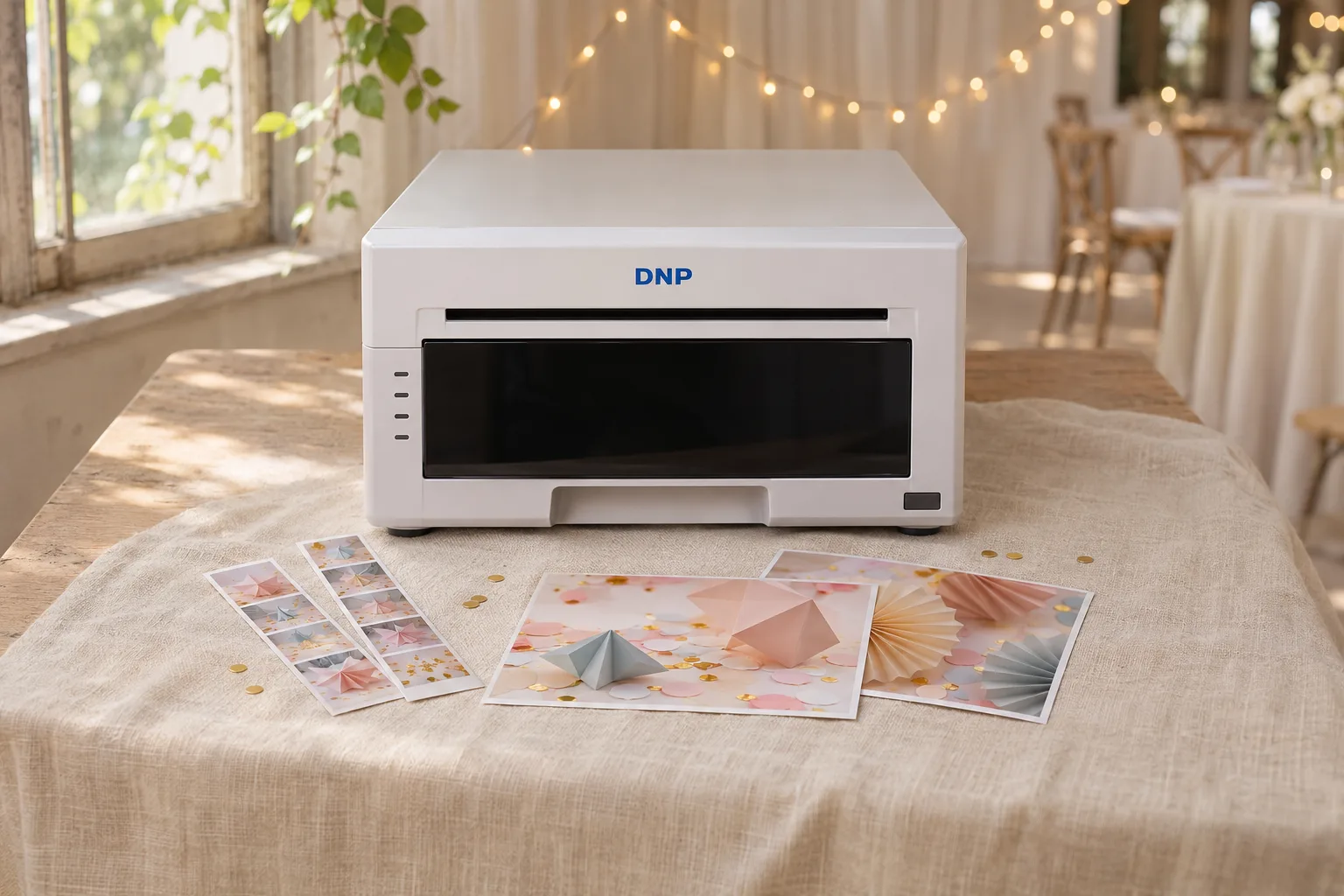
The DNP DS620A is the best photo booth printer: a 4x6 in about 8.3 seconds, 400 prints per roll, 2x6 strips at about 8¢ each in media and a 3-year exchange warranty, for $995 on Black Friday sale in November 2026. The HiTi P525L ($649) costs least to run, at about 11¢ per 4x6.
Read story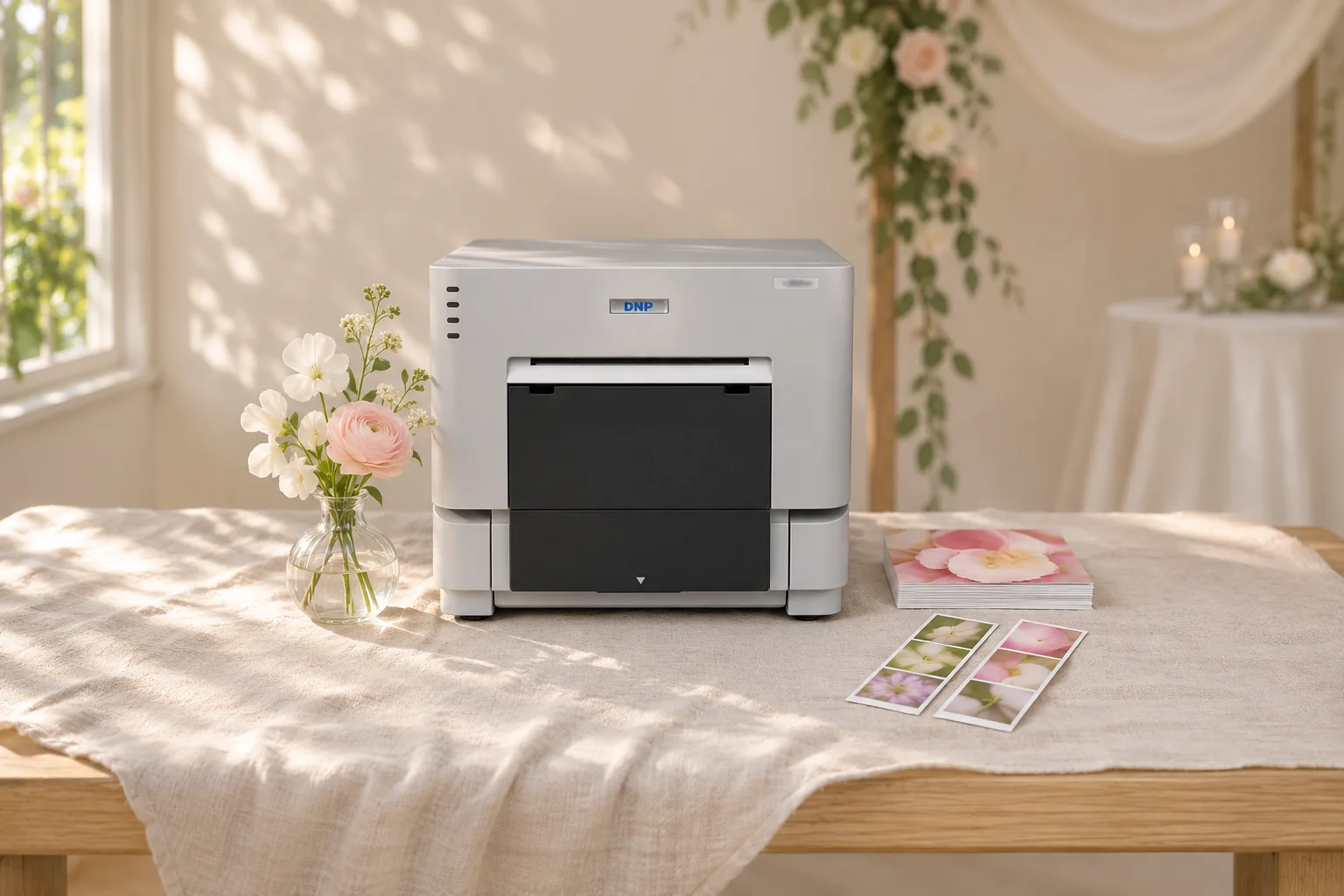
Review
DNP DS-RX1HS review
Not as a new buy: the DNP DS-RX1HS still runs cheaply, at 12.4 seconds per 4x6, 700 prints per roll and about 14¢ of media per 4x6, but new units were unavailable or backordered at $695 in November 2026, and DNP now lists the DP-RX2 ($795) with the same speed and roll size and a 3-year warranty in its place.
Read review