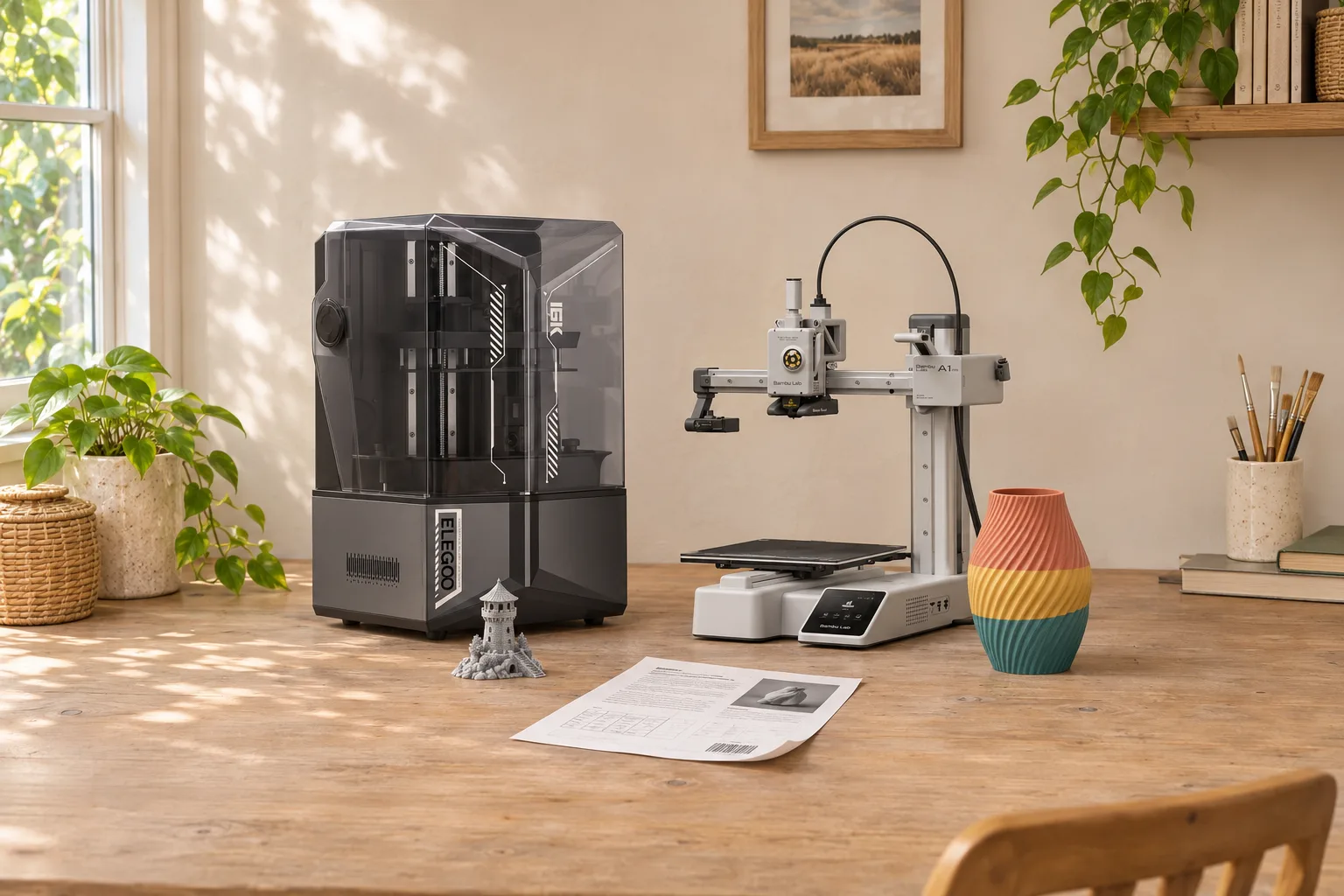
Printers in this guide
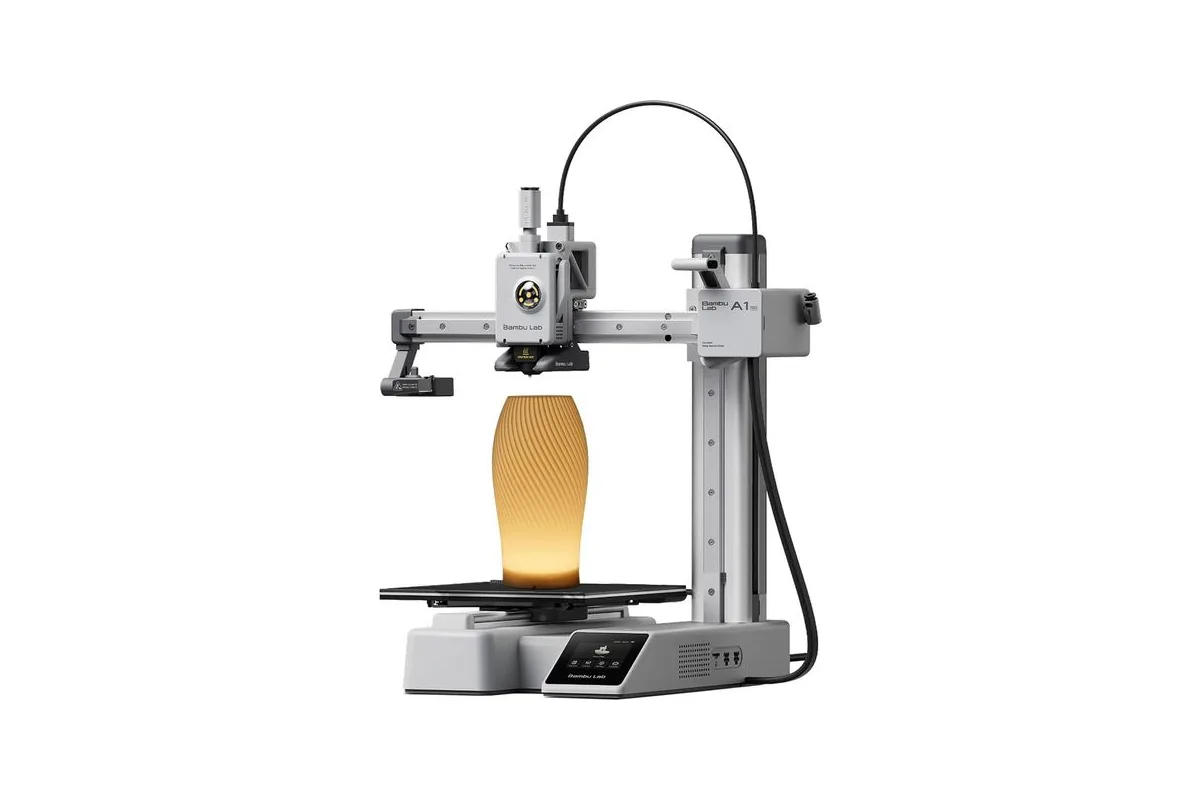
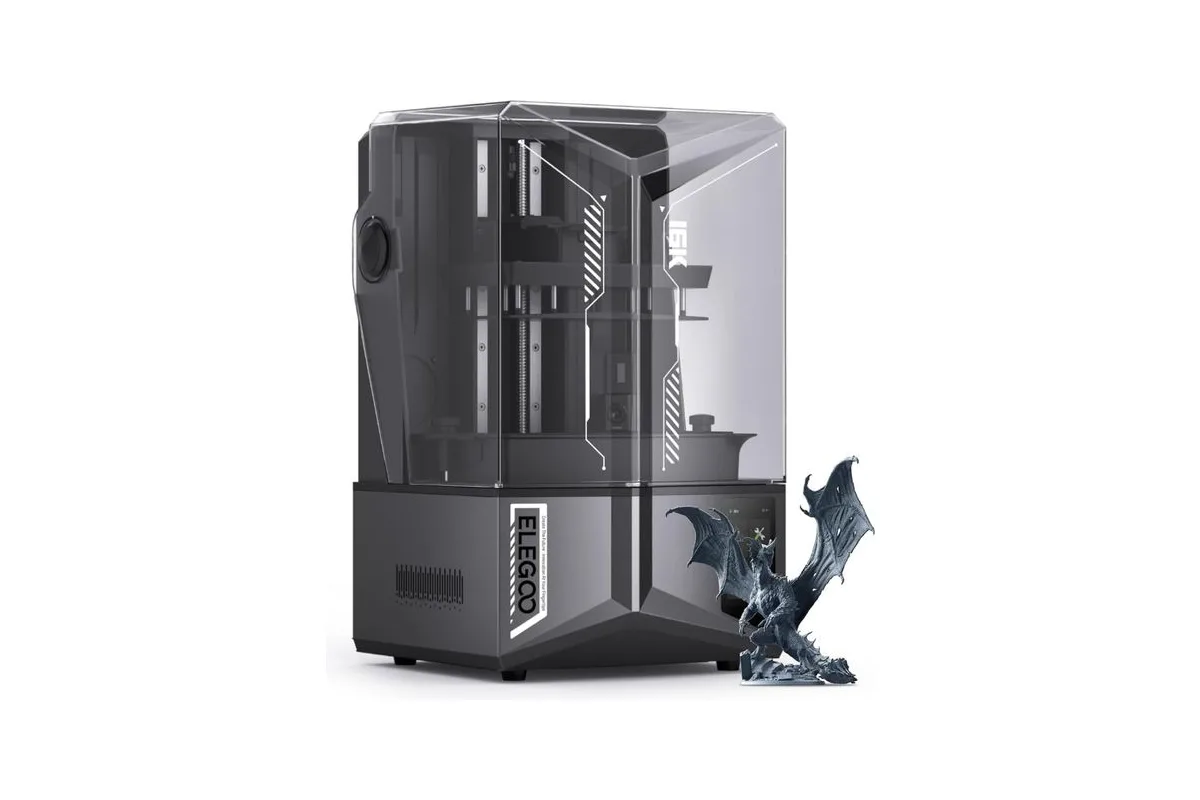
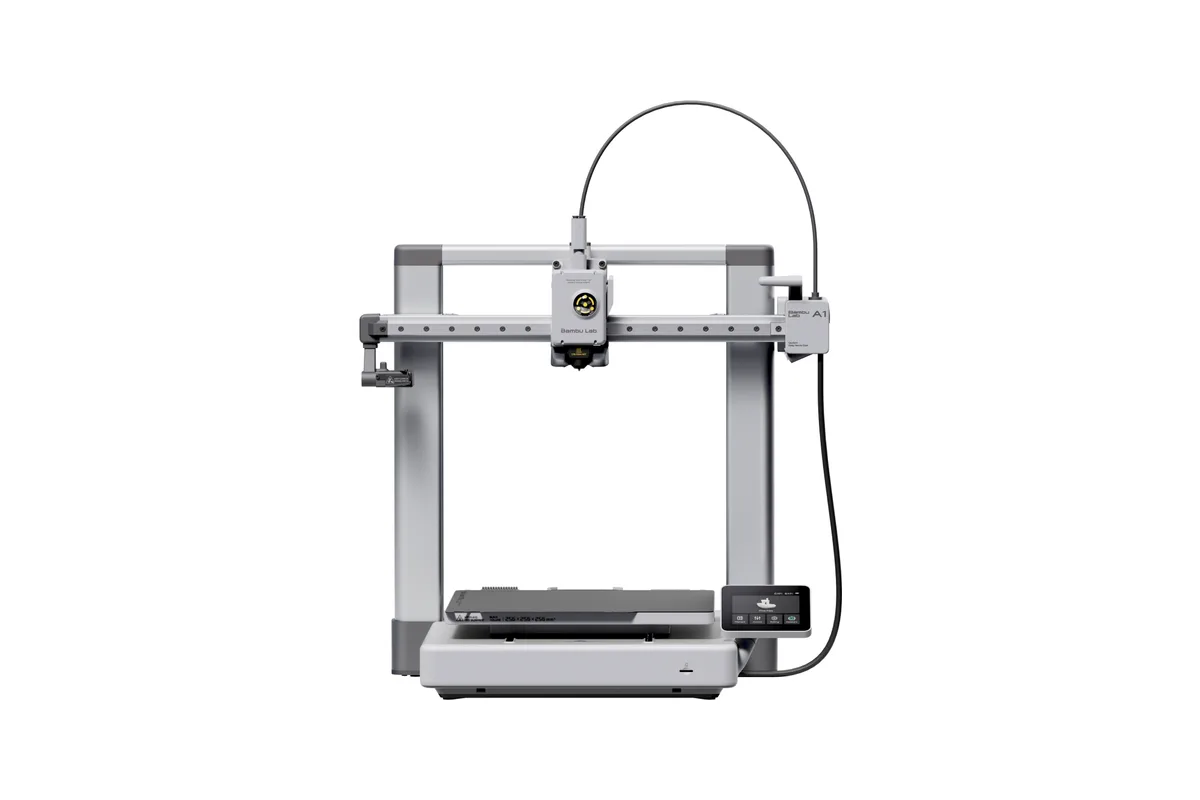
What’s the difference between resin and filament 3D printers?
Filament printers (also called FDM printers) melt a plastic strand and lay it down line by line. Resin printers (MSLA) shine light through an LCD screen onto a vat of liquid resin, curing a whole layer at a time.
That difference decides everything else. Filament printers are cleaner, cheaper to run, print bigger and tougher parts, and are easier to live with. Resin printers capture far finer detail, the kind you need for tabletop miniatures, figurines and jewelry models, but they’re messier, smellier and need washing and curing after every print.
Resin vs filament at a glance
| Filament (FDM) | Resin (MSLA) | |
|---|---|---|
| Detail | Good; visible layer lines | Excellent; near-invisible layers |
| Typical build size | 180–270 mm per side | About 210 x 120 x 220 mm on a 10-inch printer |
| Part strength | Tough (PETG, ABS) or stiff (PLA) | Often brittle unless you use tough resins |
| After printing | Remove supports | Wash in alcohol, cure under UV, remove supports |
| Mess and handling | Clean | Liquid resin; gloves required |
| Fumes | Particles and VOCs, lowest with PLA | VOCs from resin, even when idle |
| Best for | Household parts, toys, cosplay, prototypes | Miniatures, figurines, dental and jewelry models |
| Example printer | Bambu A1 mini, $199 | Elegoo Saturn 4 Ultra 16K, $399 with code |
Which should a beginner buy?
A filament printer. It handles a wider range of projects, needs no chemicals, and today’s self-calibrating printers like the Bambu A1 mini make first prints easy. Buy a resin printer as a first printer only if what you want to make is miniatures or small, highly detailed models. See the best 3D printers.
Is resin printing more dangerous?
It needs more care. Liquid resin is a skin sensitizer, so repeated skin contact can cause an allergy; Formlabs recommends nitrile gloves, not latex, and washing skin with soap and water, not alcohol. Uncured resin gives off VOCs even when the printer is off, so resin printers belong in a ventilated room. The isopropyl alcohol used for washing is flammable. Filament printers also emit particles and VOCs, mostly when printing ABS and least with PLA. See are 3D printers safe?
Which is cheaper to run?
Filament, for most prints. PLA costs about $10 to $25 a kilogram, and a small print uses cents’ worth. Resin costs more per print, and you also go through gloves, alcohol, paper towels and release film. For miniatures, which use only a few grams of resin each, the difference is small. See how much does 3D printing cost?
Questions people ask
Is resin or filament better for miniatures?
Resin. Its fine screens resolve details a fraction of the width of a filament nozzle, so faces and textures come out crisp.
Can a filament printer print miniatures?
Yes, with a small nozzle and fine layers, but the detail won’t match resin. It’s fine for larger figures and terrain.
Are resin prints stronger than filament prints?
Usually not. Standard resin is brittle; tough and flexible resins exist. PETG and ABS filament parts are tougher for functional use.
Do resin printers need ventilation?
Yes. Use a ventilated room away from living spaces, because uncured resin releases VOCs.
What is the best resin printer?
The Elegoo Saturn 4 Ultra 16K. See the best resin 3D printers.
Sources
- Elegoo Saturn 4 Ultra 16K product page, us.elegoo.com
- Bambu Lab A1 mini product page, us.store.bambulab.com
- Formlabs: resin safety FAQ, formlabs.com
- UL Chemical Insights: 3D printing emissions and its impact on human health, chemicalinsights.ul.org
- EPA: researchers continue to study the emissions of 3D printers, epa.gov
Keep exploring

How to
Hardened steel vs brass nozzles, and what nozzle size to use
Brass, or the stainless steel Bambu ships on the A1, is fine for PLA, PETG, ABS, ASA and TPU. Carbon fiber, glass fiber, glow-in-the-dark and sparkle filaments need hardened steel. Use a 0.4 mm nozzle for most prints, 0.6 mm for carbon fiber and big parts, and 0.2 mm for miniatures.
Read story
How to
Can you 3D scan with an iPhone? Yes, but not to tight tolerances
Yes. Any current iPhone can 3D scan objects from photos (photogrammetry), and KIRI Engine's free tier exports STL for printing. Only the iPhone 18 Pro and 18 Pro Max have LiDAR in Apple's current lineup. For parts that must fit, a $359 scanner is about ten times tighter.
Read story