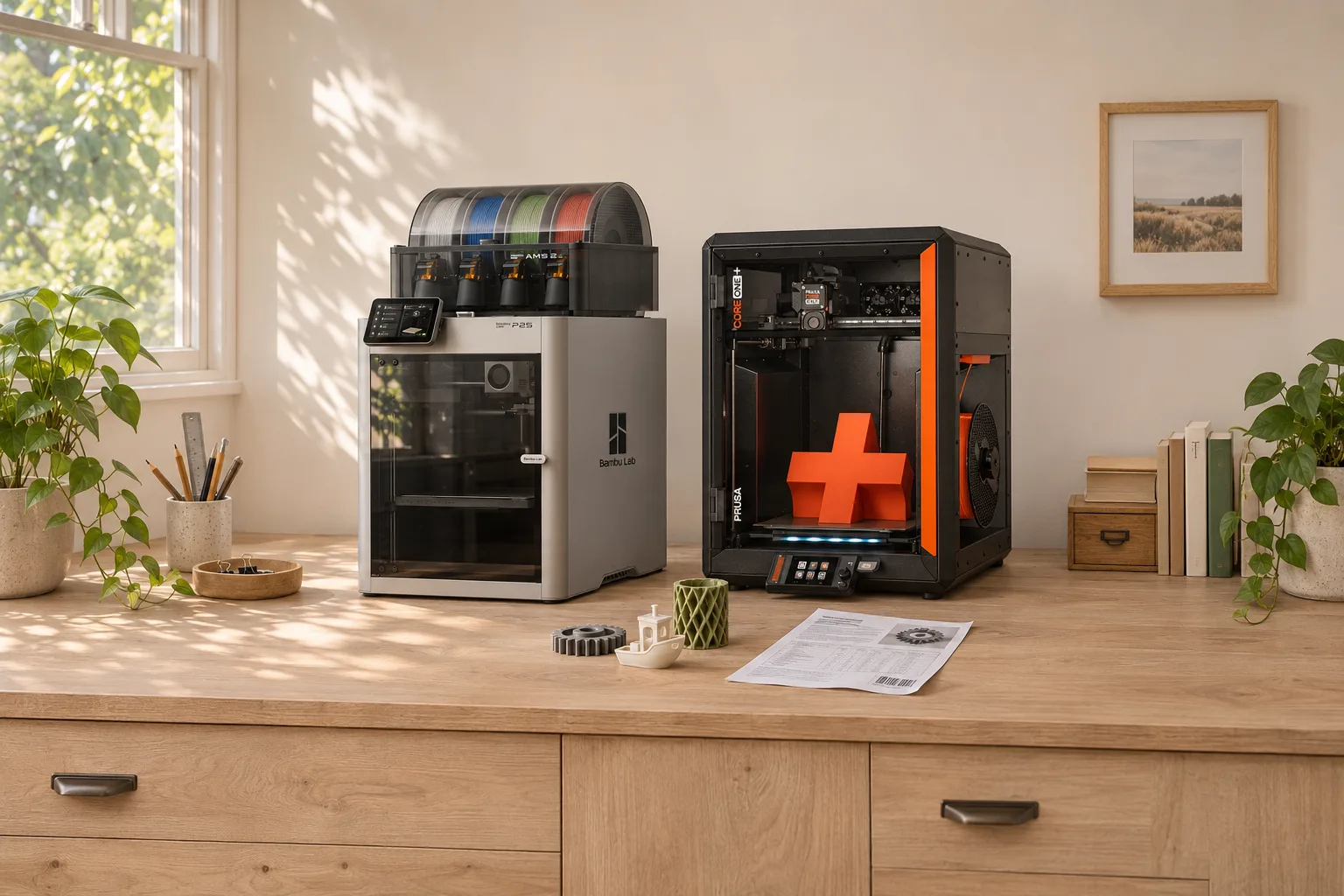
Printers in this guide
Bambu Lab or Prusa: which is better?
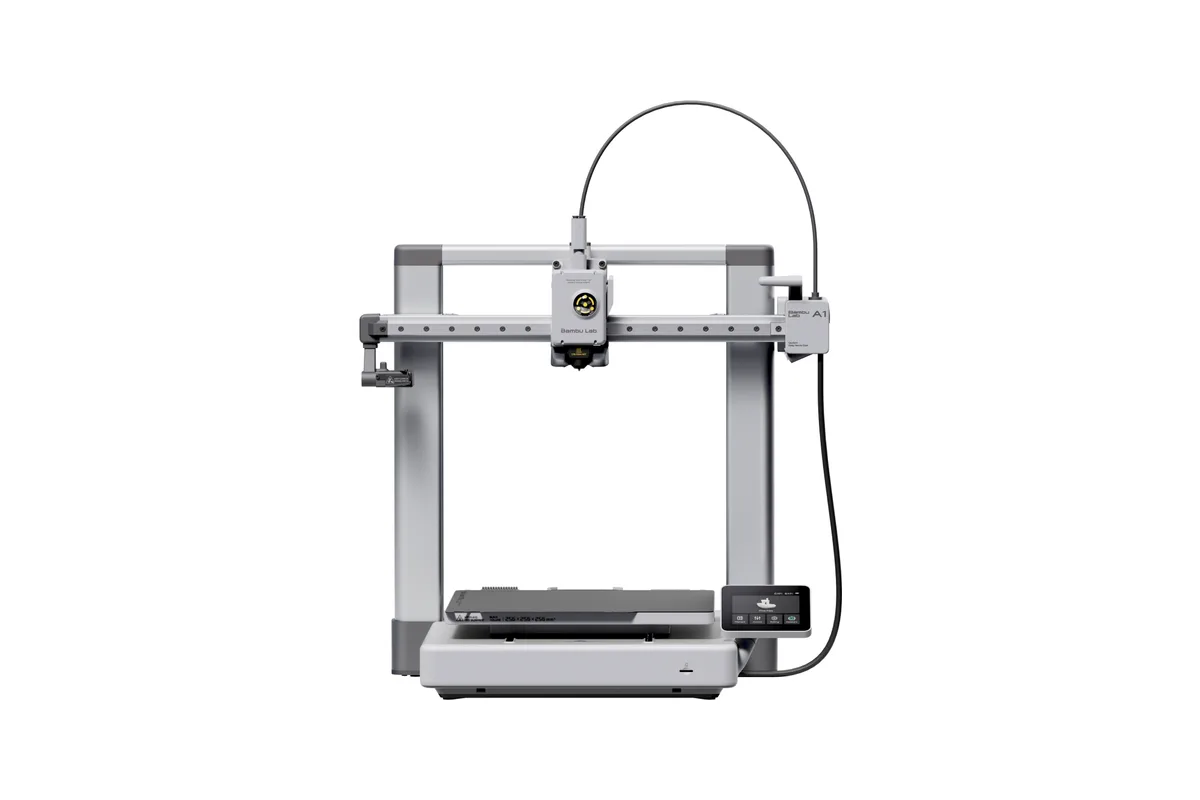
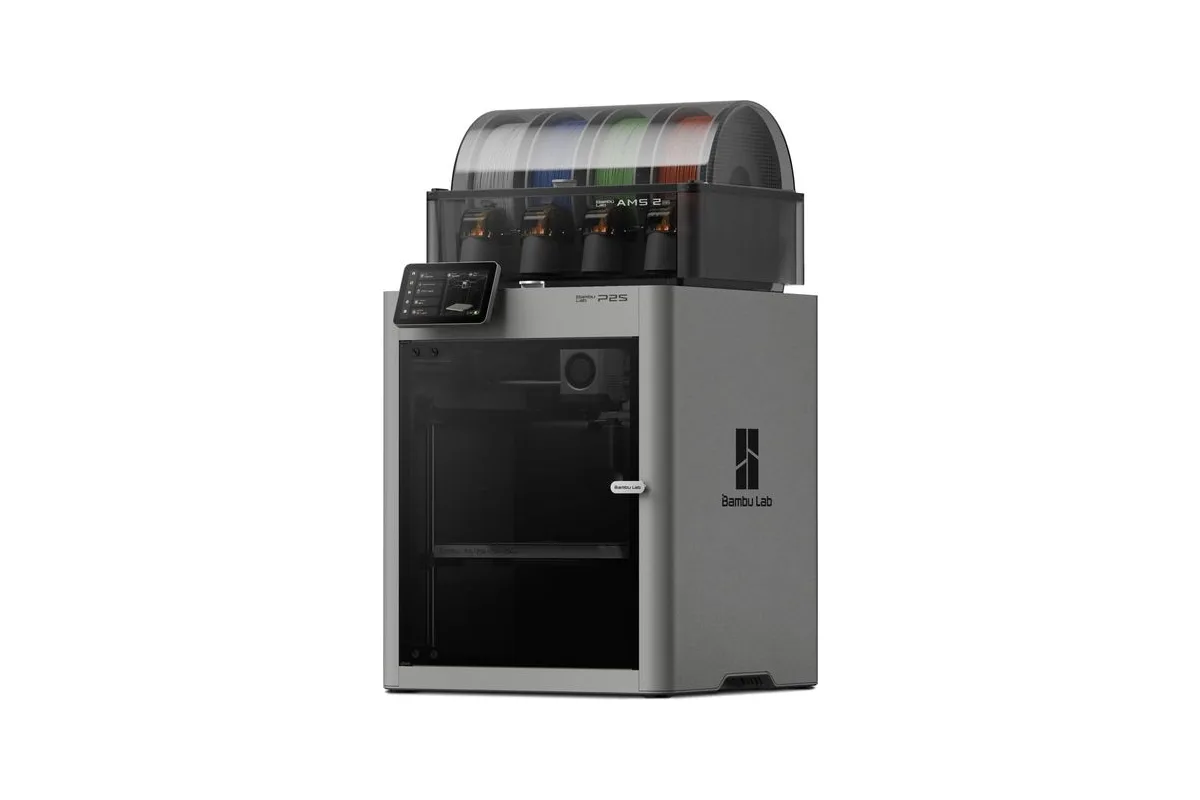
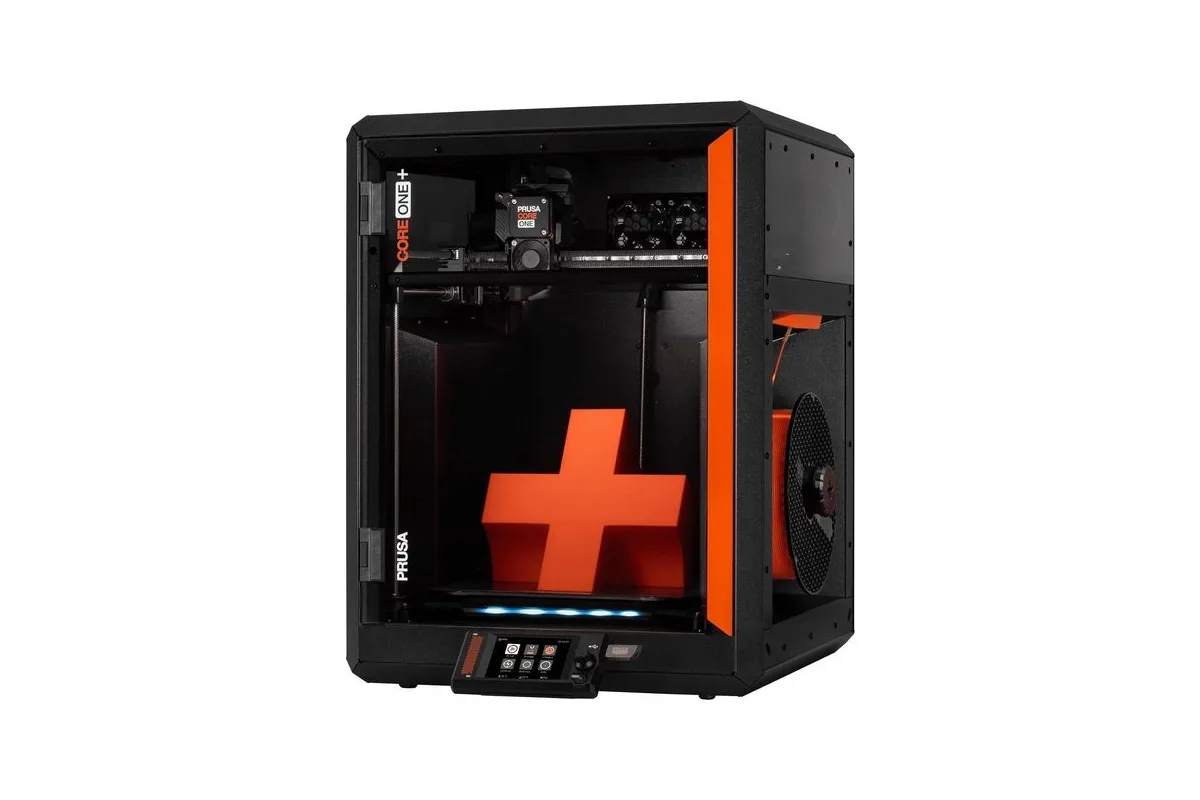
Bambu Lab, for most people. Bambu’s printers are easier to set up, faster, and much cheaper: in November 2026 the self-calibrating Bambu A1 was $259 and the enclosed P2S Combo $649, while Prusa’s MK4S was $999 assembled and its enclosed CORE One+ $1,299. Bambu’s software and MakerWorld library also make it the easiest way to start.
Prusa is better if openness and independence matter to you. Its firmware and slicer are open source, its printers are designed to be repaired with a screwdriver and printed spare parts, they work fully offline with no account, and they’re built in Prusa’s own factories in Prague and Delaware.
Bambu Lab vs Prusa at a glance
| Bambu Lab | Prusa | |
|---|---|---|
| Entry price (Nov 2026) | $199 (A1 mini) | $549 (MINI+ bundle) |
| Enclosed CoreXY | From $349 (P1S) | $1,299 assembled, $999 kit (CORE One+) |
| Ease of setup | Fully automatic, very easy | Easy, with more to learn |
| Firmware | Closed | Open source |
| Slicer | Bambu Studio (open source, AGPL) | PrusaSlicer (open source) |
| Cloud | Optional for printing; needed for remote app features | Optional; fully offline-first |
| Repairability | Spare parts sold; some proprietary parts | Designed for repair; printable parts; published CAD |
| Multicolor | AMS lite / AMS 2 Pro; tool changers on high-end models | MMU3; INDX tool changer (about $749 to upgrade, $2,249 assembled 8-tool) |
| Where made | China | Czech Republic and USA |
| US warranty | 2 years from Bambu’s store | 1 year (extendable) |
Sources: the makers’ stores and support pages, read November 24, 2026.
Which is easier for beginners?
Bambu. Its printers calibrate everything automatically, and the Bambu Handy app and MakerWorld let you print a ready-made model in a few taps. Prusa’s printers are reliable and well documented, and PrusaSlicer is excellent, but they ask a little more of you, and they cost more.
Which is more reliable?
Both make reliable printers. Bambu’s 2024 A1 heatbed-cable recall is the only 3D printer recall in the US Consumer Product Safety Commission’s database, and it was fixed. Prusa’s advantage is long-term ownership: open firmware, published designs and printable spare parts mean a Prusa can be kept running for years without depending on the company’s cloud or roadmap. Prusa says its printers average about 800 print hours between maintenance.
Is Bambu Lab’s cloud a problem?
For most people, no. Bambu printers print from a microSD card or over your local network in LAN mode without an account. But some features use Bambu’s cloud, and in 2025 Bambu added authorization controls that limit third-party tools. If you want a printer that never depends on a company’s servers, Prusa is the clearer choice. See can you use a Bambu Lab printer offline?
Which should you buy?
- Most beginners: Bambu Lab A1 ($259).
- Enclosed, for ABS and ASA: Bambu Lab P2S Combo ($649).
- Open source, repairable and offline: Prusa CORE One+ ($1,299 assembled or $999 kit).
See the best 3D printers.
Questions people ask
Is Prusa better than Bambu Lab?
For openness, repairability and offline use, yes. For price, speed and ease of use, Bambu Lab is ahead.
Why are Prusa printers so expensive?
They’re built in Prusa’s own factories in Prague and Delaware, and come with open designs and long-term parts support.
Is Bambu Studio based on PrusaSlicer?
Bambu Studio is open source under the AGPL, and descends from the same open-source slicer family as PrusaSlicer.
Does Prusa need the cloud?
No. Prusa printers work over USB or the local network with PrusaLink. Prusa Connect is optional and can run locally.
Which brand has the better warranty?
Bambu gives 2 years on printers bought from its US store; Prusa gives 1 year in the US, with paid extensions.
Sources
- Prusa: open source at Prusa Research, prusa3d.com
- Prusa: the state of open source in 3D printing in 2023, blog.prusa3d.com
- Prusa CORE One Gen 2 announcement, blog.prusa3d.com
- Prusa warranty, help.prusa3d.com
- Prusa Connect, prusa3d.com
- Prusa INDX orders open, blog.prusa3d.com
- Bambu Lab: updates and third-party integration with Bambu Connect, blog.bambulab.com
- Bambu Lab: setting the record straight on cloud access and community, blog.bambulab.com
- Bambu Lab P2S launch post, blog.bambulab.com
Keep exploring

How to
Hardened steel vs brass nozzles, and what nozzle size to use
Brass, or the stainless steel Bambu ships on the A1, is fine for PLA, PETG, ABS, ASA and TPU. Carbon fiber, glass fiber, glow-in-the-dark and sparkle filaments need hardened steel. Use a 0.4 mm nozzle for most prints, 0.6 mm for carbon fiber and big parts, and 0.2 mm for miniatures.
Read story
How to
Can you 3D scan with an iPhone? Yes, but not to tight tolerances
Yes. Any current iPhone can 3D scan objects from photos (photogrammetry), and KIRI Engine's free tier exports STL for printing. Only the iPhone 18 Pro and 18 Pro Max have LiDAR in Apple's current lineup. For parts that must fit, a $359 scanner is about ten times tighter.
Read story