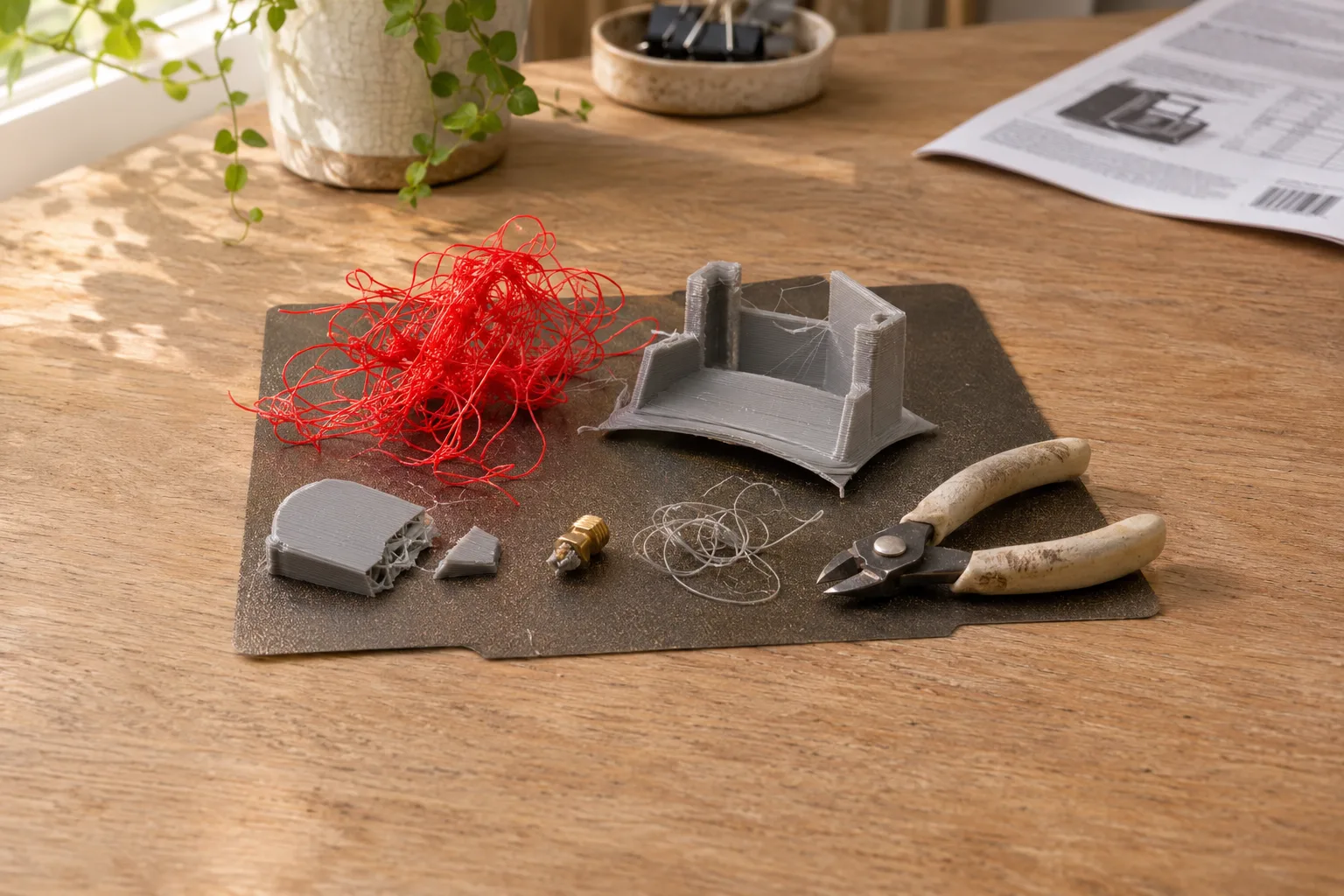
Printers in this guide
Which 3D printers should you avoid?
Avoid old kit printers whose firmware may lack thermal runaway protection, printers that make you level the bed by hand, and discontinued models that aren’t deeply discounted. Recalls aren’t the main risk: the US Consumer Product Safety Commission’s database lists only one 3D printer recall, the 2024 Bambu Lab A1, about 12,800 units with a heatbed cable that could spark, and Bambu fixed it.
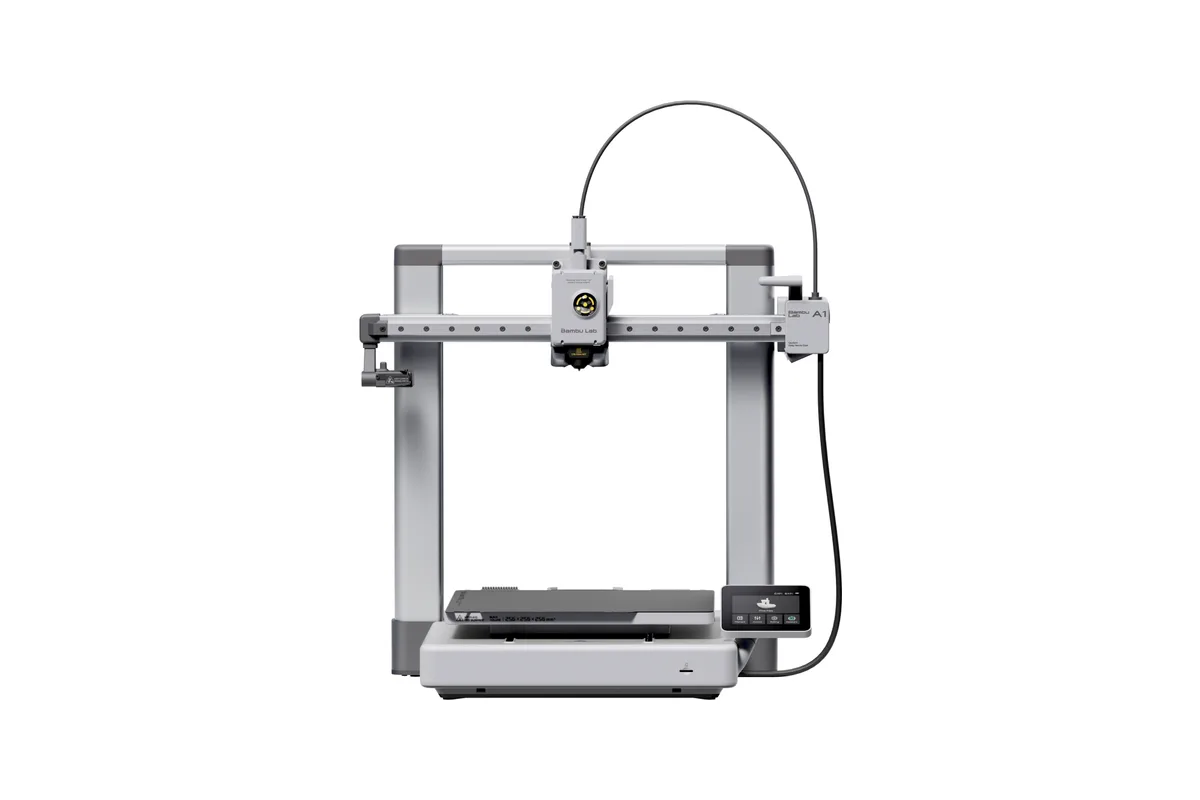
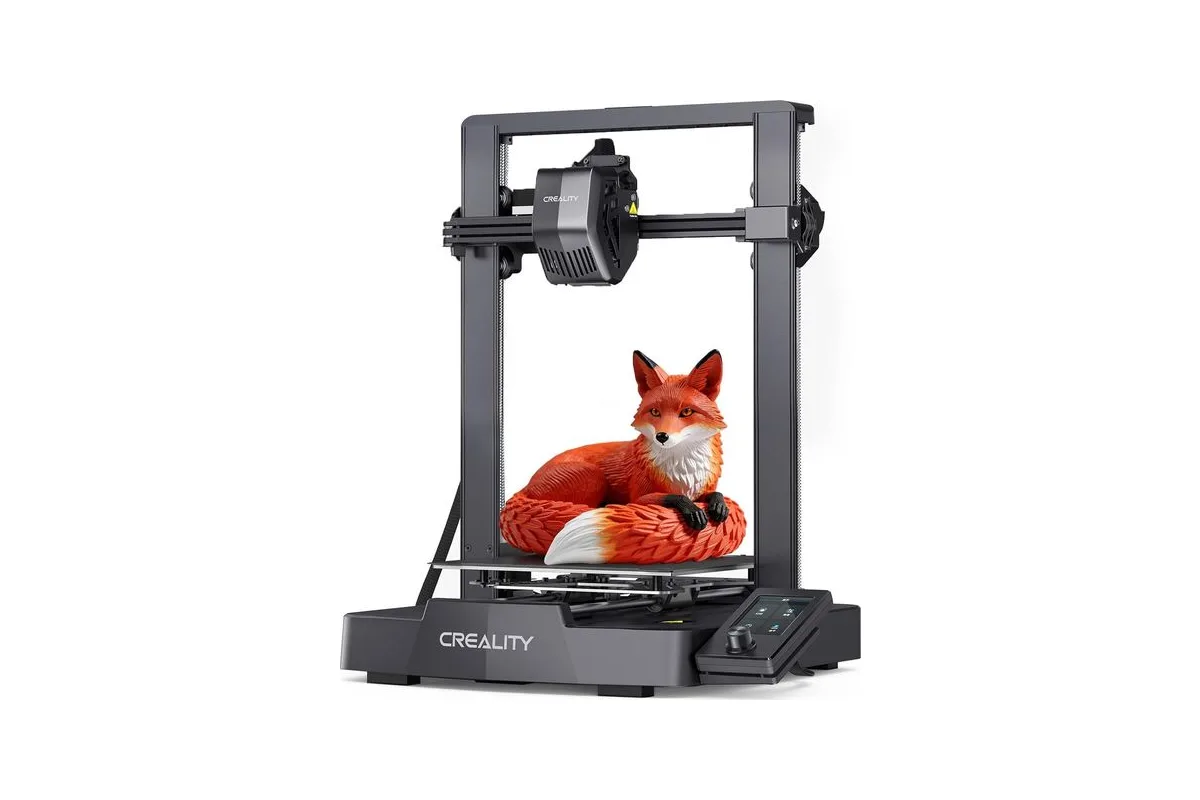
For most people, the safe choice is a current, self-calibrating printer from a big maker. The Bambu Lab A1 ($259 in November 2026) is the easiest; the Creality Ender-3 V3 SE ($169) is the cheapest worth buying.
The red flags at a glance
| Avoid | Why | Buy instead |
|---|---|---|
| Old kit printers, especially used | Firmware may not cut the heater when something fails | Any current model from Bambu, Prusa, Creality, Elegoo or Anycubic |
| Manual bed leveling | The most common cause of failed first prints | Ender-3 V3 SE ($169), auto leveling |
| End-of-line models at near-full price | Updates and parts wind down | The current model, often for similar money |
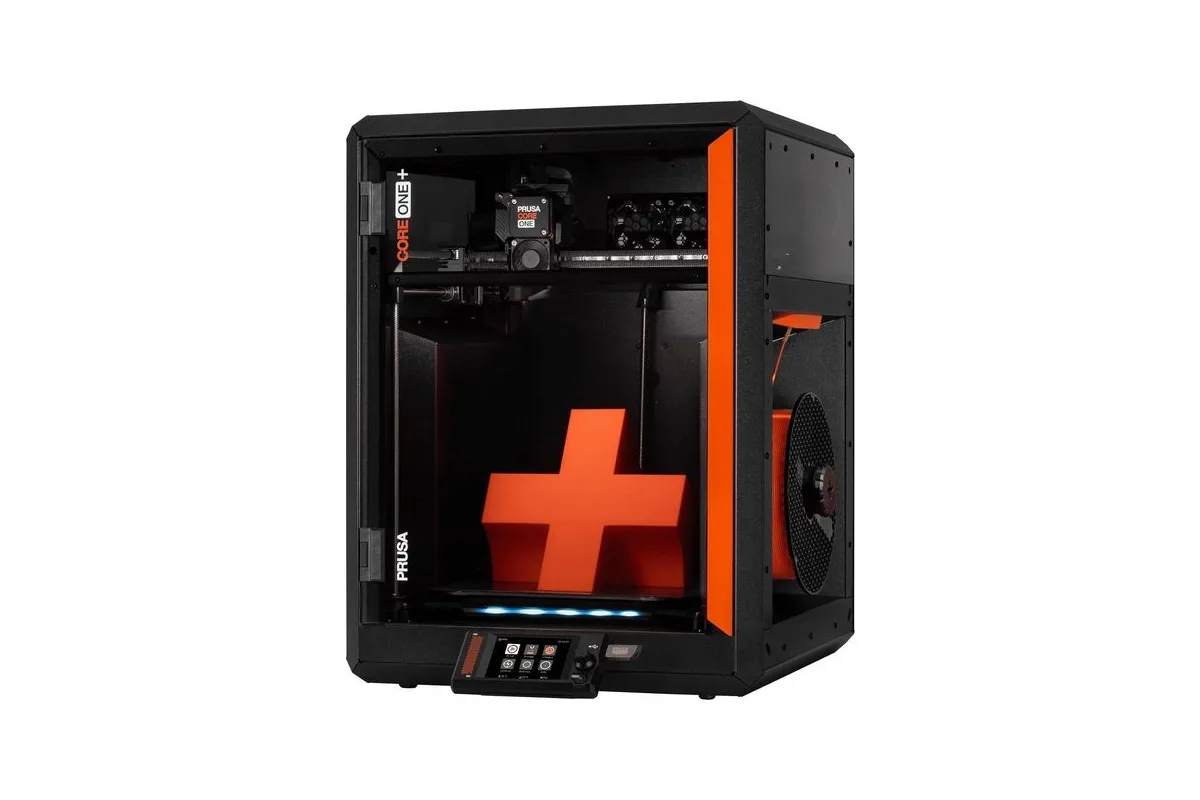
| A closed ecosystem, if you want to tinker | Locked firmware, account-gated updates, chipped spools | Prusa CORE One+ ($1,299), open source |
| A resin printer in a living space | Liquid resin is a skin sensitizer and gives off fumes even when idle | A filament printer, printing PLA |
Has any 3D printer been recalled?
One, in the US: the Bambu Lab A1. CPSC recall 24-264, announced June 13, 2024, covered about 12,800 A1 printers sold from December 2023 to January 2024 at Micro Center and Bambu’s US store. A bent or damaged heatbed cable could short-circuit and spark or burn through its insulation. There were 19 reports of damaged cables, one of them sparking, and no injuries. Bambu offered a full refund or a free heatbed and cable replacement.
As of November 25, 2026, CPSC’s recall database had no other 3D printer recall: nothing from Creality, Elegoo, Anycubic, Prusa or Flashforge.
The A1 is still worth buying new. If you buy a used one, check the serial number on the QR sticker on the back: CPSC says recalled units have “A” as the sixth character. Ask whether it had the heatbed replaced. See should you buy a used 3D printer?
1. Old kit printers without thermal runaway protection
This is the real fire risk. Thermal runaway protection is firmware that switches the heater off when the temperature doesn’t respond as it should. Without it, as the Marlin firmware notes explain, a thermistor that falls out reads the cooler room air, “and the firmware will keep the heater on.”
Old, cheap kit printers are where to watch for it. In a 2018 fire, an Anet A8’s heater cartridge came loose from its heat block and the printer’s stock firmware didn’t shut the heater off. Kits like that still turn up second-hand for very little money.
If you’re offered an old kit printer, pass, or budget for current firmware with thermal protection turned on and a check by someone who knows the machine. Better still, buy a current model from a major brand.
2. Printers with manual bed leveling, if you’re a beginner
There’s no reason to put up with it in 2026. Leveling by hand means turning knobs under each corner until the nozzle sits the same paper-thin height everywhere, and getting it wrong is the classic reason first prints fail. The Ender-3 V3 SE levels itself for $169, and Bambu’s A1 mini ($199) and A1 calibrate everything automatically. Skip manual-leveling models, even cheap ones. See the best cheap 3D printers.
3. Discontinued models, unless the discount is real
An end-of-line printer can be a fine buy at a deep discount, but its firmware updates and spare parts will eventually stop. Check before you buy:
- Creality K1C: sold out at Creality’s US store in November 2026 and missing from Creality’s printer lineup, though Amazon still had it at $368.99. The enclosed Creality K2 Combo ($449) has a bigger 260 mm build volume and four colors.
- Bambu Lab P1P: Bambu ended it on February 10, 2026. The enclosed P1S, by contrast, is still sold, and Bambu says it remains “fully supported.”
- Sovol SV06: no longer in Sovol’s printer lineup.
A printer that’s simply older isn’t the same as unsupported: the P1S is an aging design that Bambu still sells and supports.
4. Closed ecosystems, if you want to tinker
Fine for most people, frustrating for tinkerers. A closed printer works well out of the box, but limits what you can change later:
- Bambu Lab: firmware is closed. In January 2025 Bambu began rolling out firmware, starting with the X1 series, that requires its authorization to start prints and control the printer; after updating, third-party tools such as Home Assistant can only monitor status. Bambu says the update is optional. Bambu offers Bambu Connect for other slicers and an optional Developer Mode, and its printers print fully offline over LAN or from a microSD card. See can you use a Bambu Lab printer offline?
- Anycubic Kobra X: its firmware is signed, so the community firmware that runs on other Anycubic printers can’t be installed, and its RFID reader reads only Anycubic spools. On the Kobra S1, firmware updates need an Anycubic account.
- Toybox: the printer works without a subscription, but AI tools and exclusive toys need Toybox Pro at $20 a month, and Toybox only guarantees results with its own PLA.
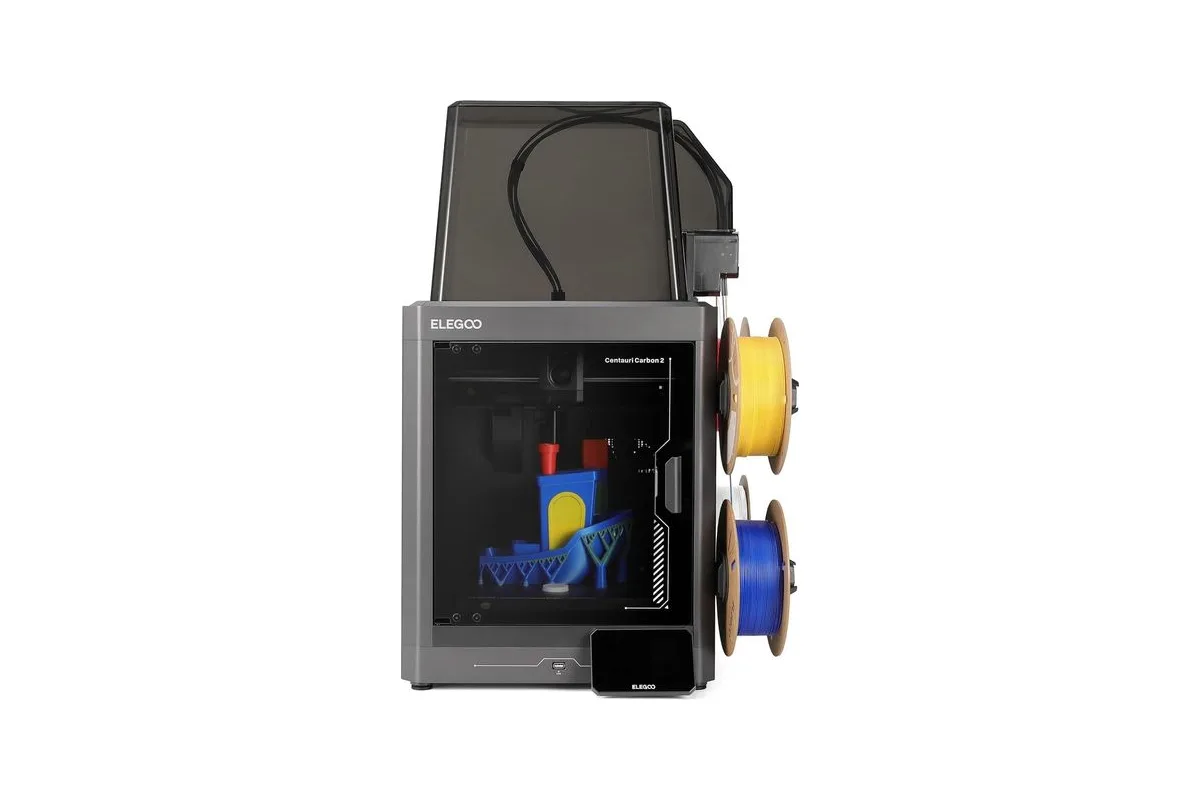
If openness matters, the Prusa CORE One+ ($1,299 assembled, $999 as a kit) has open-source firmware and slicer and never needs an account. Elegoo publishes firmware source for the Centauri Carbon 2 ($369 Combo).
5. A resin printer, if it would live in a living space
Resin printers print finer detail, but liquid resin is a skin sensitizer: Formlabs says repeated contact can cause an allergy, and recommends nitrile gloves. Uncured resin also gives off fumes even when the printer is idle. Unless you have a ventilated garage or workshop, start with filament. See resin vs filament 3D printers and are 3D printers safe?
Check the warranty before you buy
| Maker | Printer warranty (US) | Note |
|---|---|---|
| Bambu Lab | 2 years | Bought from Bambu’s US or Canada store; other retailers may get 1 year |
| Prusa | 1 year | Nozzles, sheets and belts are consumables |
| Creality | 12 months | Wear parts such as nozzles, plates and belts: 3 months |
| Anycubic | 1 year | Hotend 3 months, heated bed 6 months |
Questions people ask
Which 3D printer brand should I avoid?
No major brand is a clear avoid. Bambu, Prusa, Creality, Elegoo, Anycubic and Flashforge all sell good current printers. Avoid specific old or discontinued models, and unknown brands with no US support.
Is the Bambu Lab A1 safe after the recall?
Yes. The 2024 recall covered units sold from December 2023 to January 2024, and Bambu replaced their heatbeds or refunded owners. Check that a used A1 isn’t an unrepaired recalled unit.
Should I buy an older Ender-3?
Only if it’s nearly free and you enjoy tinkering. The current Ender-3 V3 SE ($169) levels its bed automatically and has a direct-drive extruder; check that any older model you’re offered has automatic leveling, or expect to level it by hand.
Are Amazon 3D printers safe to buy?
Current models from major brands sold by the maker or Amazon are. Check who the seller is: Bambu’s 2-year US warranty covers printers bought from its own store, and other retailers may get only 1 year.
Sources
- CPSC: Bambu Lab recalls A1 3D printers (Recall 24-264), cpsc.gov
- SaferProducts.gov recall database: titles containing 3D, saferproducts.gov
- Bambu Lab: A1 recall update, blog.bambulab.com
- Marlin firmware Configuration.h: thermal protection, github.com
- Hackaday: 3D printer halts and catches fire (Anet A8), hackaday.com
- Creality K1C product page, store.creality.com
- Bambu Lab forum: P1P end of life, forum.bambulab.com
- Bambu Lab P2S launch post (P1S stays supported), blog.bambulab.com
- Bambu Lab: firmware update introducing authorization control, blog.bambulab.com
- Bambu Lab: updates and third-party integration with Bambu Connect, blog.bambulab.com
- Rinkhals community firmware: supported Anycubic models, github.com
- Sovol 3D printers, sovol3d.com
- Toybox Pro membership, toybox.com
- Formlabs: resin safety FAQ, formlabs.com
- Bambu Lab forum: warranty changes (US and Canada), forum.bambulab.com
- Prusa: warranty, help.prusa3d.com
- Creality US return and warranty policy, store.creality.com
- Anycubic after-sales service and refund policy, store.anycubic.com
Keep exploring

How to
Hardened steel vs brass nozzles, and what nozzle size to use
Brass, or the stainless steel Bambu ships on the A1, is fine for PLA, PETG, ABS, ASA and TPU. Carbon fiber, glass fiber, glow-in-the-dark and sparkle filaments need hardened steel. Use a 0.4 mm nozzle for most prints, 0.6 mm for carbon fiber and big parts, and 0.2 mm for miniatures.
Read story
How to
Can you 3D scan with an iPhone? Yes, but not to tight tolerances
Yes. Any current iPhone can 3D scan objects from photos (photogrammetry), and KIRI Engine's free tier exports STL for printing. Only the iPhone 18 Pro and 18 Pro Max have LiDAR in Apple's current lineup. For parts that must fit, a $359 scanner is about ten times tighter.
Read story