
How to
Brass, or the stainless steel Bambu ships on the A1, is fine for PLA, PETG, ABS, ASA and TPU. Carbon fiber, glass fiber, glow-in-the-dark and sparkle filaments need hardened steel. Use a 0.4 mm nozzle for most prints, 0.6 mm for carbon fiber and big parts, and 0.2 mm for miniatures.
Read the guide →
How to
Yes. Any current iPhone can 3D scan objects from photos (photogrammetry), and KIRI Engine's free tier exports STL for printing. Only the iPhone 18 Pro and 18 Pro Max have LiDAR in Apple's current lineup. For parts that must fit, a $359 scanner is about ten times tighter.
Read the guide →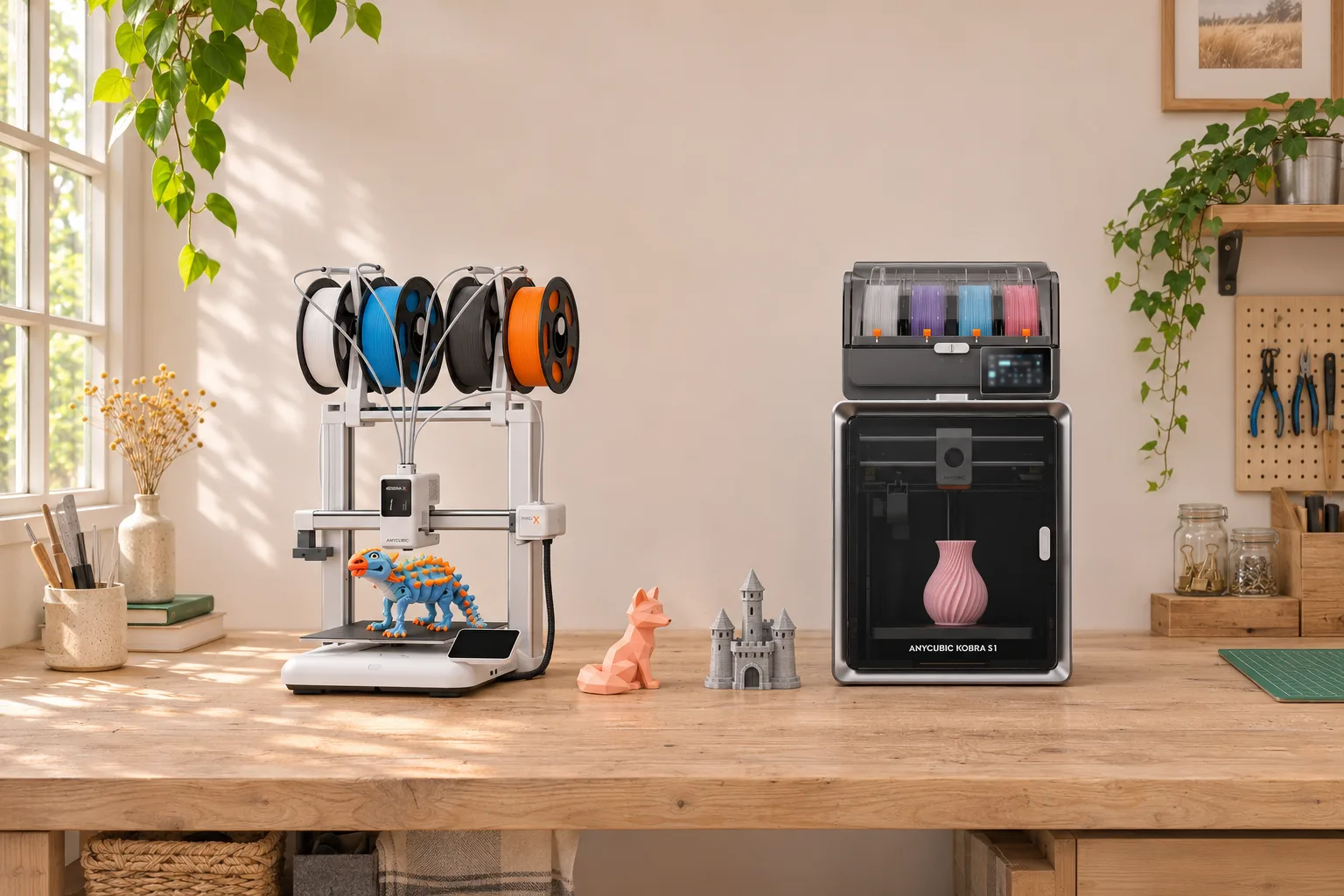
How to
Most people should buy the Anycubic Kobra X ($279 in November 2026): four colors built into the toolhead, no box needed. Get the Kobra S1 ACE 2 Pro Combo ($429) for an enclosed printer, the S1 Max Combo ($799) for a heated chamber, and the Photon Mono M7 Pro ($429) for resin.
Read the guide →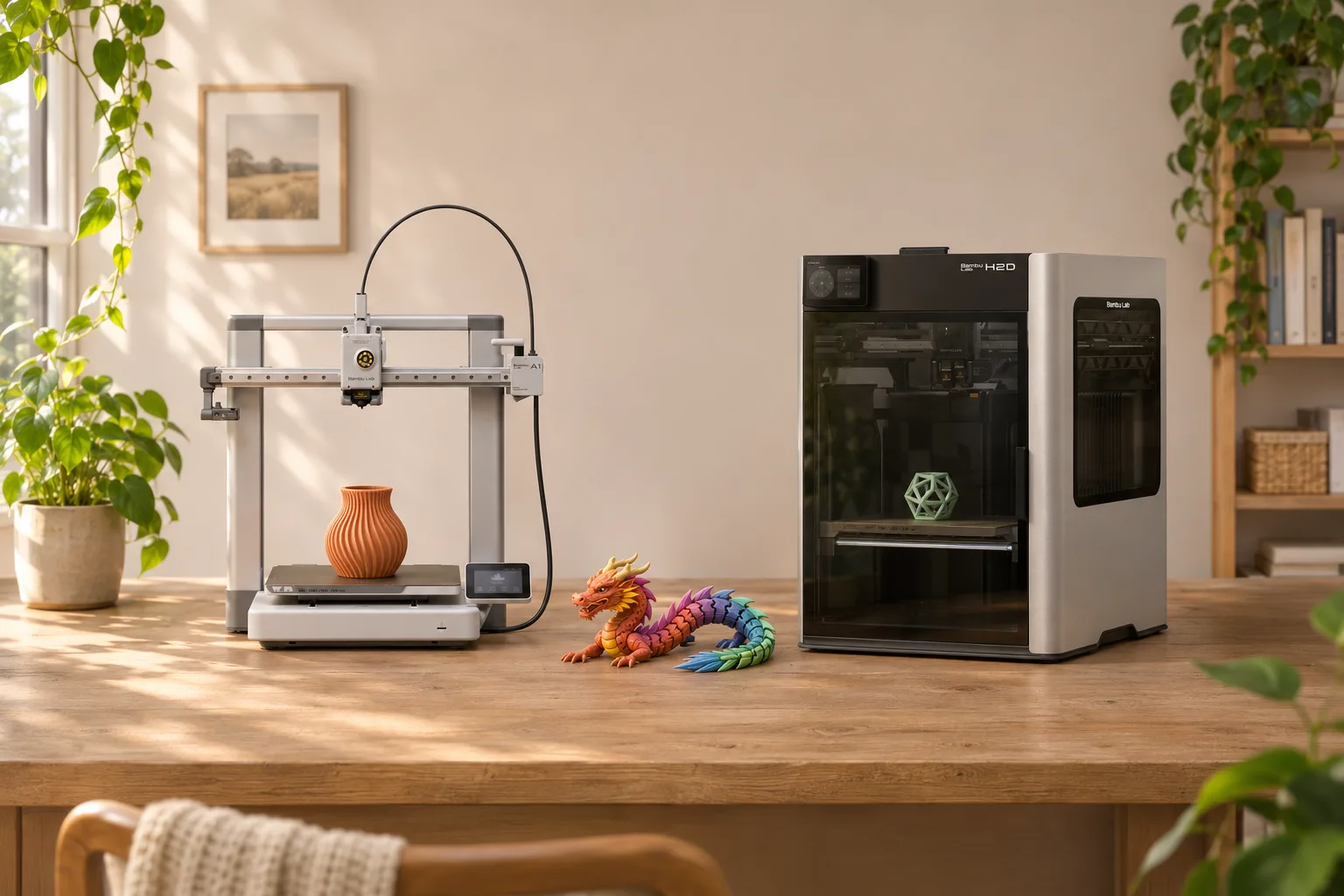
How to
Buy the Bambu Lab P2S Combo ($649 in November 2026) if you want one printer you won't outgrow, or the A1 Combo ($359) as a first printer. Here is every current Bambu, from the $199 A1 mini to the $2,499 H3C, with printer-only and Combo prices.
Read the guide →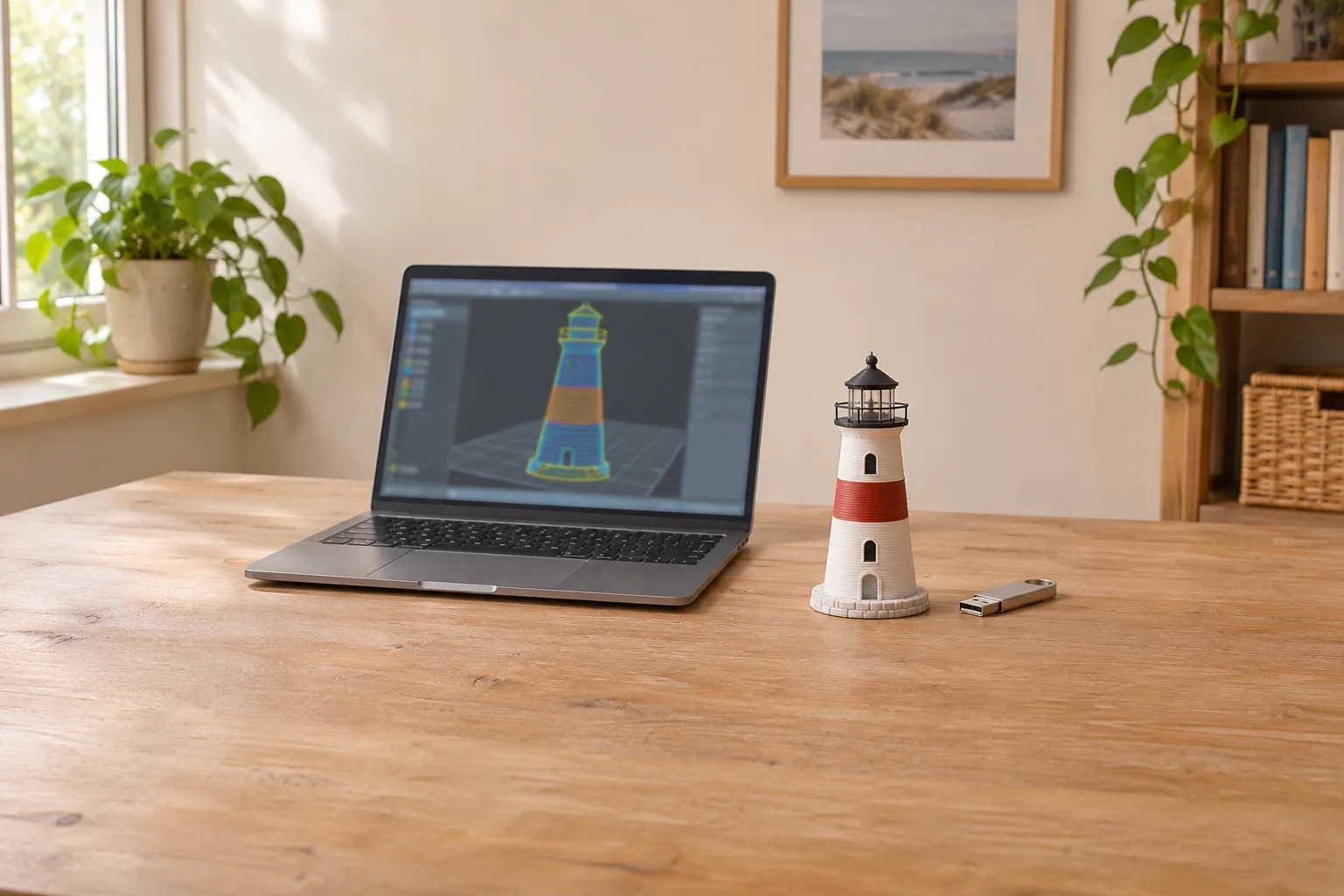
How to
OrcaSlicer 2.5.3 is the best free slicer for most FDM printers, with profiles for 69 brands and built-in calibration. On a Bambu Lab printer, use Bambu Studio 2.9.2; on a Prusa, PrusaSlicer 2.9.7.
Read the guide →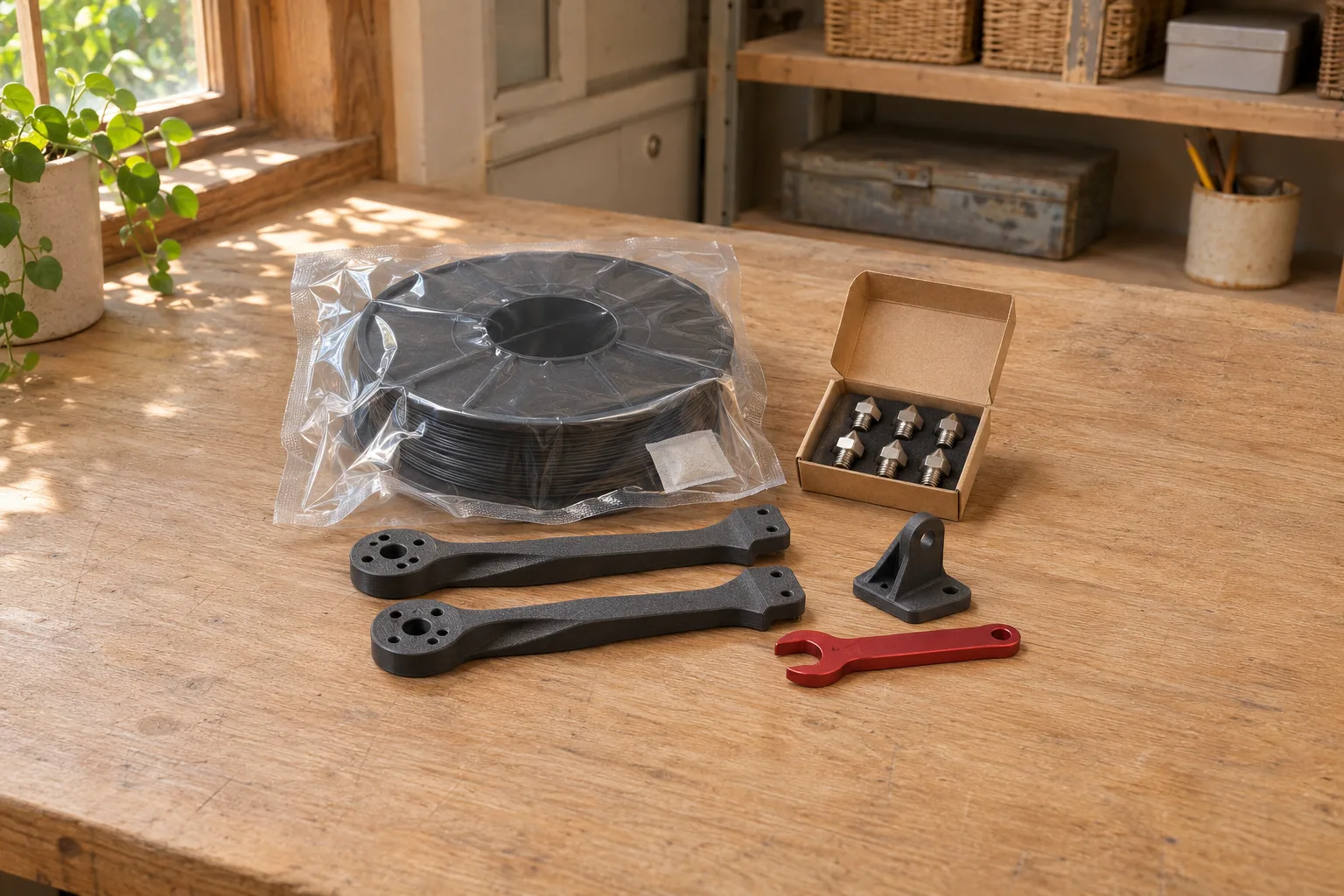
How to
Carbon fiber is worth it for stiff parts, not strong ones: Bambu's PLA-CF is about 44% stiffer than PLA Basic but no more heat-resistant, at twice the price. Nylon is hard mainly because it soaks up water.
Read the guide →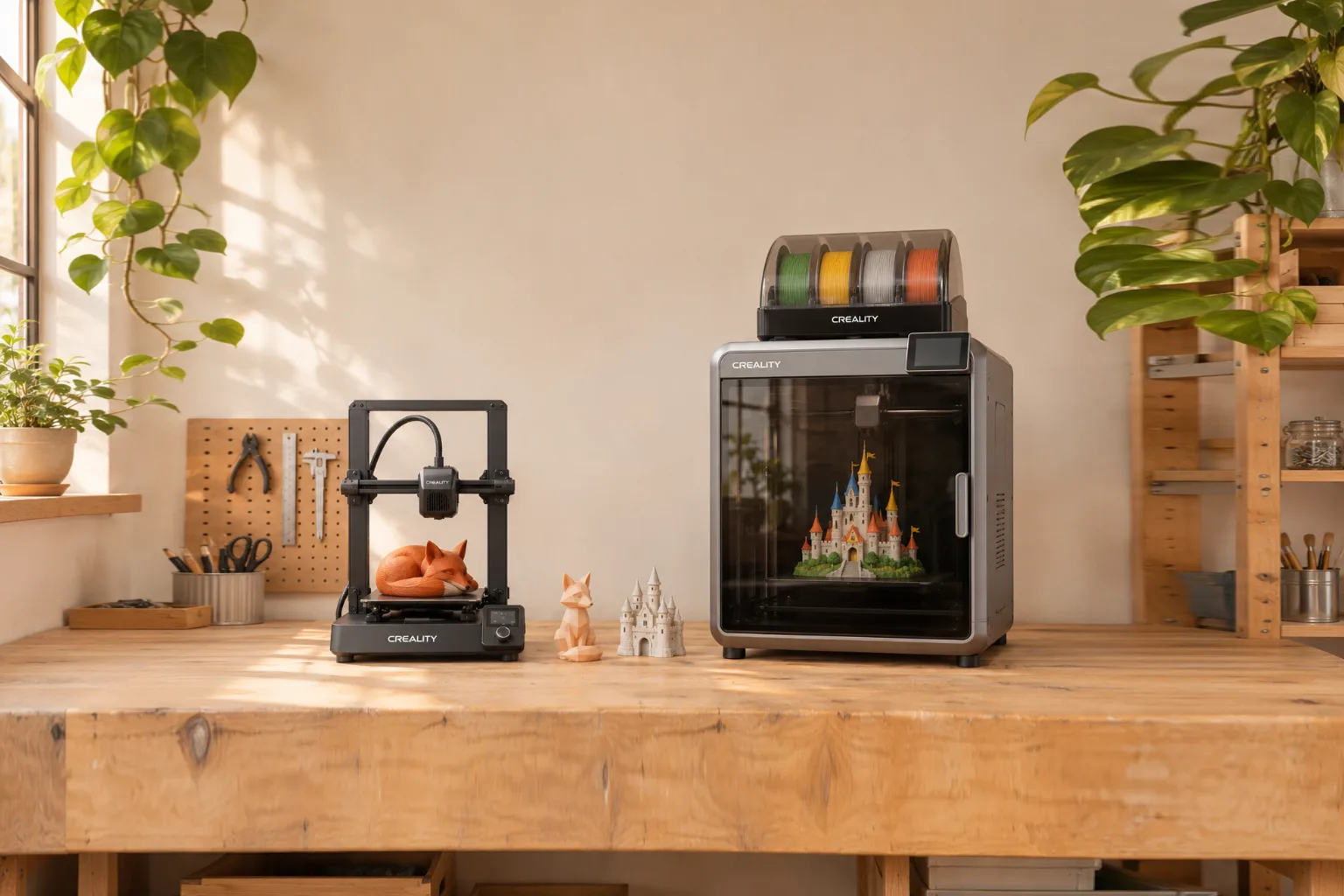
How to
Most people should buy the Creality K2 Combo ($449): enclosed, four colors, 260 mm. Here's how the K2, K2 Pro, K2 Plus, K3, SPARKX i7 and i8, and Ender-3 V3 SE and Neo differ, and what happened to the K1C and Hi Combo.
Read the guide →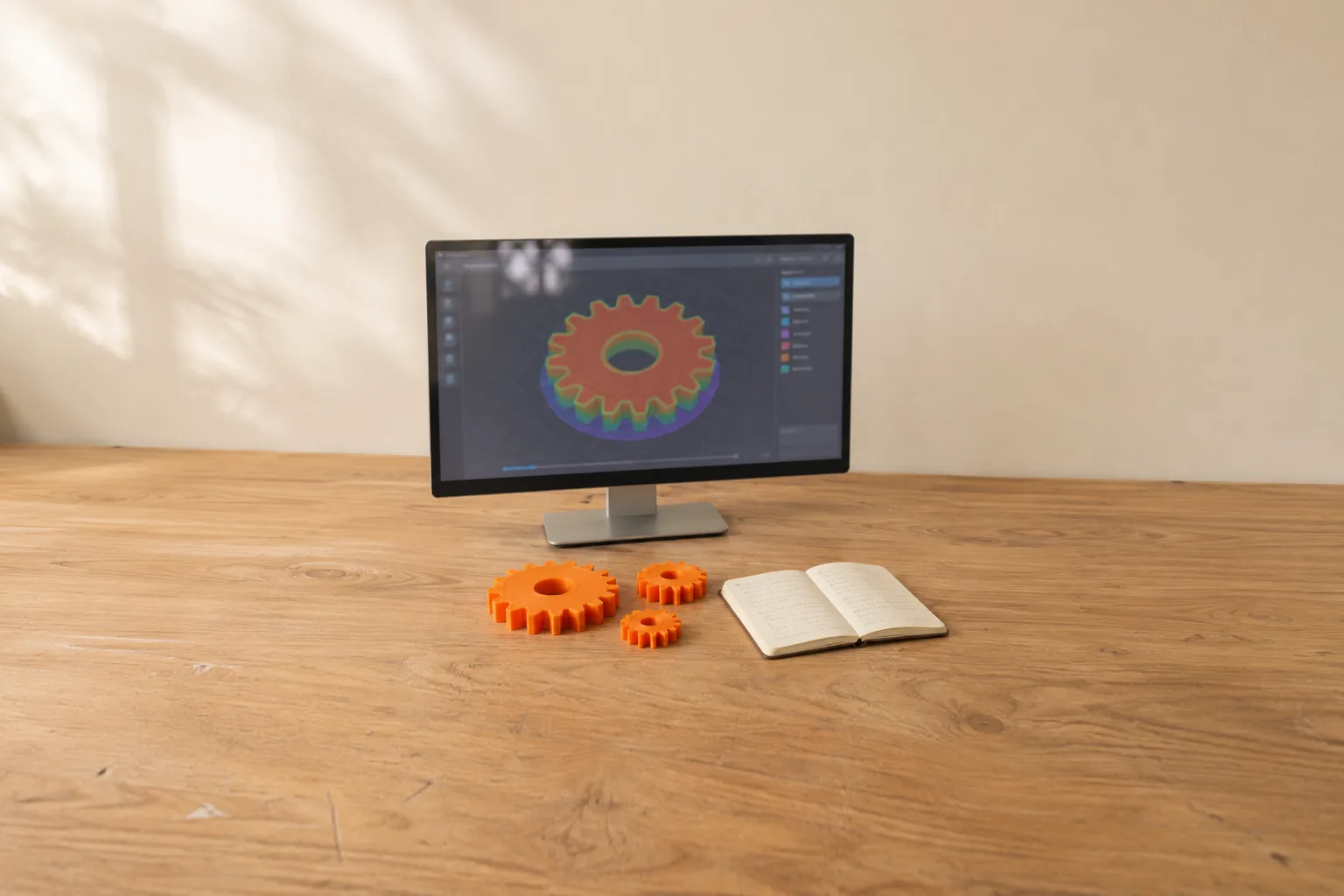
How to
PrusaSlicer 2.9.7 is the better choice for Prusa owners and most hobbyists, with profiles for 35 printer makers. UltiMaker Cura 5.14.0 is better on UltiMaker printers and if you want 400+ settings and plugins.
Read the guide →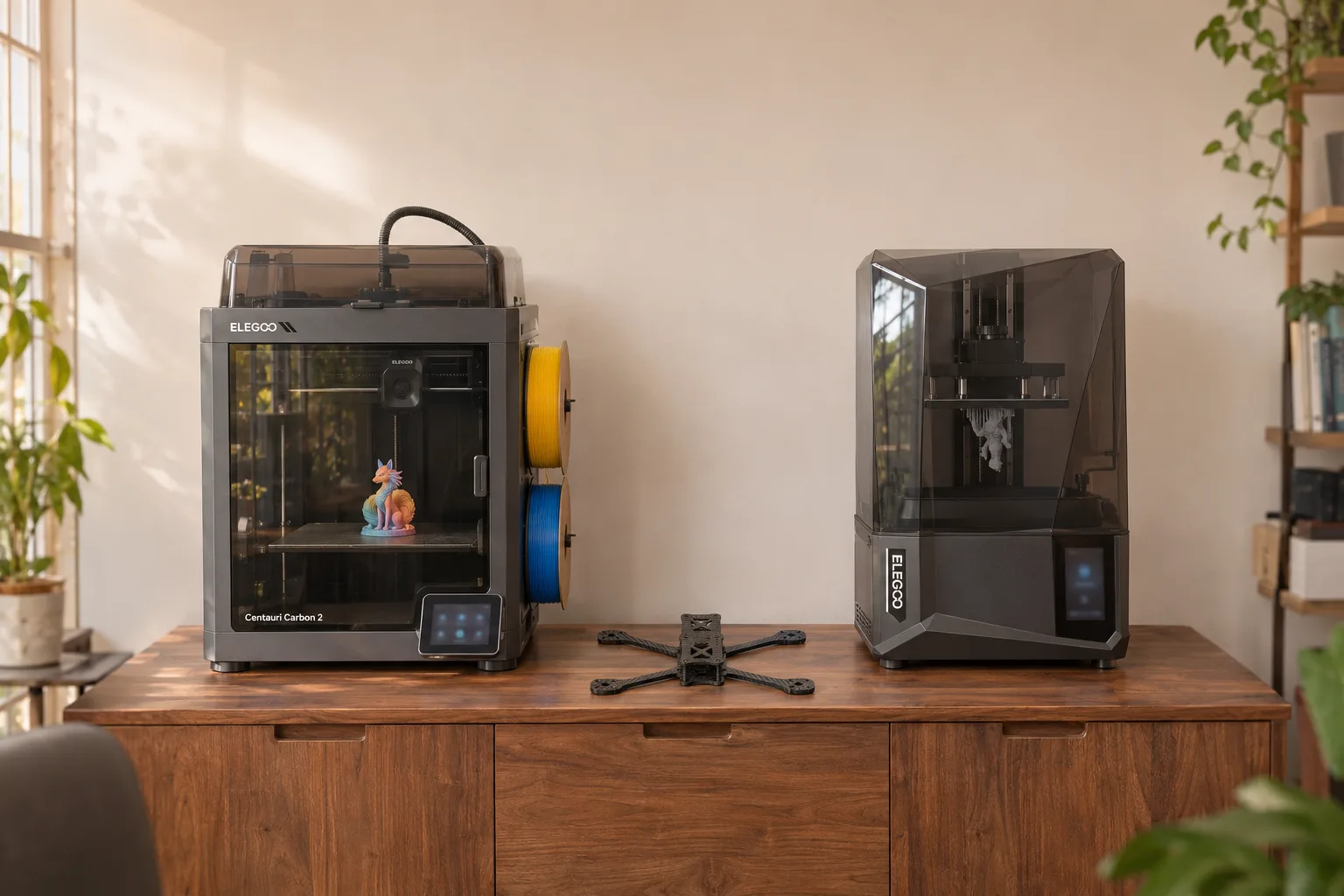
How to
Most people should buy the Elegoo Centauri Carbon 2 Combo ($369): enclosed, four colors, 350 °C nozzle. The open-frame Centauri 2 ($244) is the budget pick, the Neptune 4 series is still sold but aging, and the Saturn 4 Ultra 16K ($399 with code) and Mars 5 Ultra ($259) are Elegoo's resin printers.
Read the guide →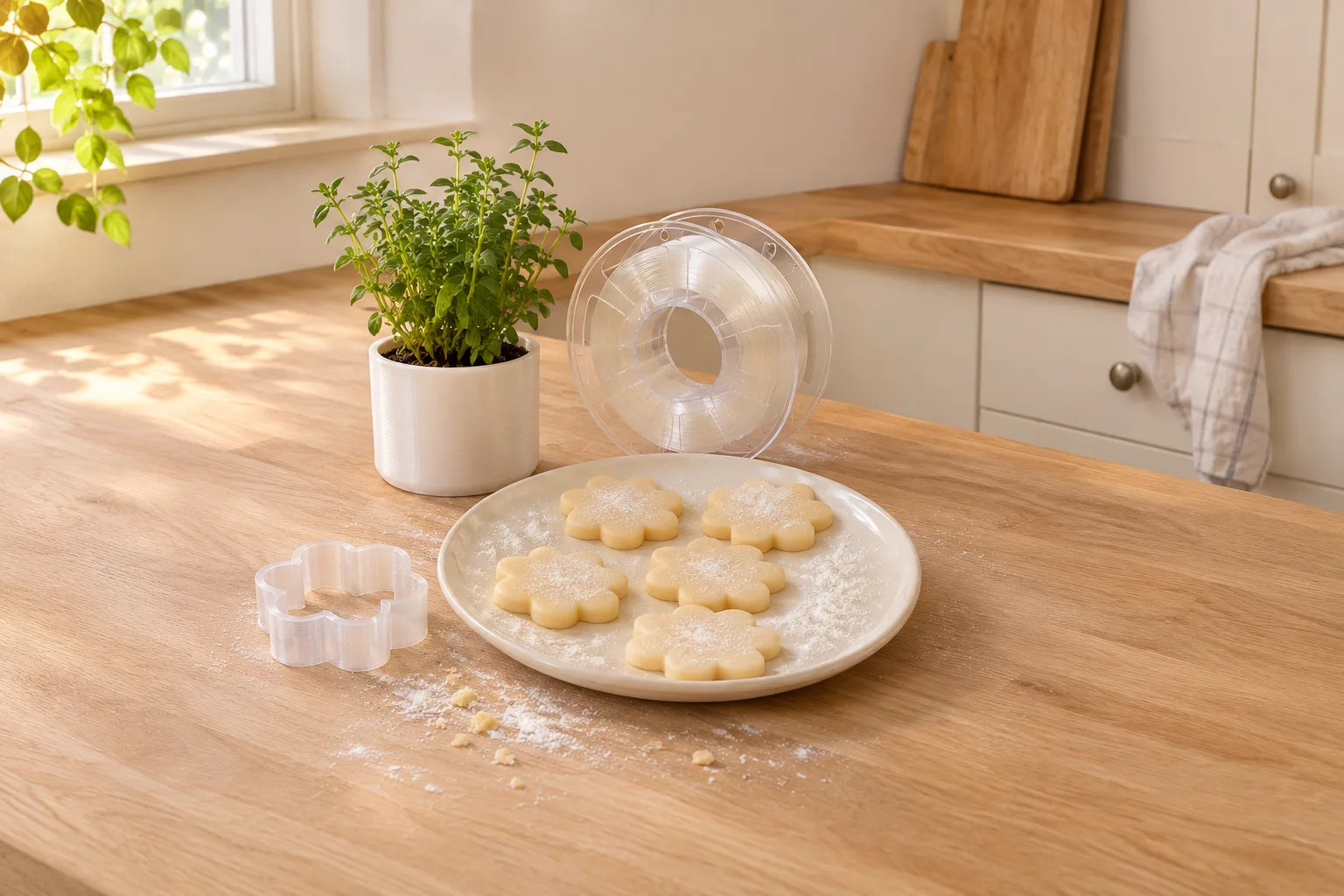
How to
No filament makes a print food-safe. The best-documented are Bambu PLA Pure, which passed EU 10/2011 testing in March 2026, and eSun PLA+, with an FDA-rule extractives test. Even Bambu says no liquids and nothing over 60 °C.
Read the guide →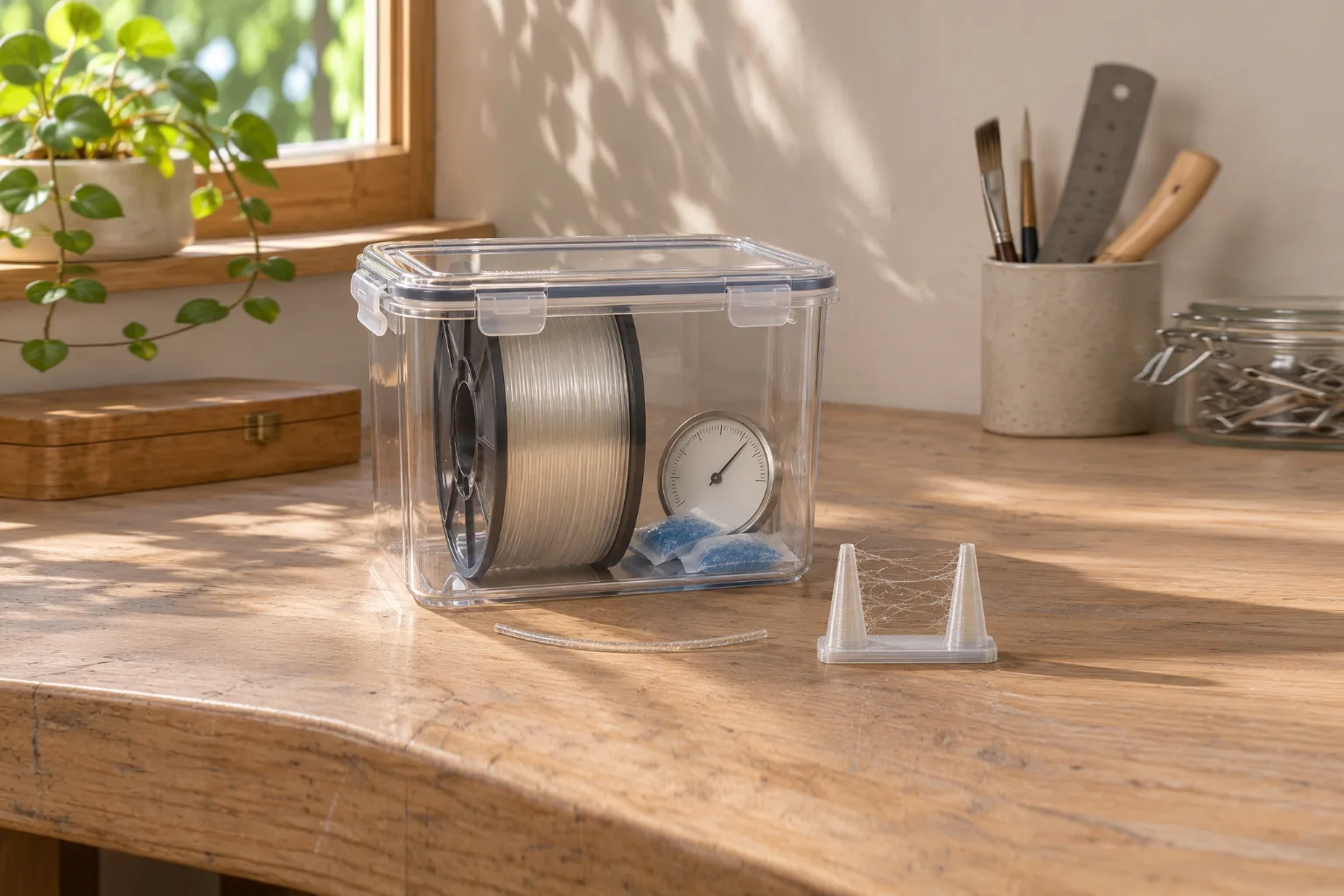
How to
Dry filament at its maker's temperature for 6–8 hours: PLA at 45–55 °C, PETG at 55–65 °C, TPU at 60–70 °C, nylon at 80 °C or more. A food dehydrator handles PLA and usually PETG; a kitchen oven is risky. Popping, stringing and rough surfaces mean it's wet.
Read the guide →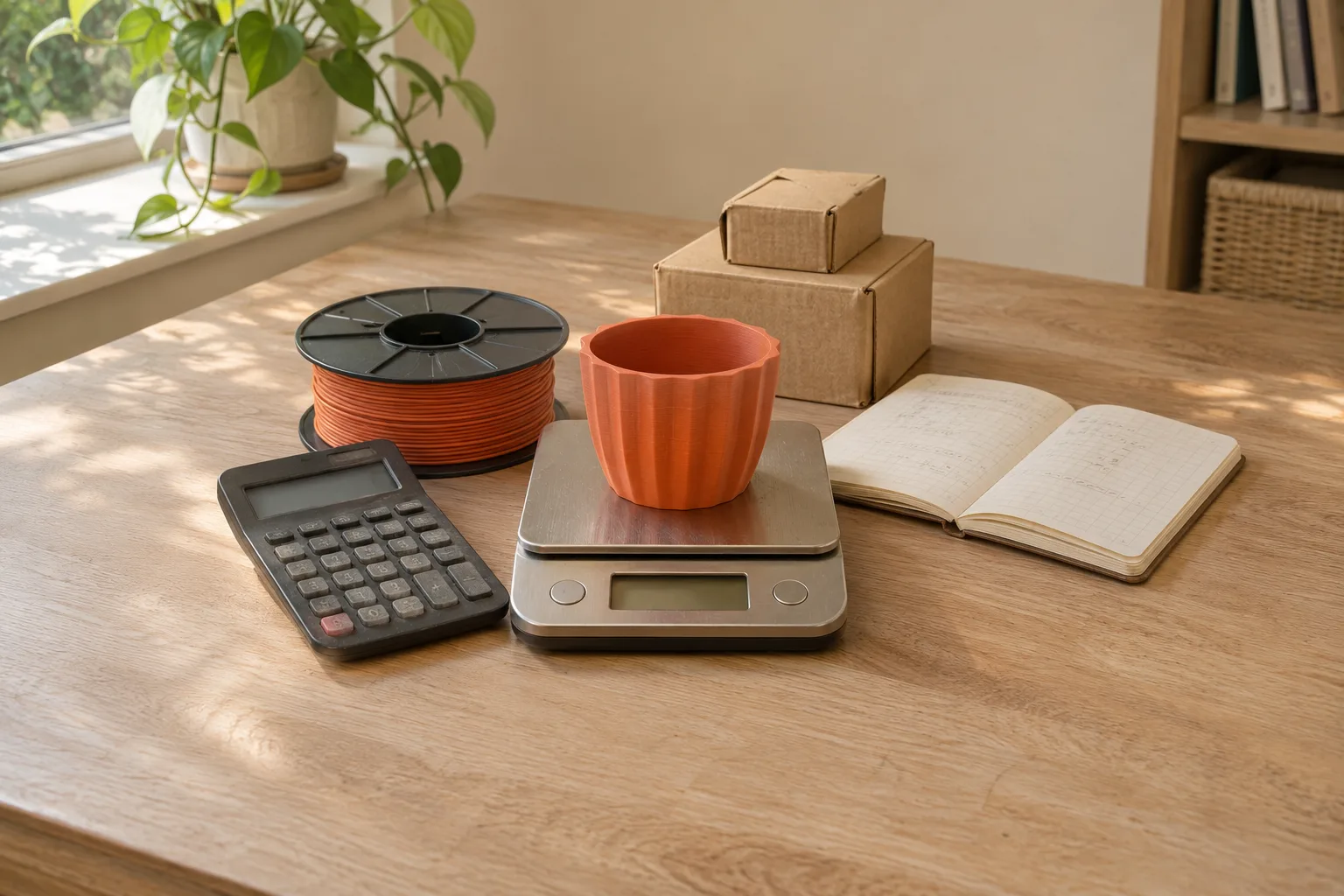
How to
Add up filament, power, machine wear, failures, labor and packaging, then add fees and shipping. A 50 g PLA part costs about $5.97 all-in, and on Etsy with free shipping it breaks even at about $15.19 to $16.98 (our estimate). PLA costs about 1 to 2.4 cents a gram, not 6 to 10.
Read the guide →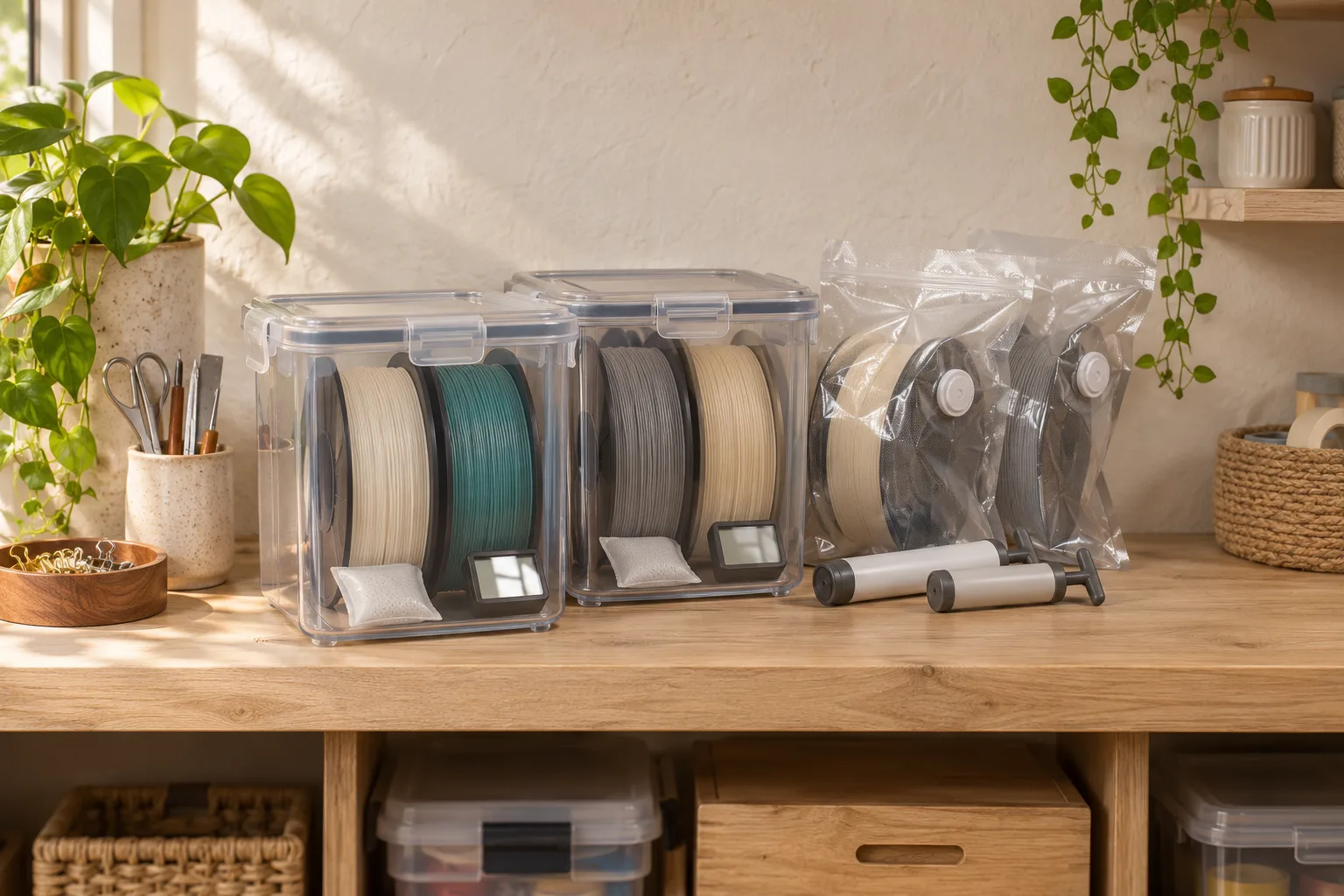
How to
Store filament sealed with desiccant below about 30% humidity, at room temperature and out of sunlight. UltiMaker gives PLA, TPU and nylon a one-year shelf life and PC and PP two; most filament makers state none.
Read the guide →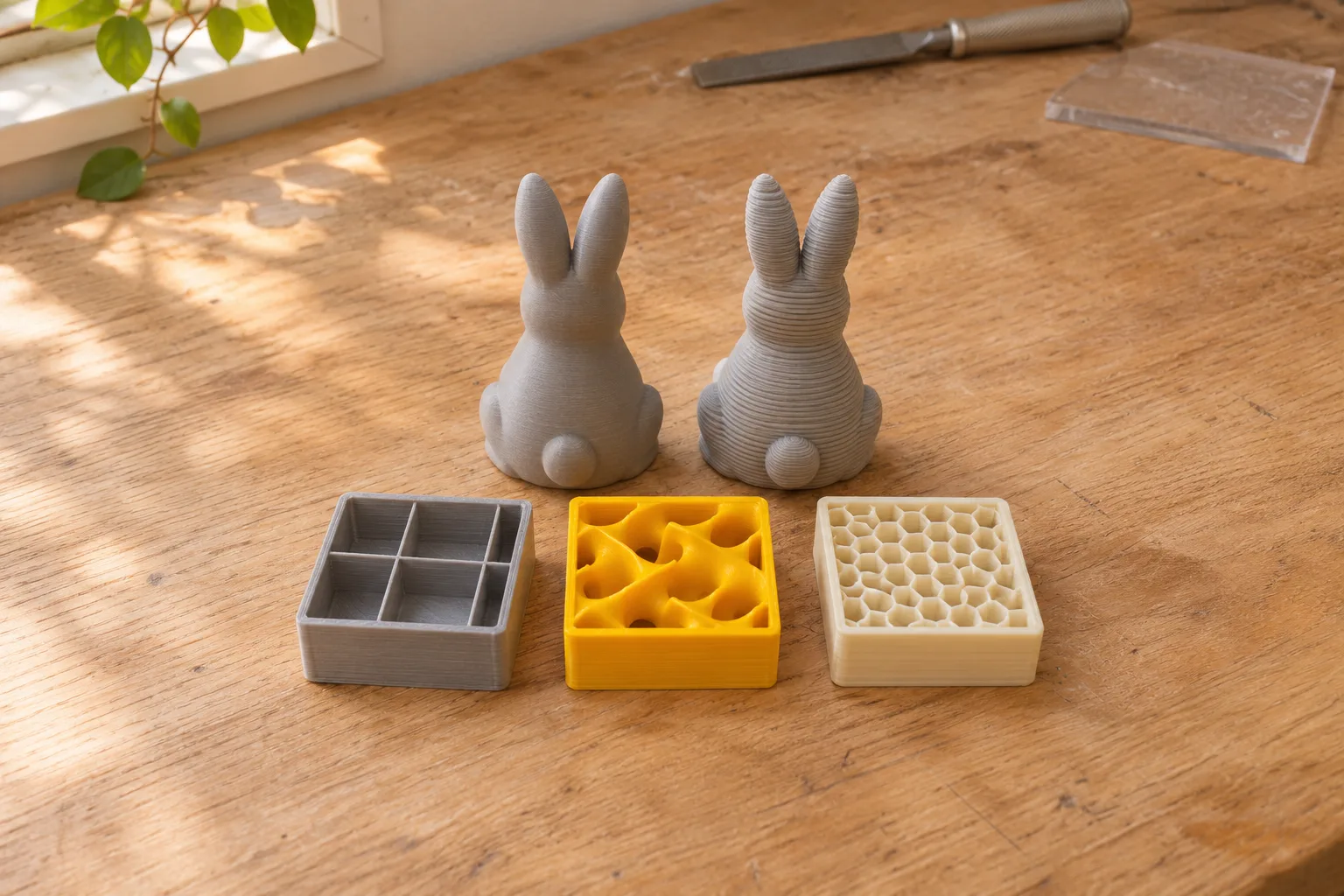
How to
Start with 15% infill and 0.20 mm layers on a 0.4 mm nozzle: that's what Bambu Studio, OrcaSlicer and PrusaSlicer ship. For stronger parts, add walls before infill. Keep layers under 80% of the nozzle width.
Read the guide →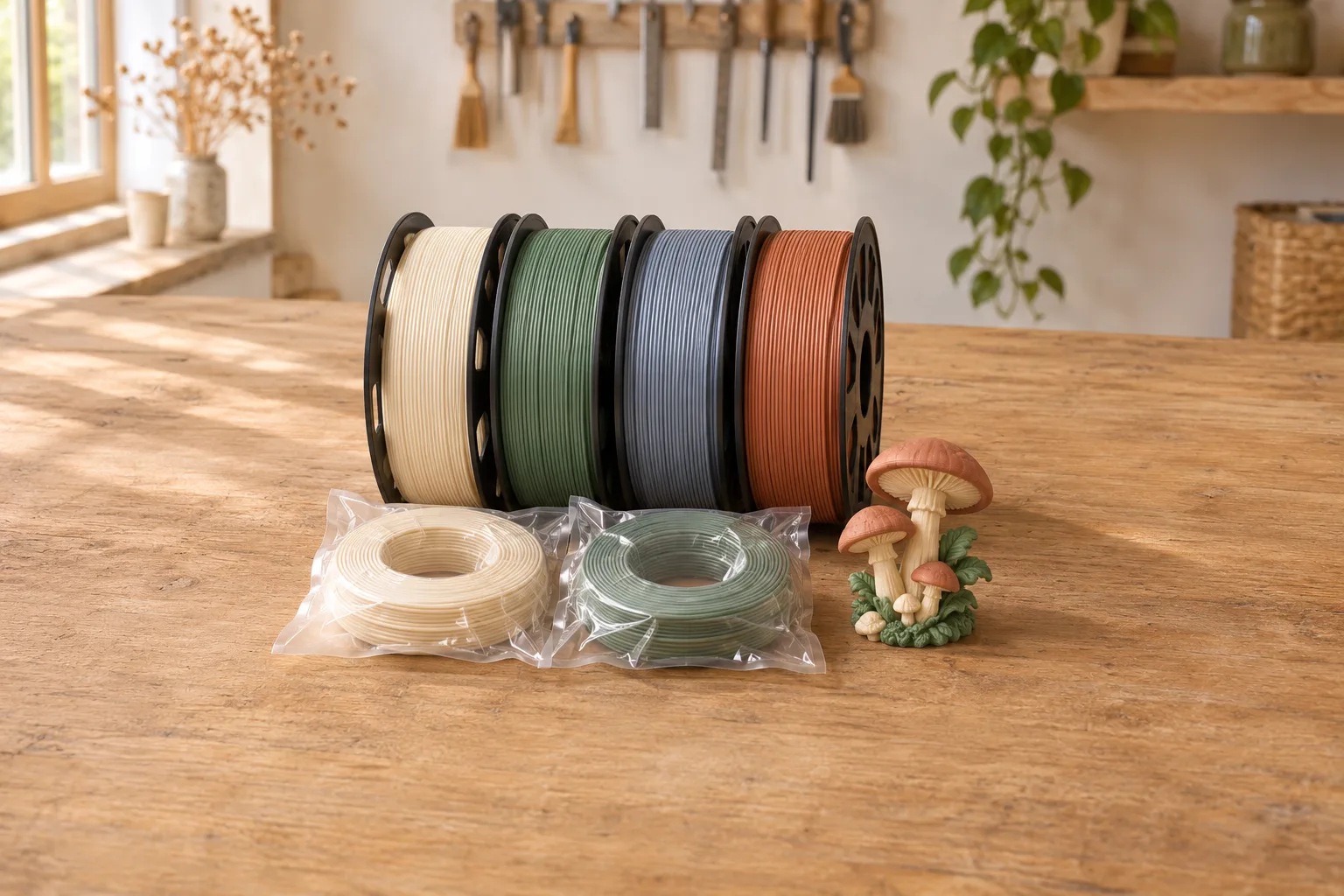
How to
In bulk on a Bambu printer, yes: PLA Basic refills were $9.74 each at 10 or more in November 2026, cheaper than one roll of most budget brands. One roll at a time ($14.99 refill, $20.99 on Amazon), you pay about $3 extra for RFID convenience.
Read the guide →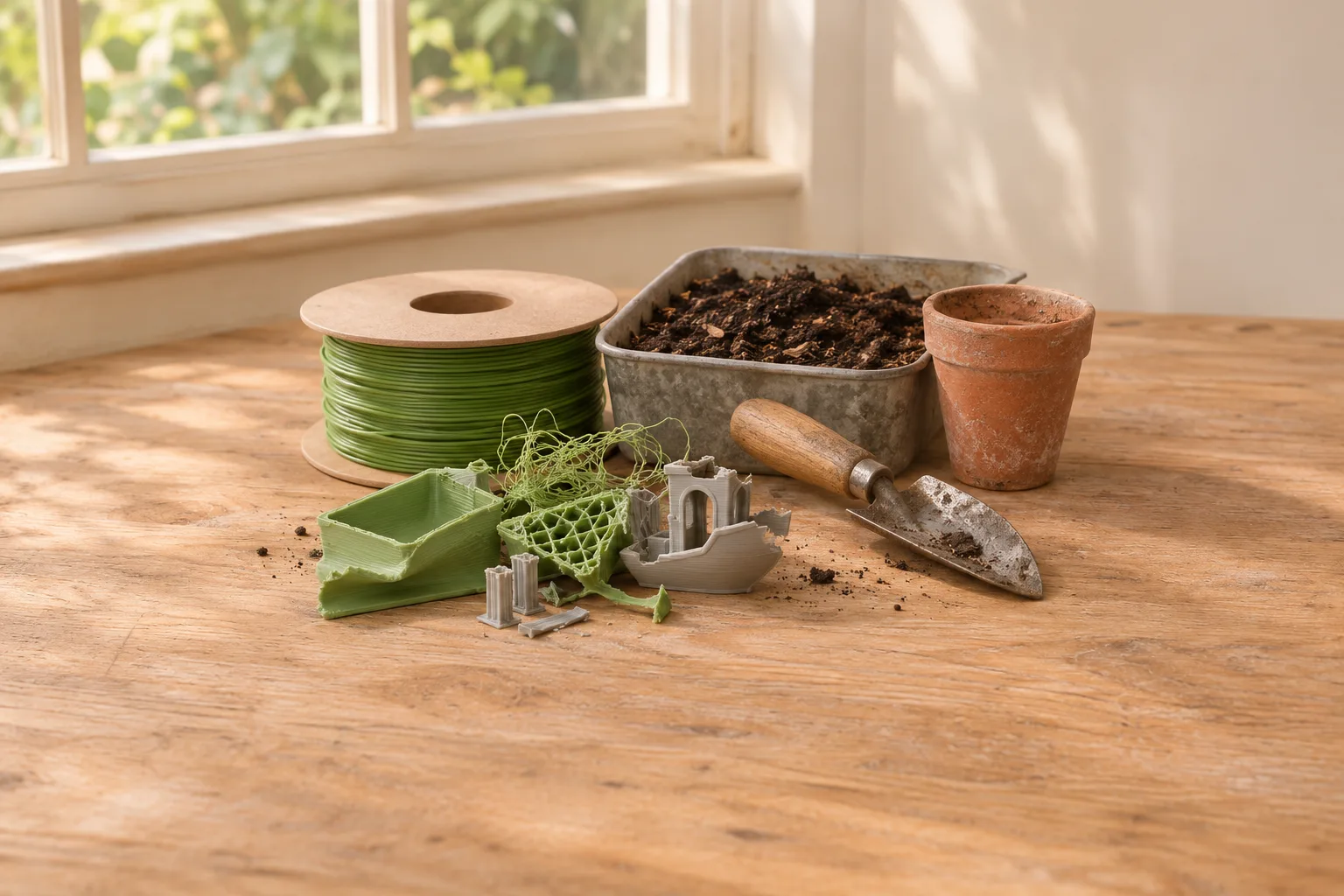
How to
Only in industrial composting. The EN 13432 and ASTM D6400 standards test at 58 °C and require 90% of the carbon to become CO2 within six months. In soil, home compost or seawater, PLA barely breaks down.
Read the guide →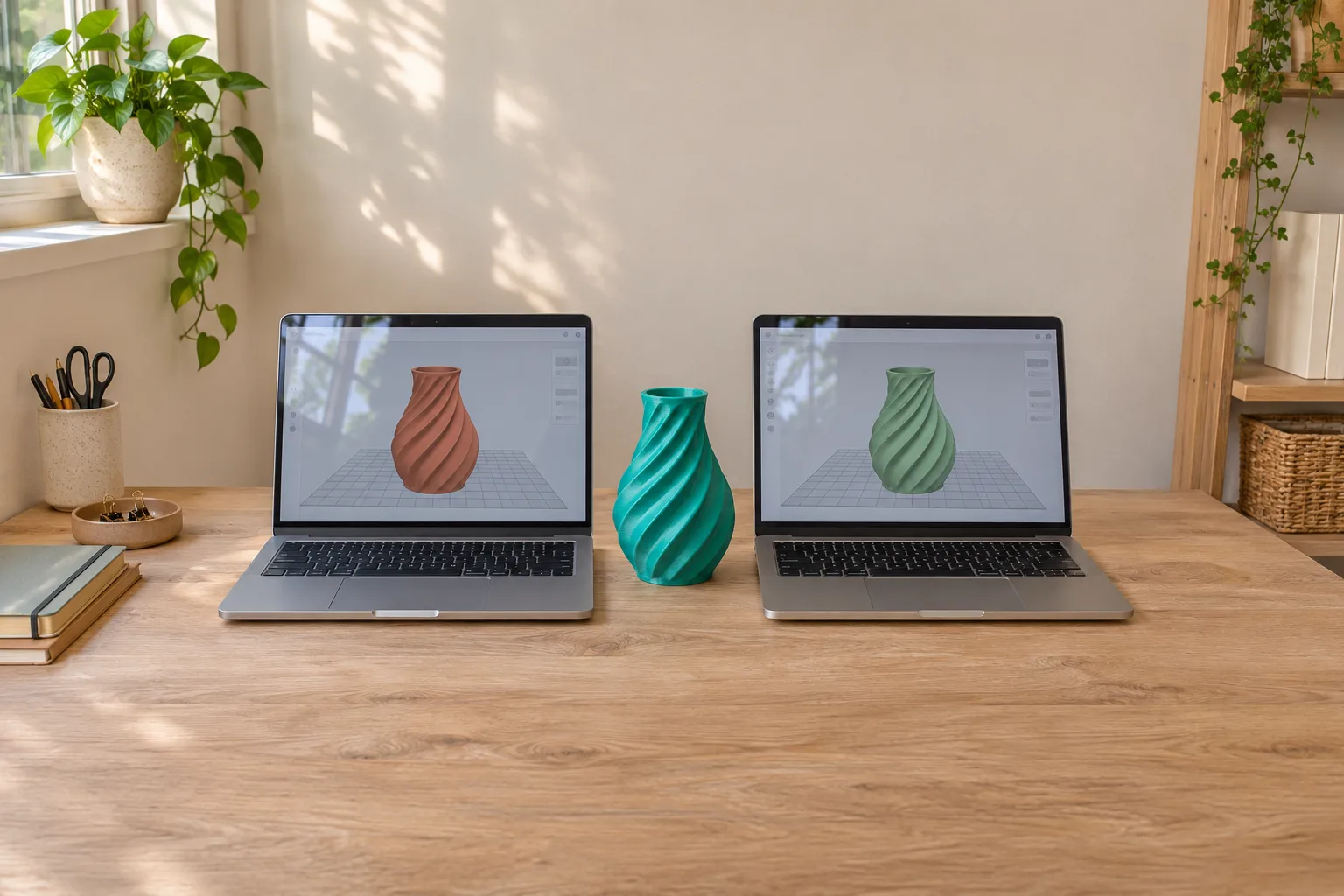
How to
On a Bambu Lab printer, Bambu Studio 2.9.2 is the better pick: it's the only slicer that starts prints directly on current Bambu firmware. OrcaSlicer 2.5.3 wins for calibration and has profiles for 69 printer brands.
Read the guide →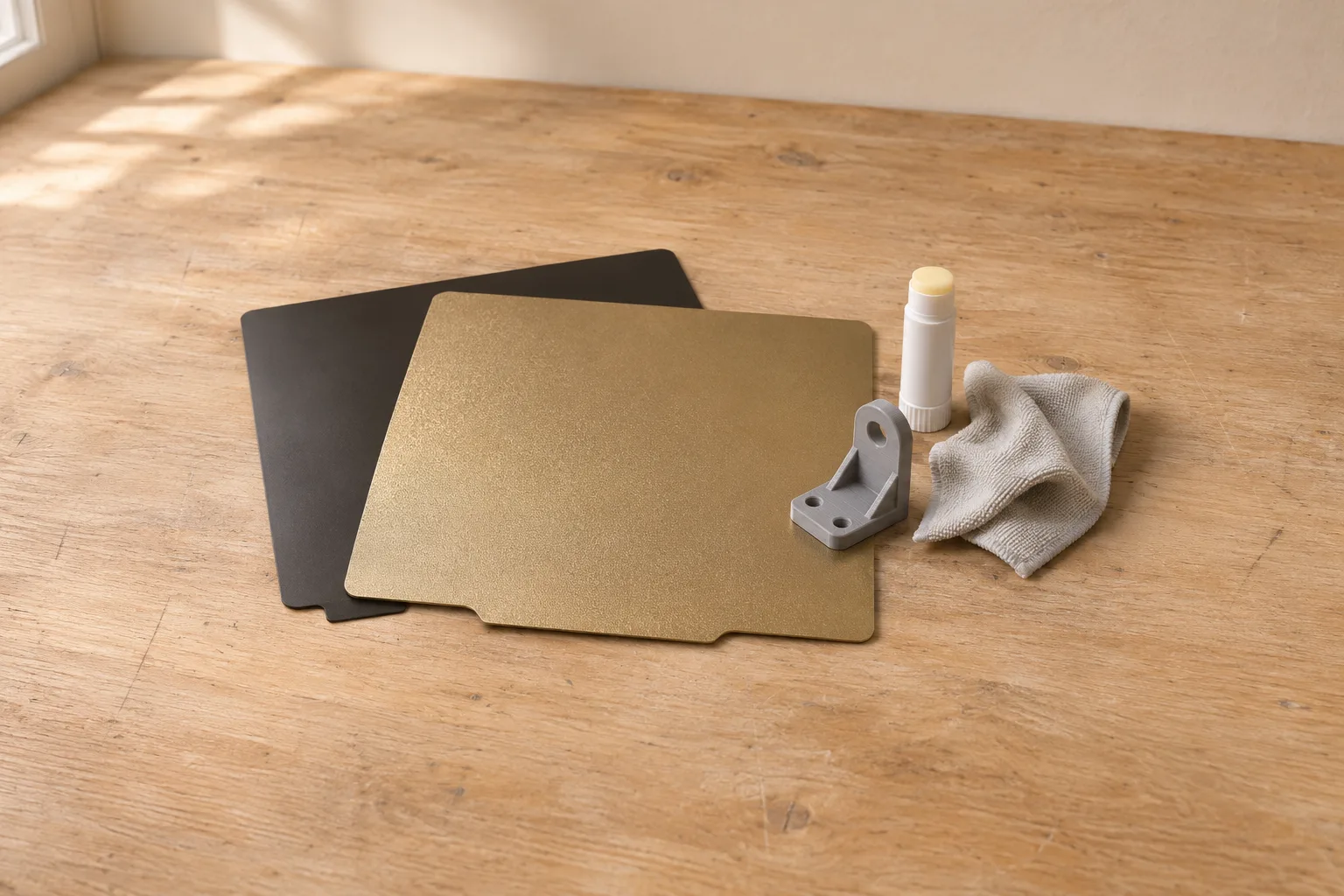
How to
Textured PEI is the better plate for most people: Bambu ships it as standard, and PLA, PETG and TPU stick to it without glue. Smooth PEI gives a smoother underside but needs glue for anything other than PLA, and Bambu has stopped selling it for every printer except the A1 mini.
Read the guide →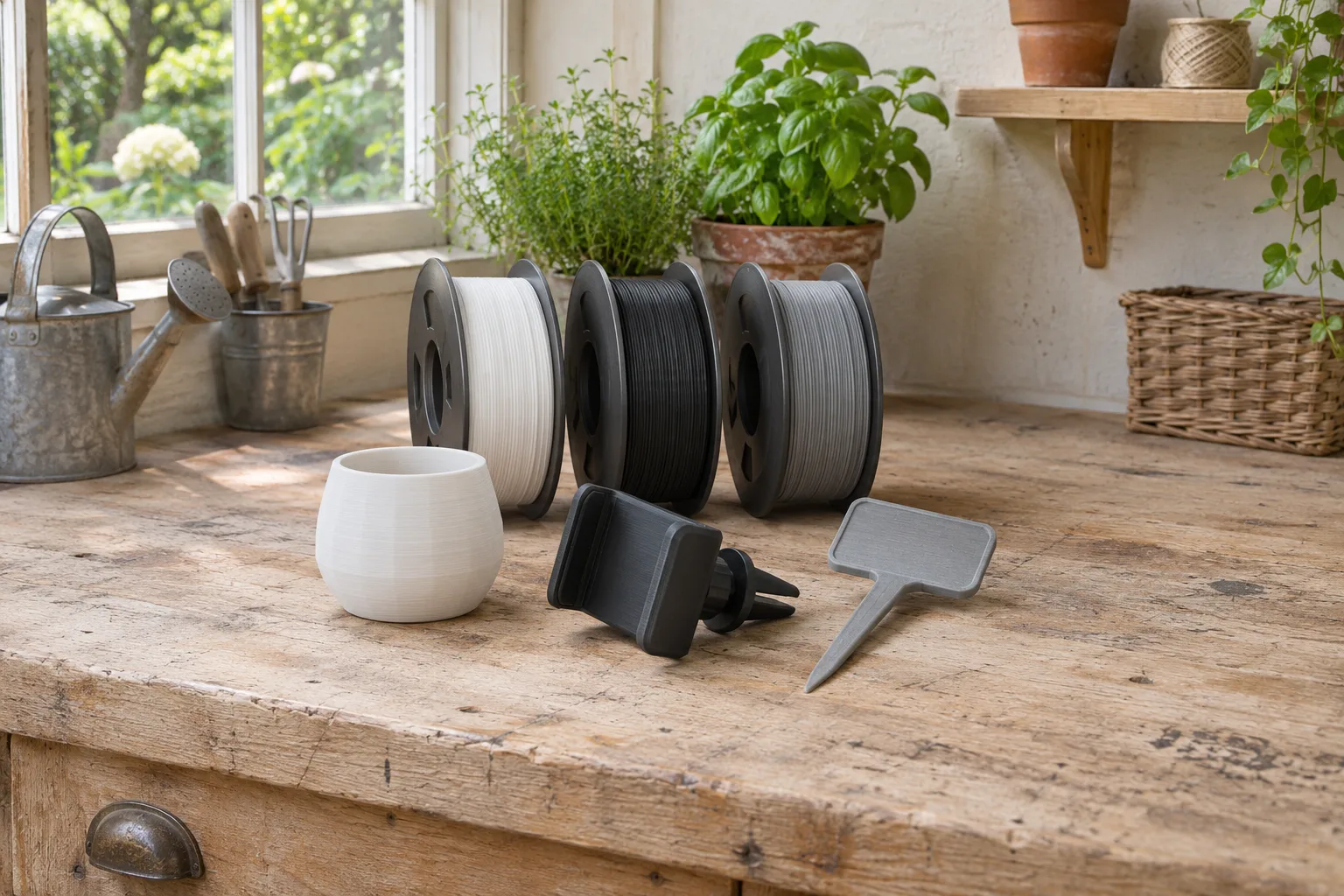
How to
Use PLA for indoor prints, ABS for heat-resistant indoor parts and ASA for anything that lives outside. On Bambu's data sheets PLA deflects at 57 °C, ABS at 87 °C and ASA at 100 °C, and ABS and ASA both need an enclosed printer.
Read the guide →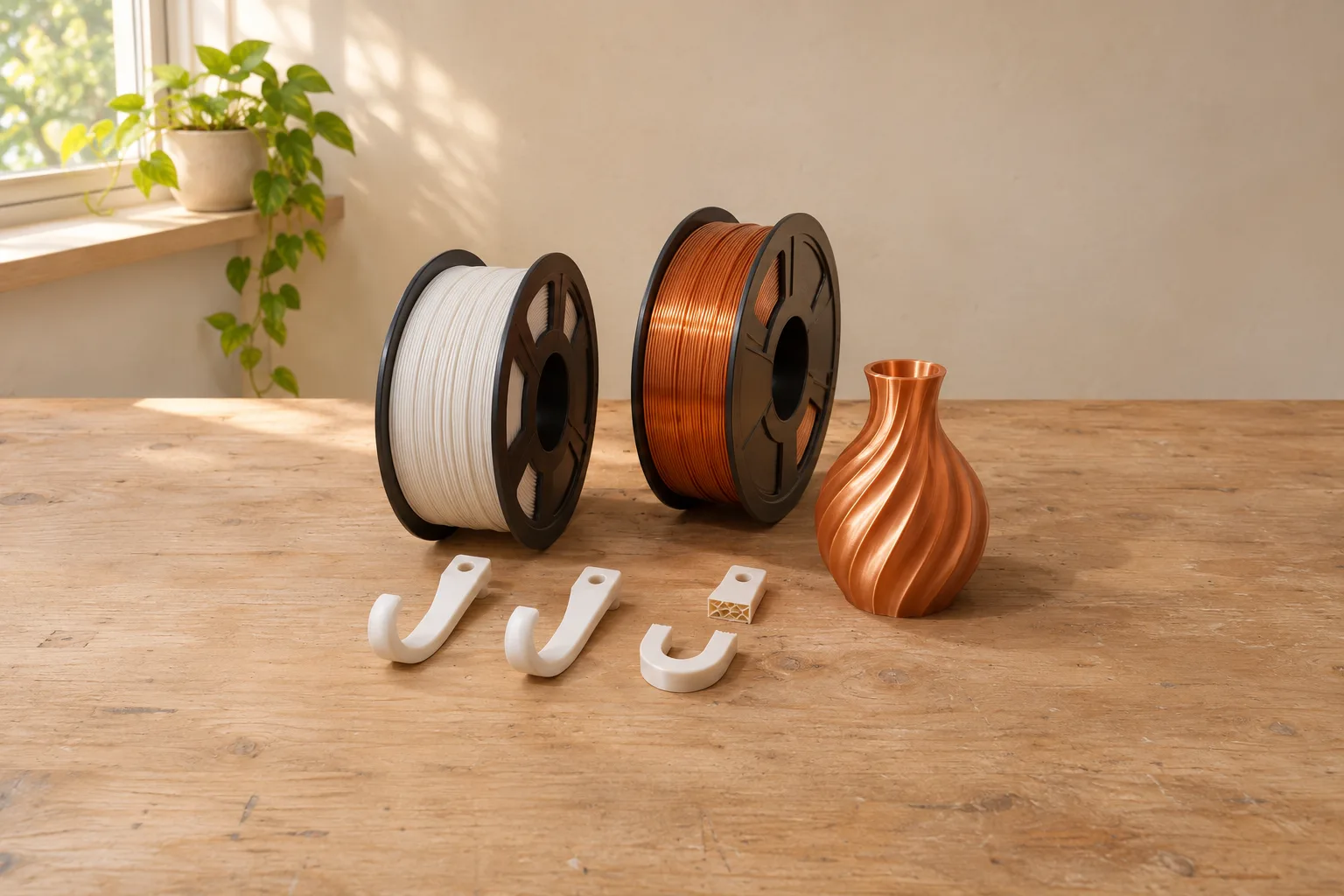
How to
PLA+ is PLA with additives that make it tougher, not more heat-resistant. In Polymaker's own tests its PLA Pro absorbs about 5 times the impact of its plain PLA (17.1 vs 3.3 kJ/m²) with the same 58 °C heat deflection. Silk PLA is a looks choice that costs $1 to $5 more.
Read the guide →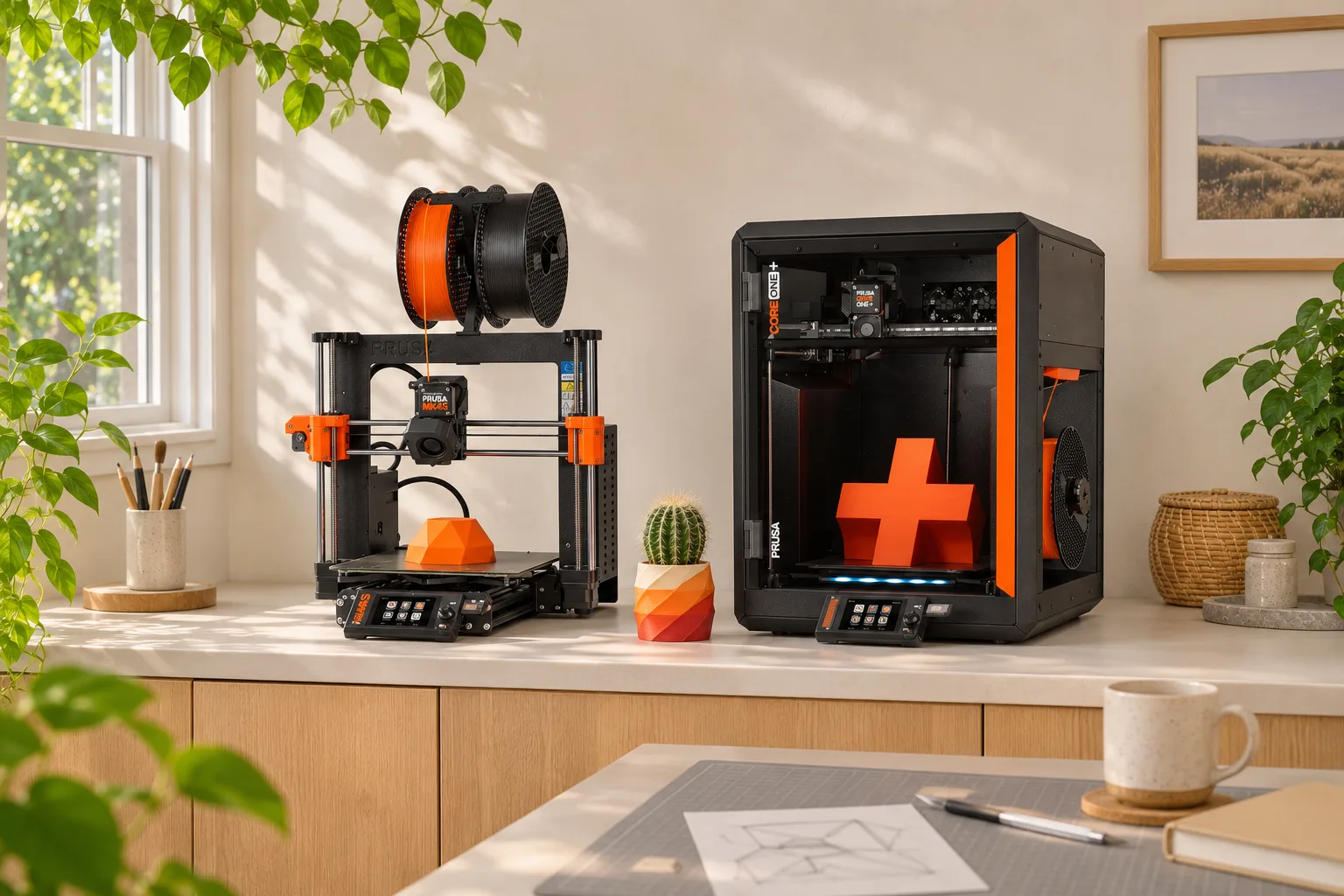
How to
Buy the Prusa CORE One+ ($1,299 assembled, $999 kit) unless you have a reason not to. The $709 MK4S kit is the budget Prusa, the $1,999 CORE One L+ the big one, INDX the low-waste multicolor option and the XL+ ($2,299 and up) the large tool changer. Skip the $549 MINI+ unless space is tight.
Read the guide →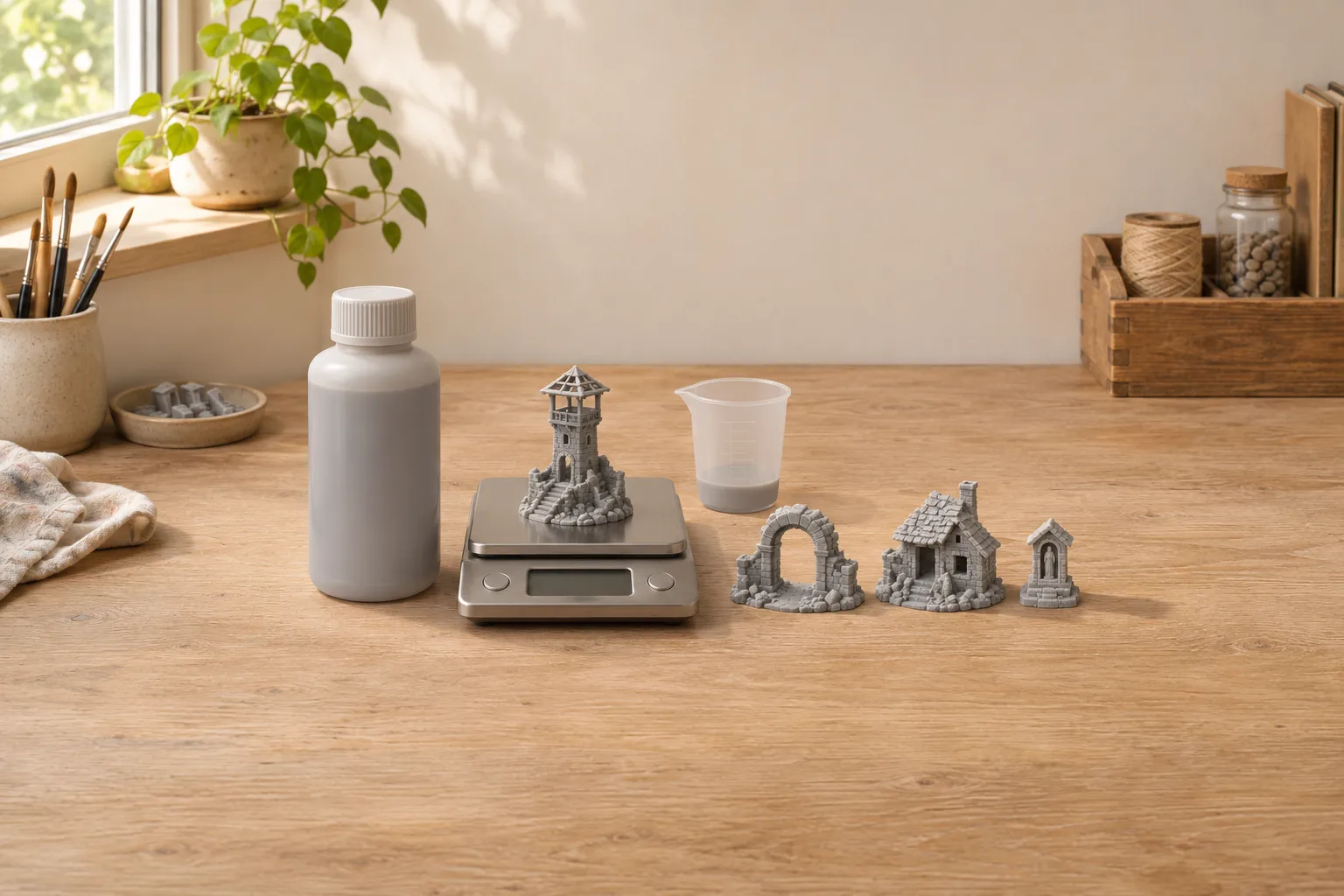
How to
About $0.24 to $0.39 for a small 28–32 mm miniature on a full plate of 10, by our estimate: $0.07 to $0.21 of resin plus about $0.17 of alcohol, film, screen wear, gloves and towels. A big figure printed alone costs about $2, because the plate's fixed costs land on one model.
Read the guide →
How to
Cure resin waste solid under UV light or sunlight before it goes in the trash, and never pour liquid resin, used alcohol or wash water down a drain. Most resins need 90–95% isopropyl alcohol, a highly flammable liquid with a 12 °C flash point; water-washable resin and ethanol are the alternatives makers name.
Read the guide →
How to
Yes, if you designed the item yourself. Since June 10, 2025, Etsy's rules say 3D printed goods "must be produced based on a seller's original design." A commercial license for someone else's model doesn't meet that, by our reading. Fees take about 12.5% of a $15 sale, or 27.5% if it came from an Offsite Ad.
Read the guide →