How to
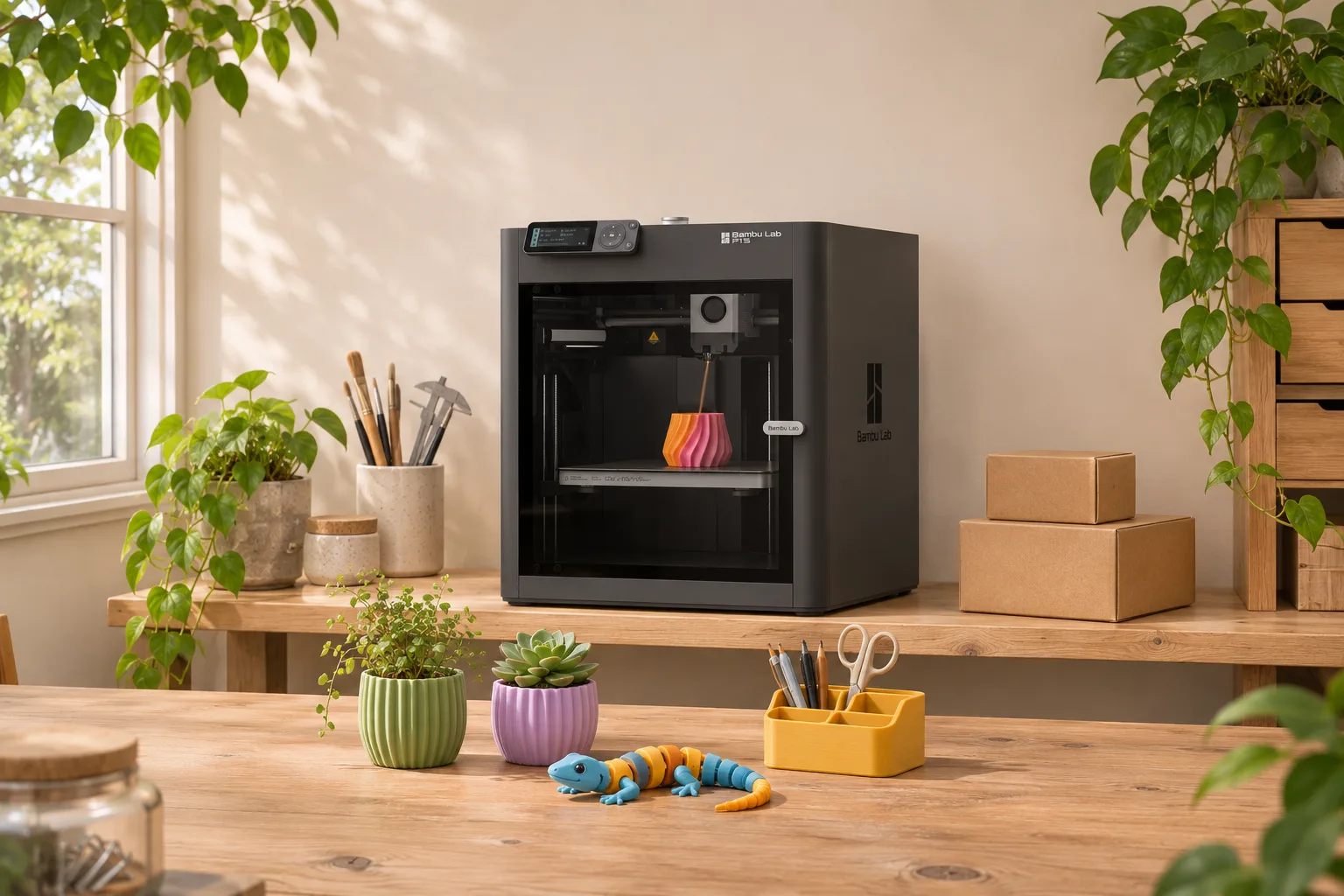
Start with one Bambu Lab A1 Combo ($359 in November 2026) and your own designs: about $527 gets the printer, 10 kg of PLA, a spare plate, tools, boxes and 20 Etsy listings, by our estimate. Then sort out the structure, taxes and insurance, and add printers only when orders back up. Print farms mostly run Bambu and Prusa machines.
Read the guide →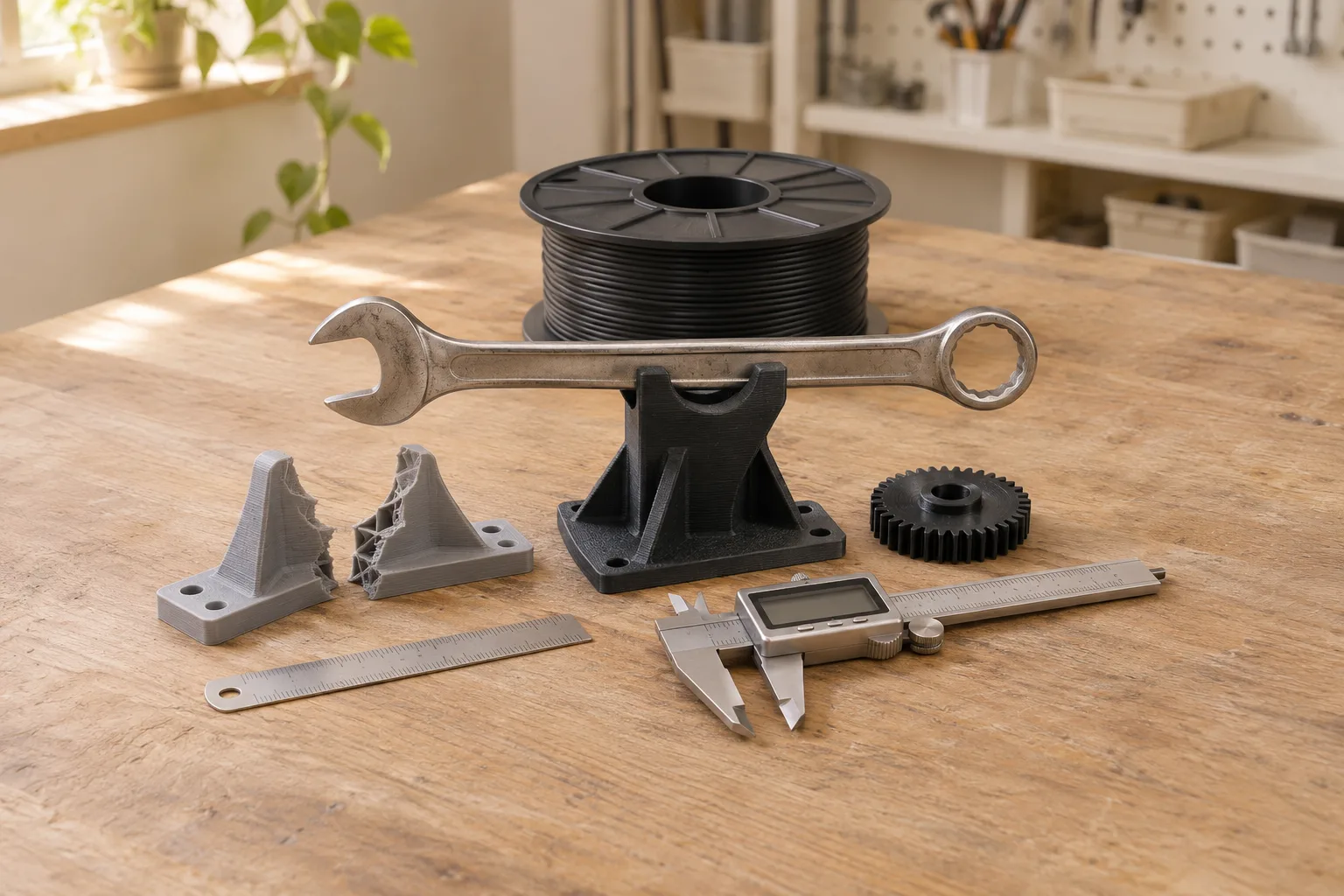
How to
Carbon fiber nylon is the strongest filament on maker data sheets: 102 MPa for Bambu PA6-CF and 109 MPa for Polymaker PA6-CF20, both dry. For heat, Bambu PPS-CF holds 264 °C at 0.45 MPa.
Read the guide →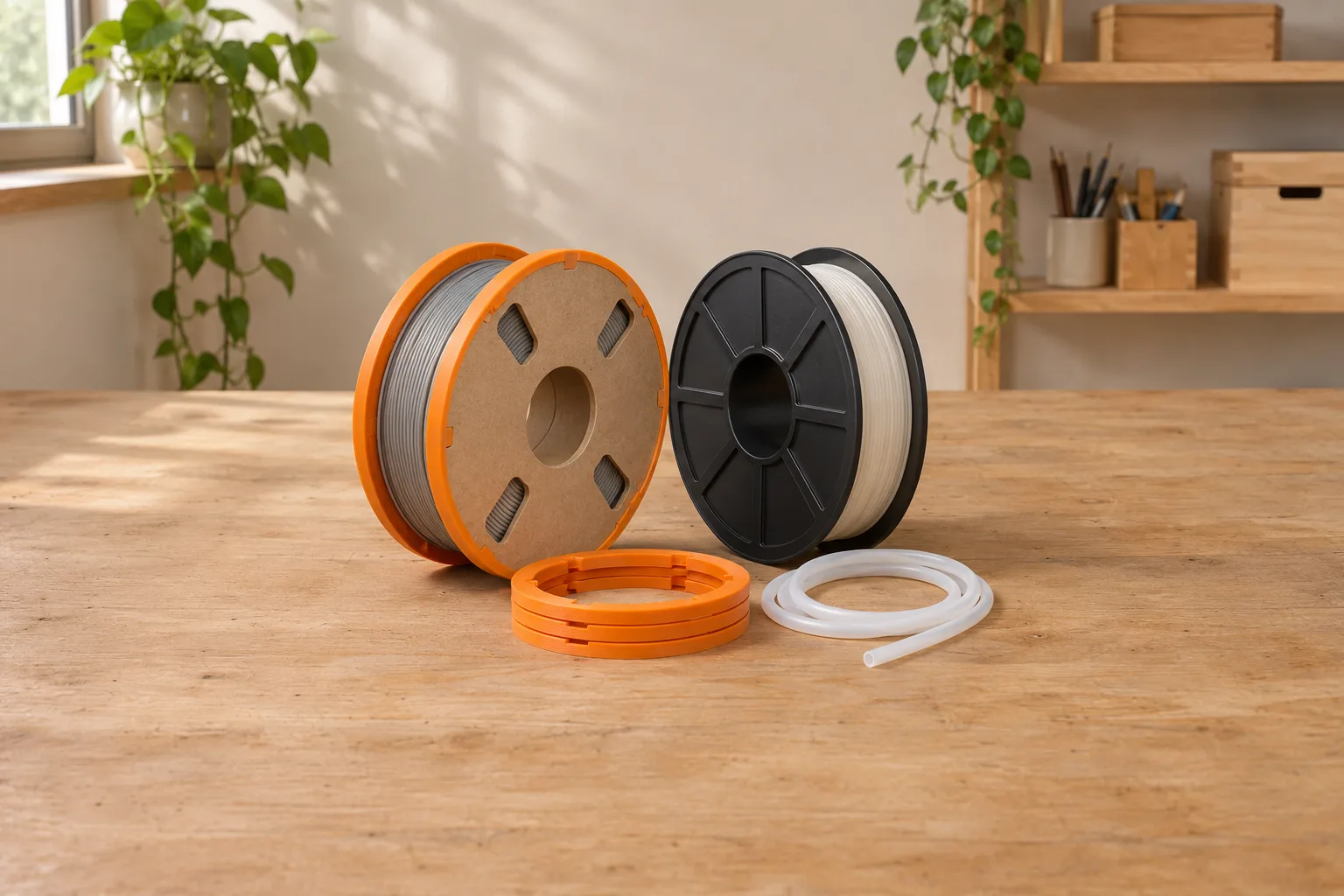
How to
Yes, you can use other brands in a Bambu AMS if the spool is 50–68 mm wide and 197–202 mm across (AMS lite: 40–68 mm wide on a 53–58 mm hub). You set the material by hand, generic TPU won't feed, and cardboard spools need an adapter ring.
Read the guide →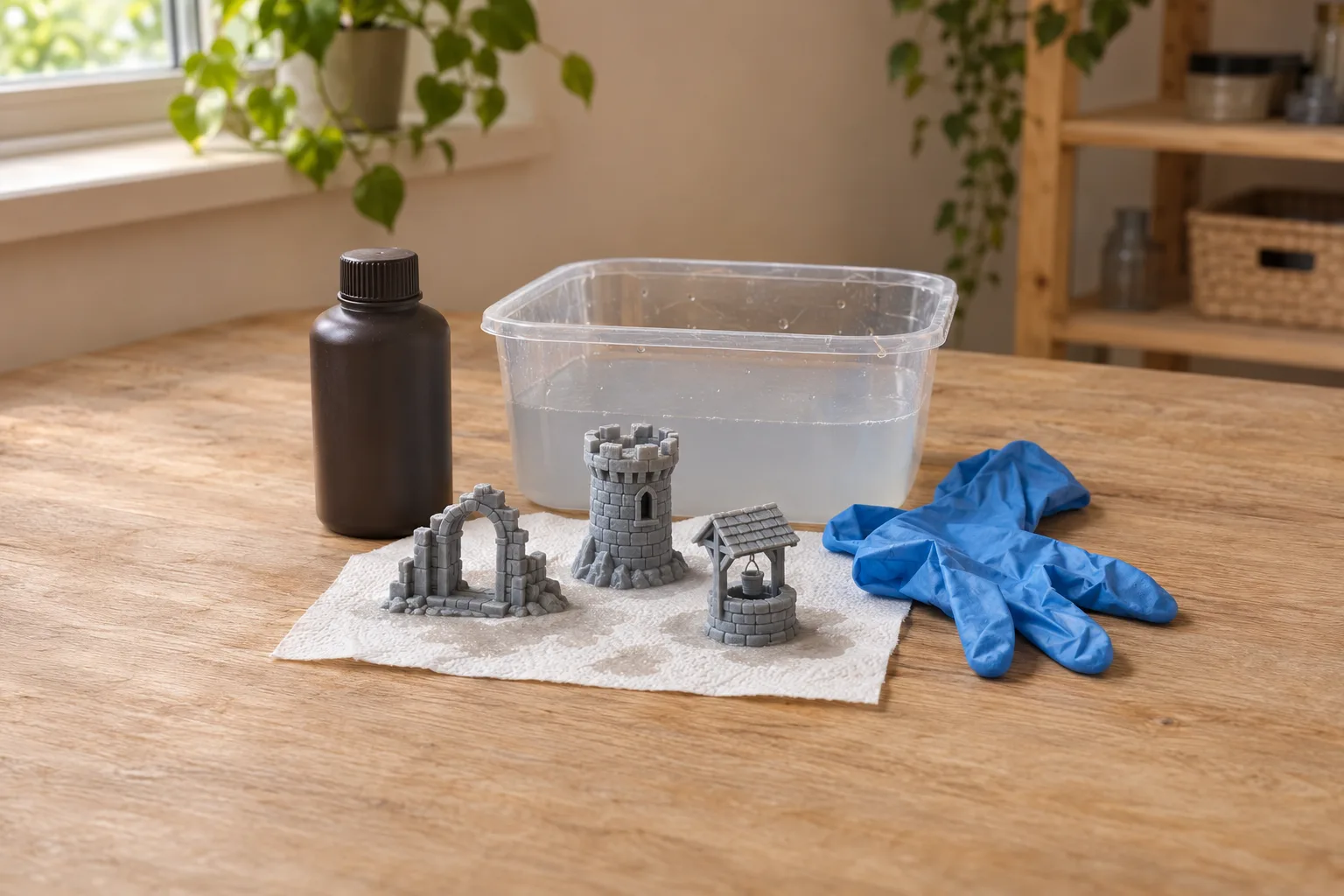
How to
Yes, if you want to skip flammable alcohol: it prints fine detail and rinses in water. But the wash water can't go down the drain, and by Phrozen's own figures its water-washable resin takes impacts far worse (1.30–3.04 J/m notched Izod) than its tough or 8K resins.
Read the guide →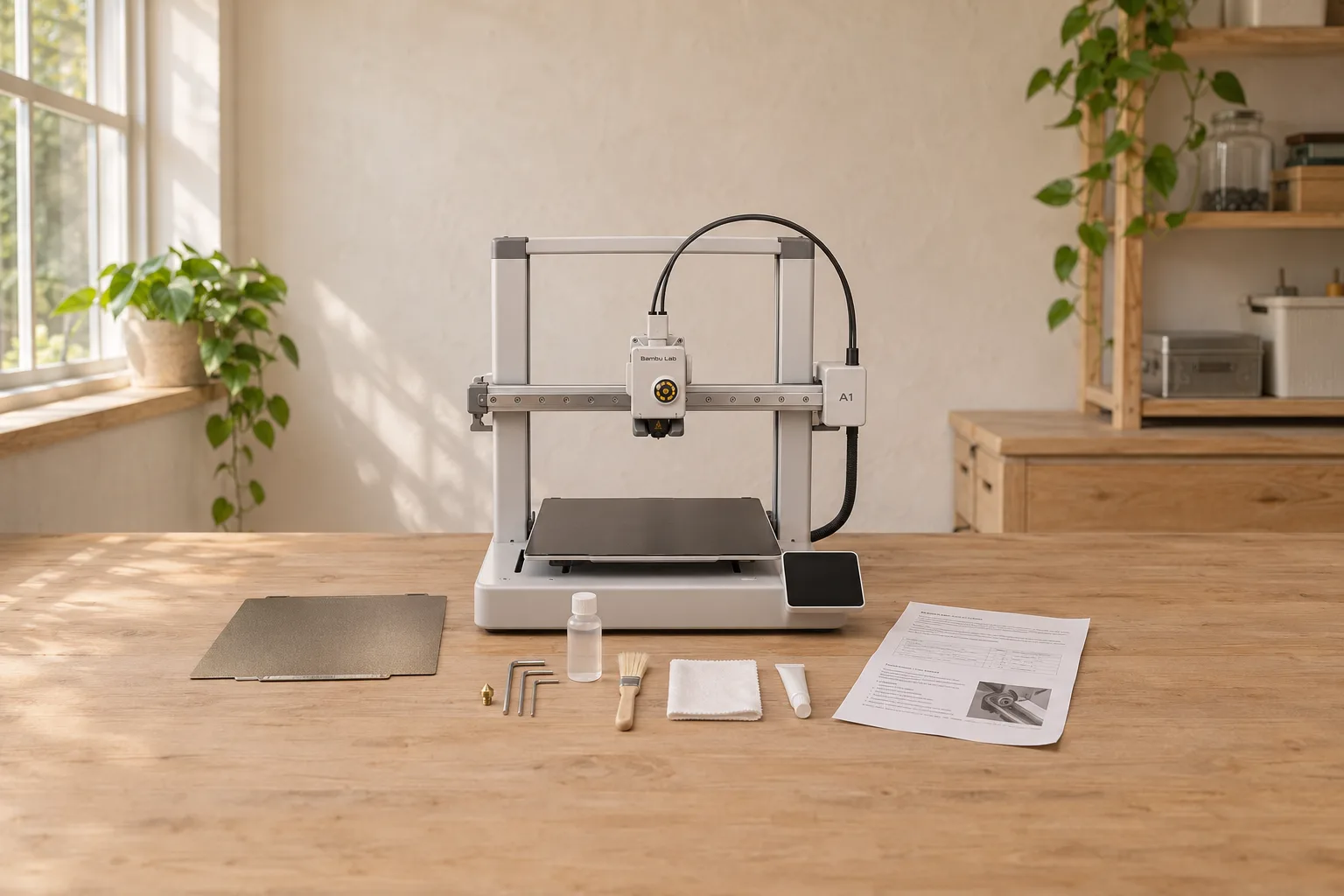
How to
No. A modern 3D printer needs a quick clean before prints, oil on its rails every one to three months, and a new nozzle, plate or PTFE tube every few hundred print hours. Replacement parts cost about $3–$37.
Read the guide →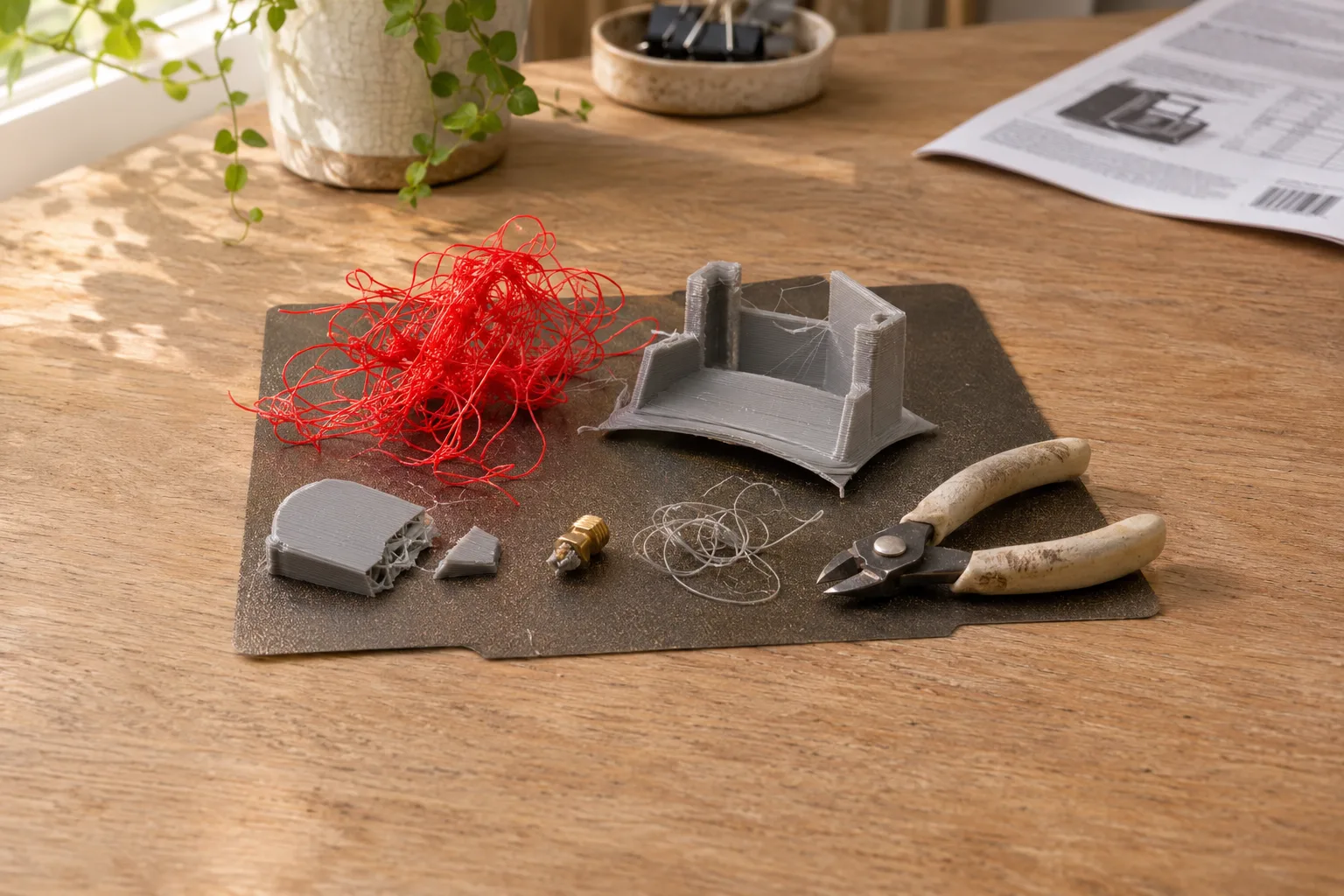
How to
Avoid old kit printers whose firmware may lack thermal runaway protection, printers without automatic bed leveling, and end-of-line models that aren't deeply discounted. Only one 3D printer has a US recall, the 2024 Bambu Lab A1, and it was fixed.
Read the guide →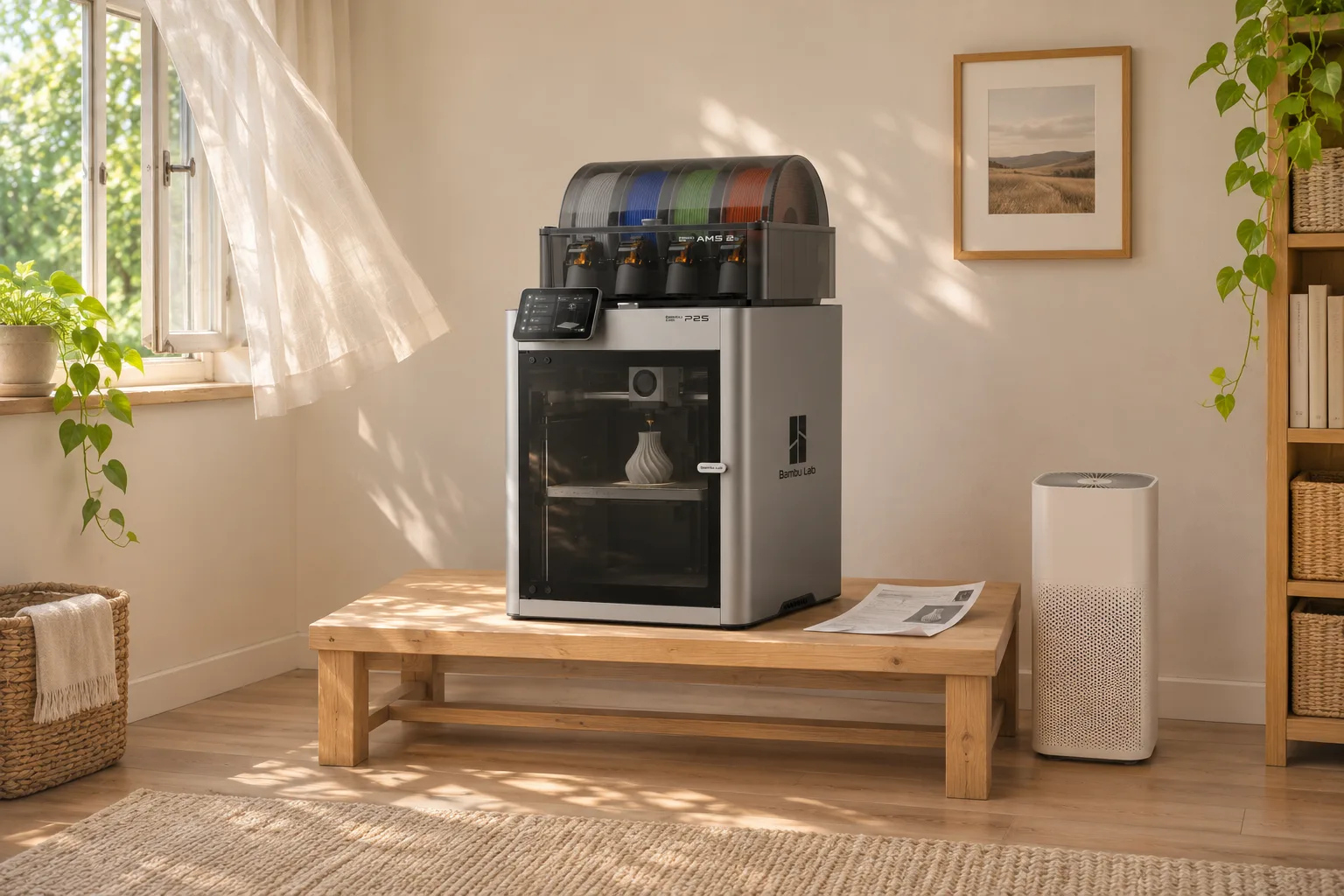
How to
Yes, with a few precautions. Printers release ultrafine particles and fumes, most with ABS and least with PLA, so print PLA in a ventilated room away from where you sit, and don't hover over the printer.
Read the guide →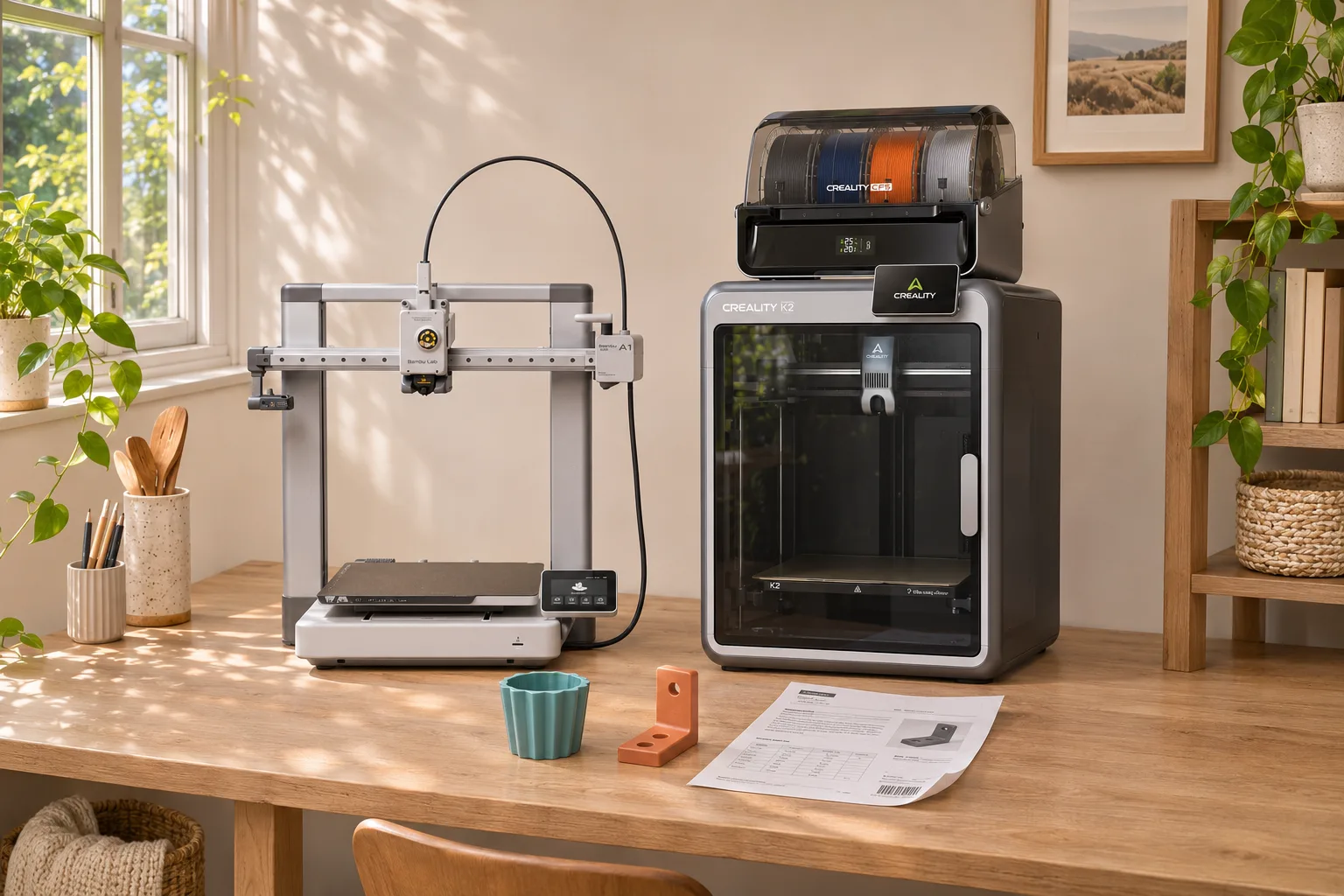
How to
Bambu Lab for ease and reliability; Creality for the lowest prices and the most tinker-friendly printers. A Bambu A1 mini ($199) is easier than Creality's Ender-3 V3 SE ($169) for $30 more.
Read the guide →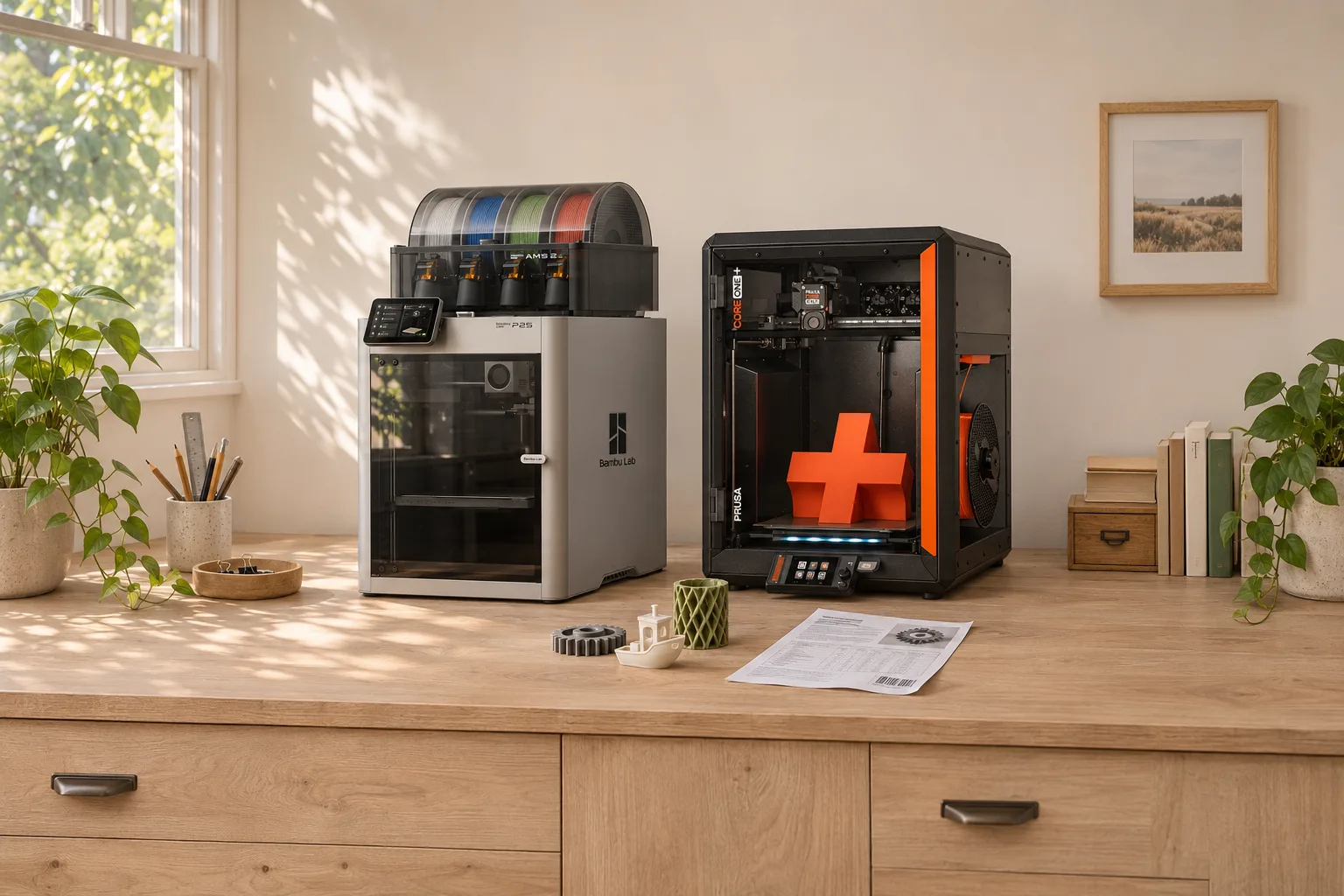
How to
Bambu Lab, for most people: its printers are easier, faster and far cheaper. Prusa is the better choice if you want open-source, repairable hardware that never touches the cloud, made in Europe and the US.
Read the guide →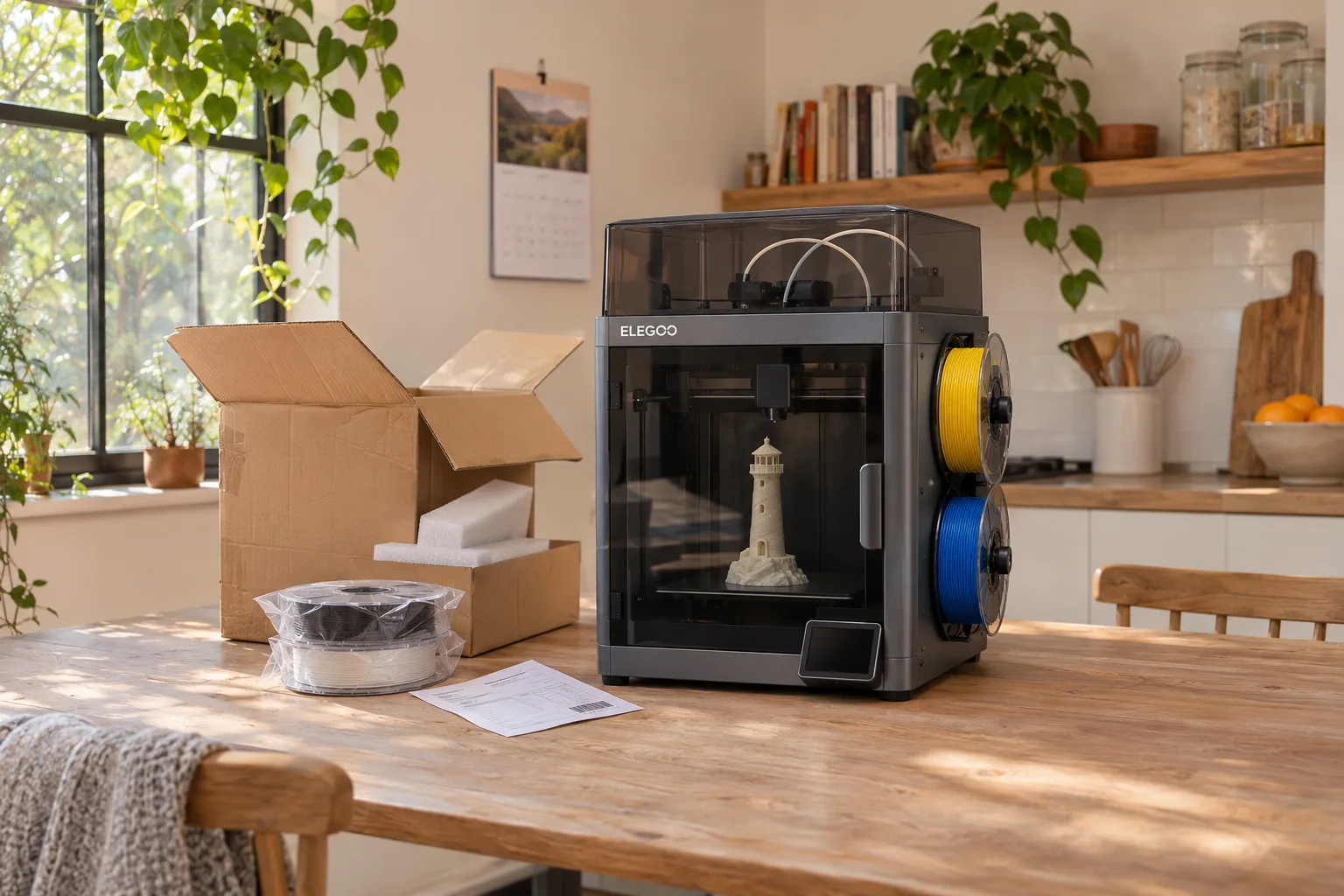
How to
Black Friday. Late October through Cyber Monday brings the lowest 3D printer prices of the year, with Bambu's A1 mini at $199 and the P2S Combo $100 off. Bambu's June–July anniversary sale and Prusa's summer and back-to-school sales come next.
Read the guide →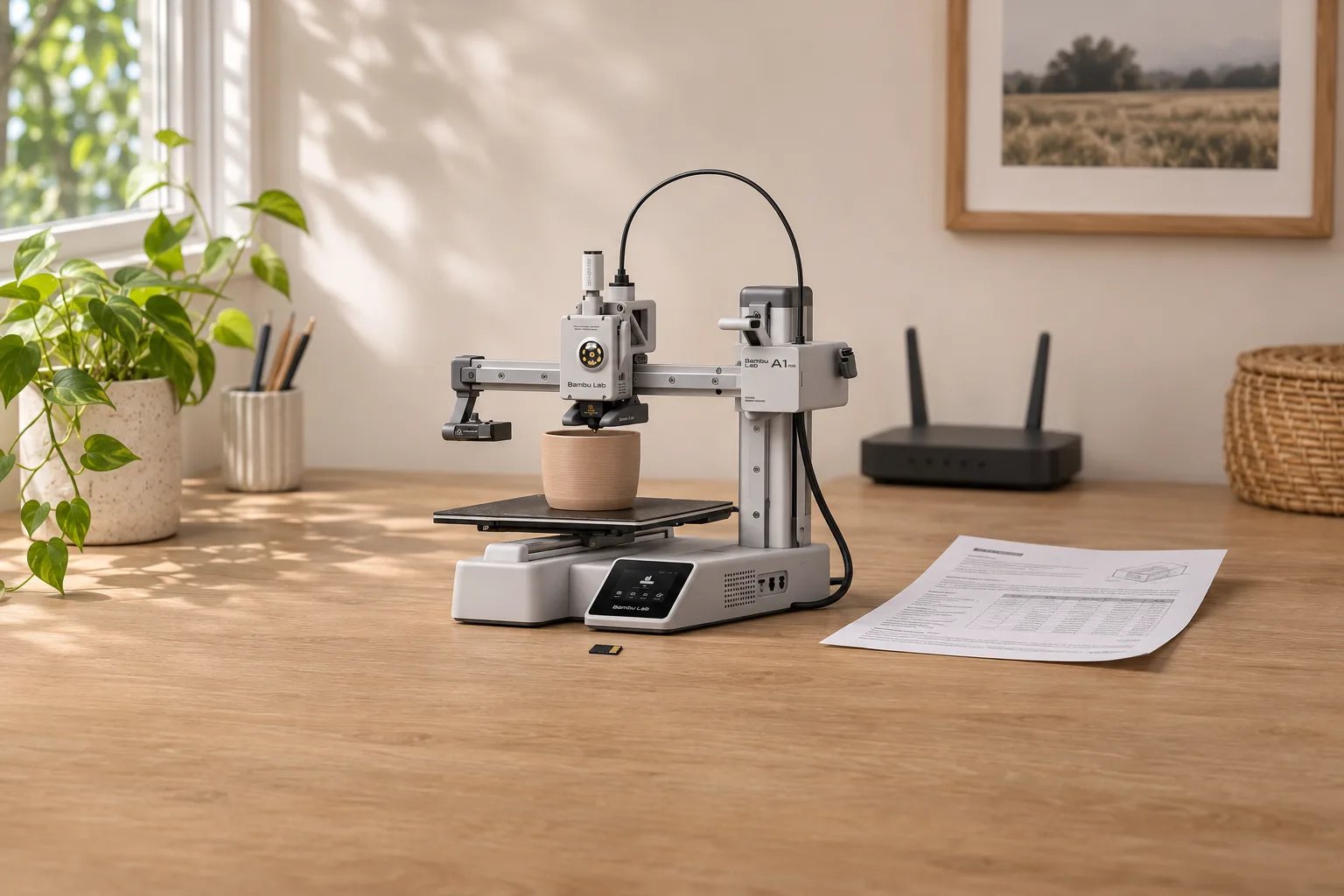
How to
Yes. Bambu printers print from a microSD card or over your home network in LAN mode with no internet and no account. What you lose offline is remote access and some app and MakerWorld features.
Read the guide →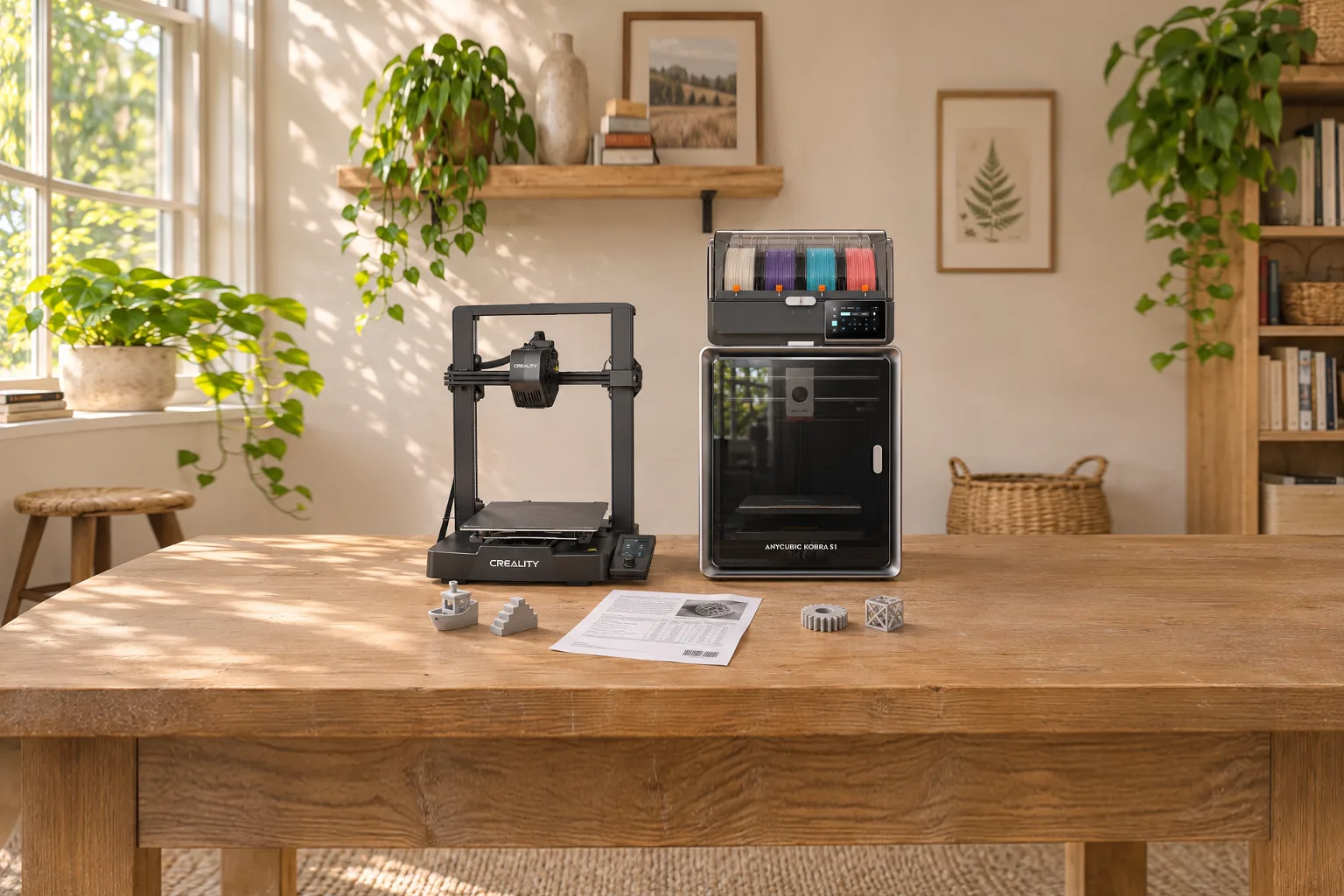
How to
For speed, tall prints and a small footprint, yes: CoreXY printers accelerate about twice as hard as the best bed slingers and take less desk space. But a bed slinger like the $259 Bambu A1 prints PLA just as well, and CoreXY no longer costs more.
Read the guide →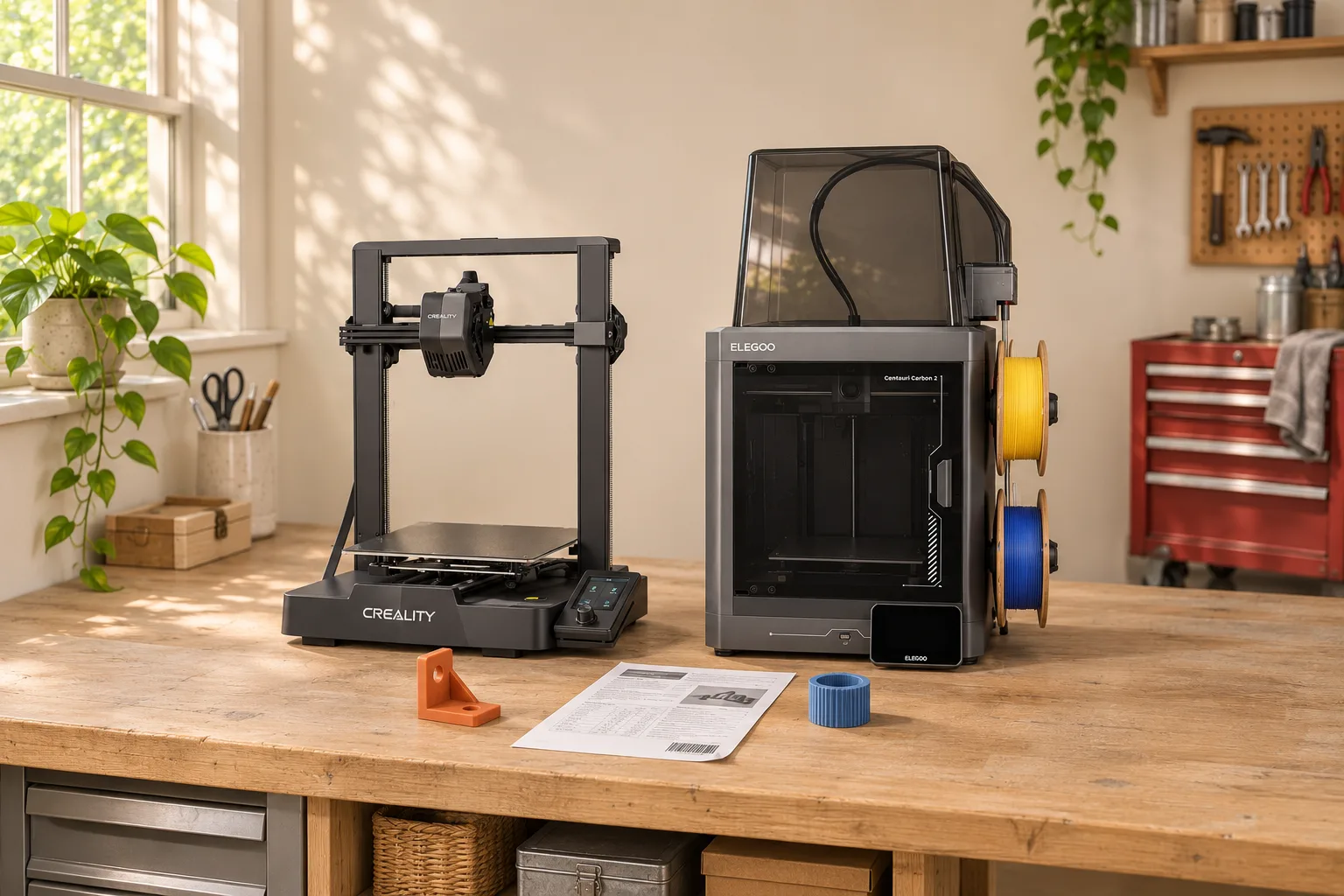
How to
Elegoo, for value: its Centauri Carbon 2 Combo is the cheapest good enclosed four-color printer at $369, and it publishes its firmware source. Creality has the cheapest entry printer and the bigger lineup.
Read the guide →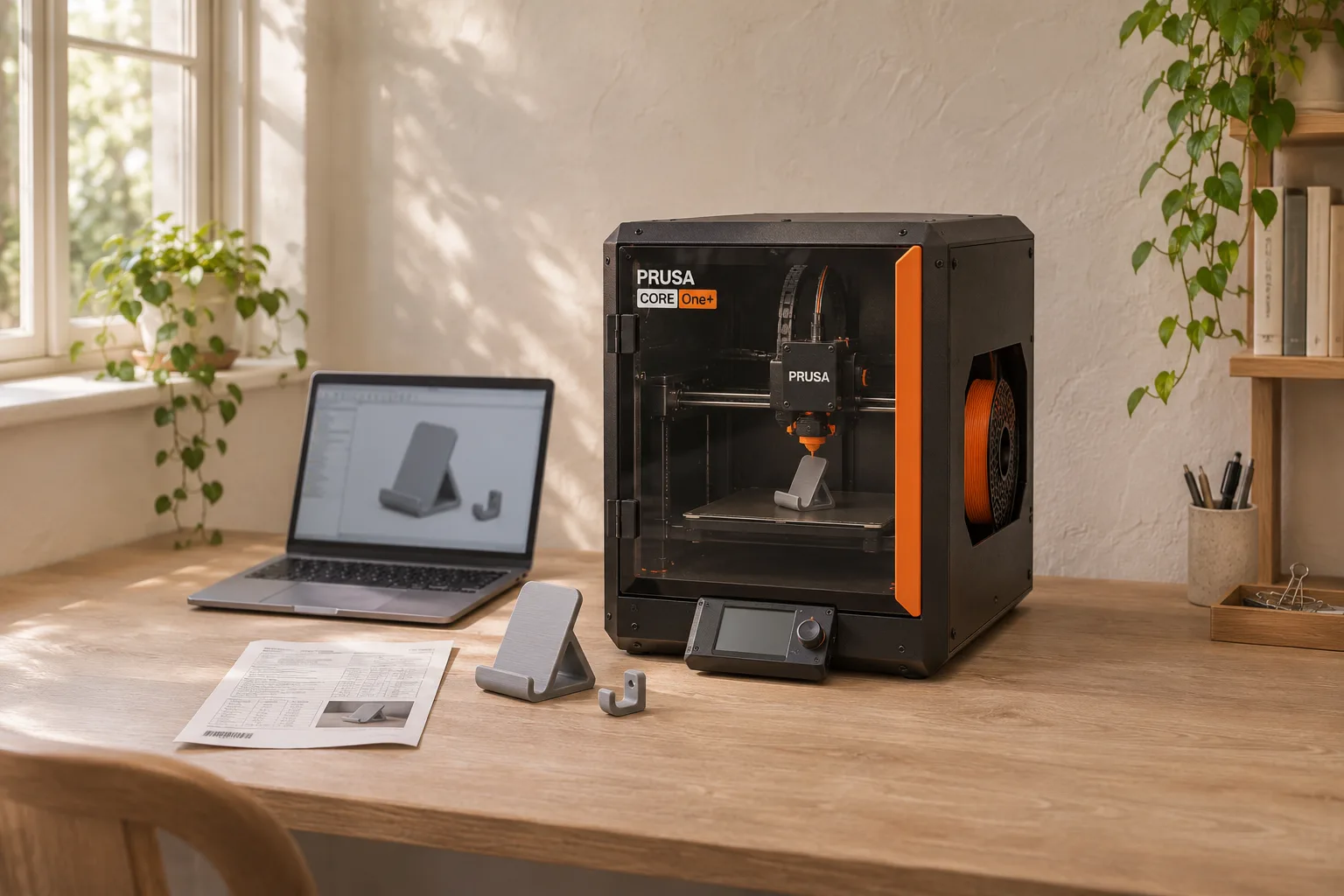
How to
No. Most people print ready-made models from free libraries, and Thingiverse alone lists more than 2.5 million designs. You need a free slicer, not CAD. Learn CAD later if you want parts that fit exactly or designs of your own; Tinkercad is the free place to start.
Read the guide →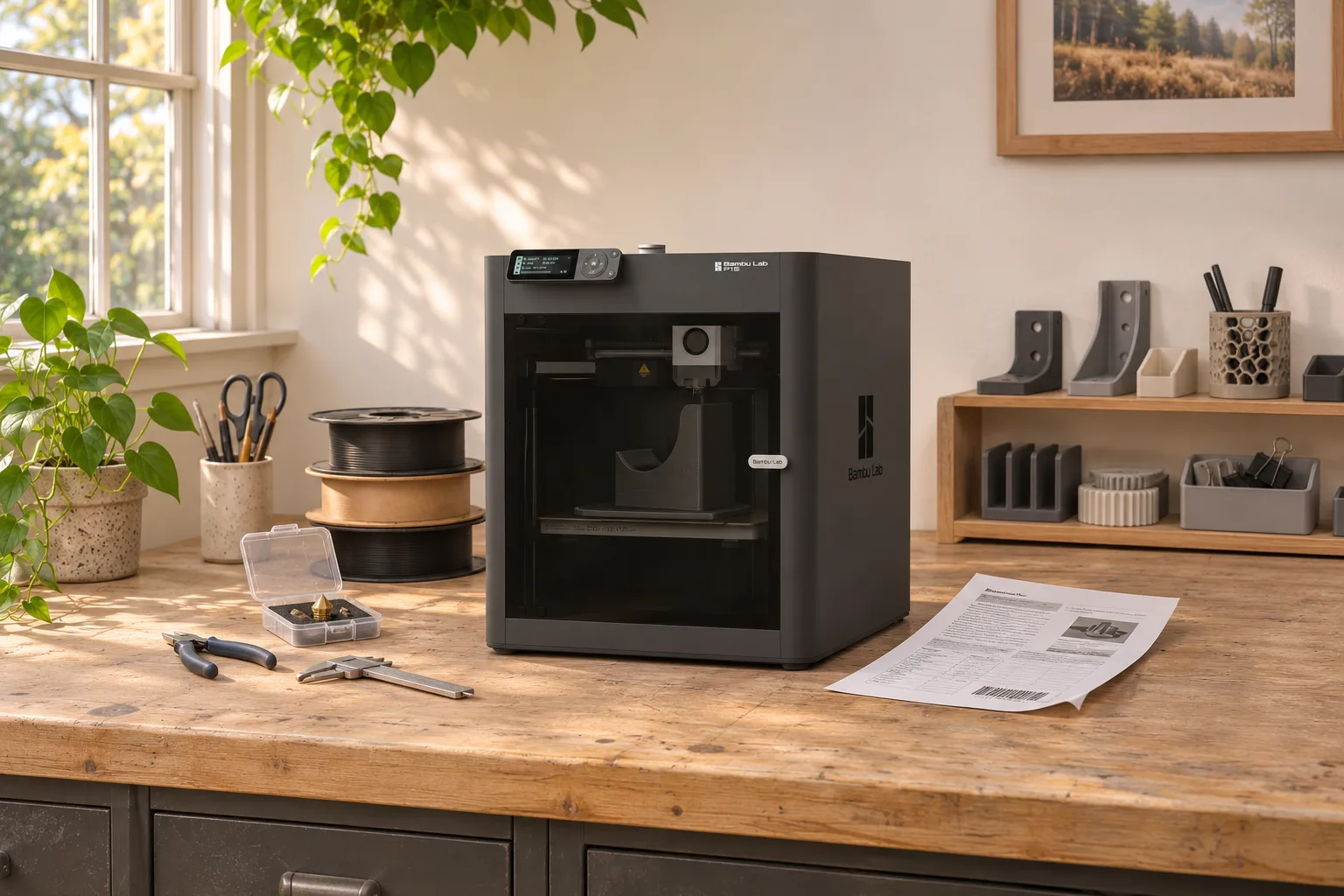
How to
Years: a well-kept printer from a major brand should run at least five years, as long as parts stay on sale. Nozzles, plates, PTFE tubes and belts wear out every few hundred hours and cost $3–$37 to replace.
Read the guide →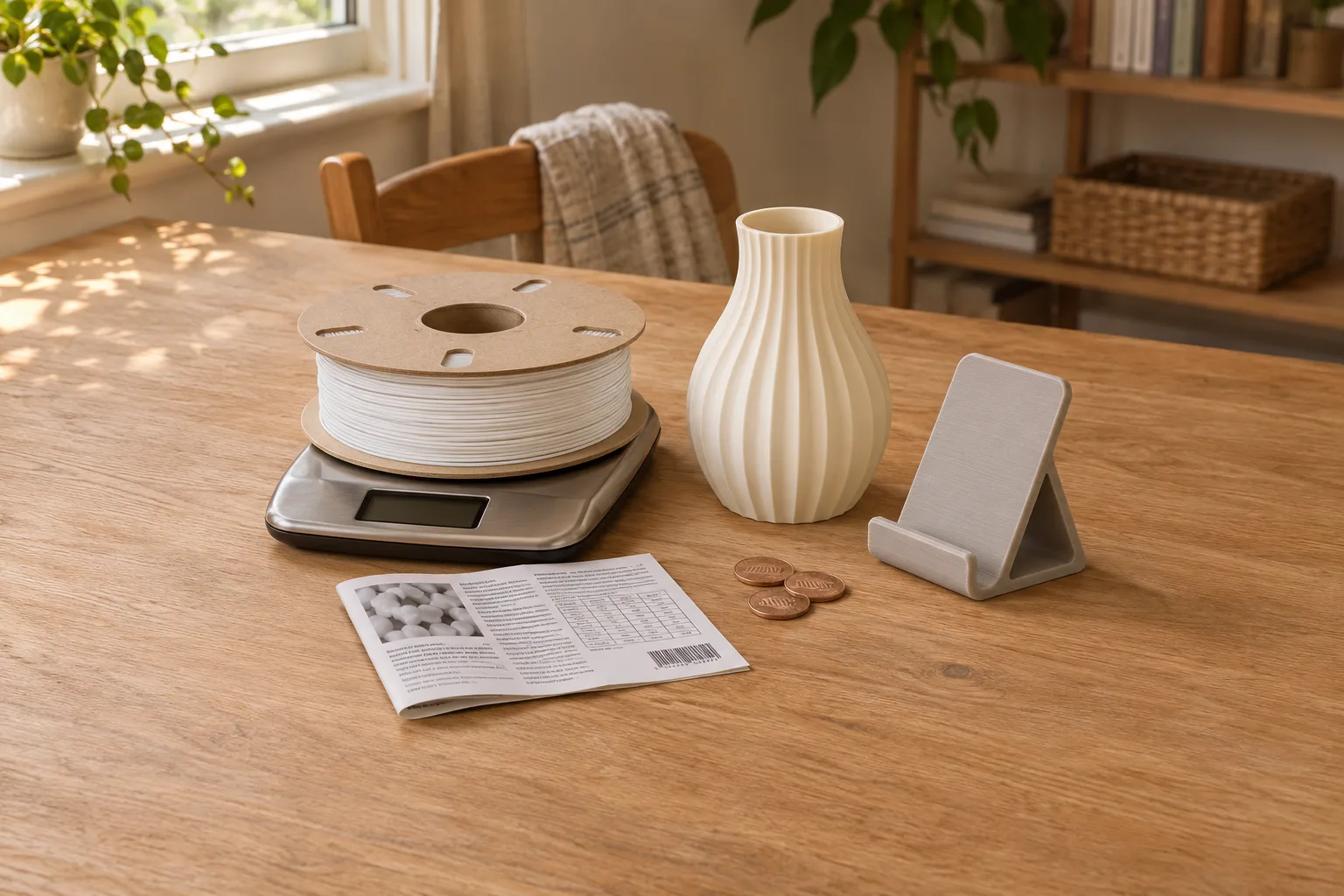
How to
Usually under $1 for a small part and a few dollars for a big one. Filament is almost all of the cost; electricity adds pennies. Here's the math, with November 2026 filament prices.
Read the guide →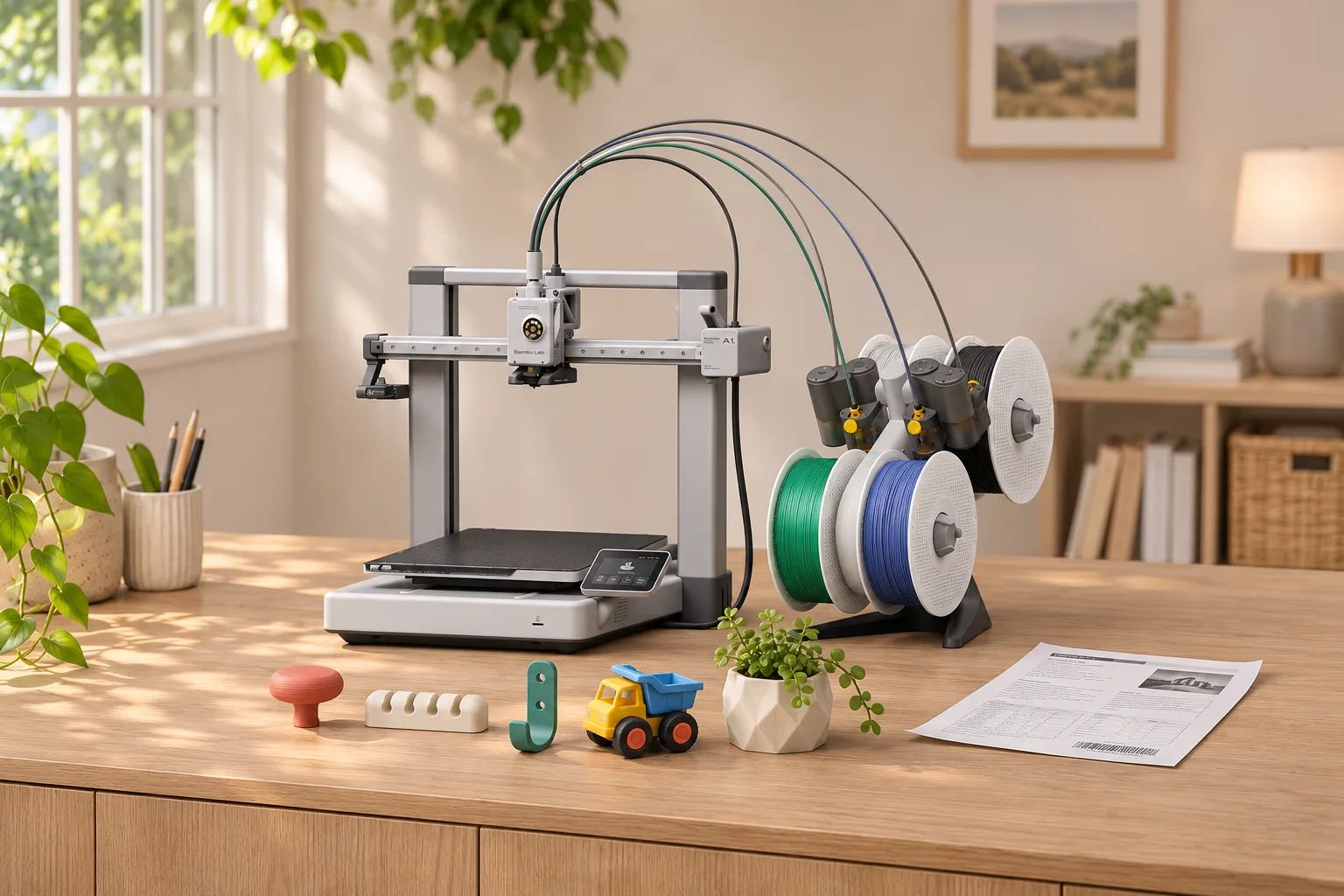
How to
For most people who like to make or fix things, yes: a $200 to $360 printer prints replacement parts, organizers, toys and gifts for cents to a few dollars each. It's not worth it if you'd only print a few things a year.
Read the guide →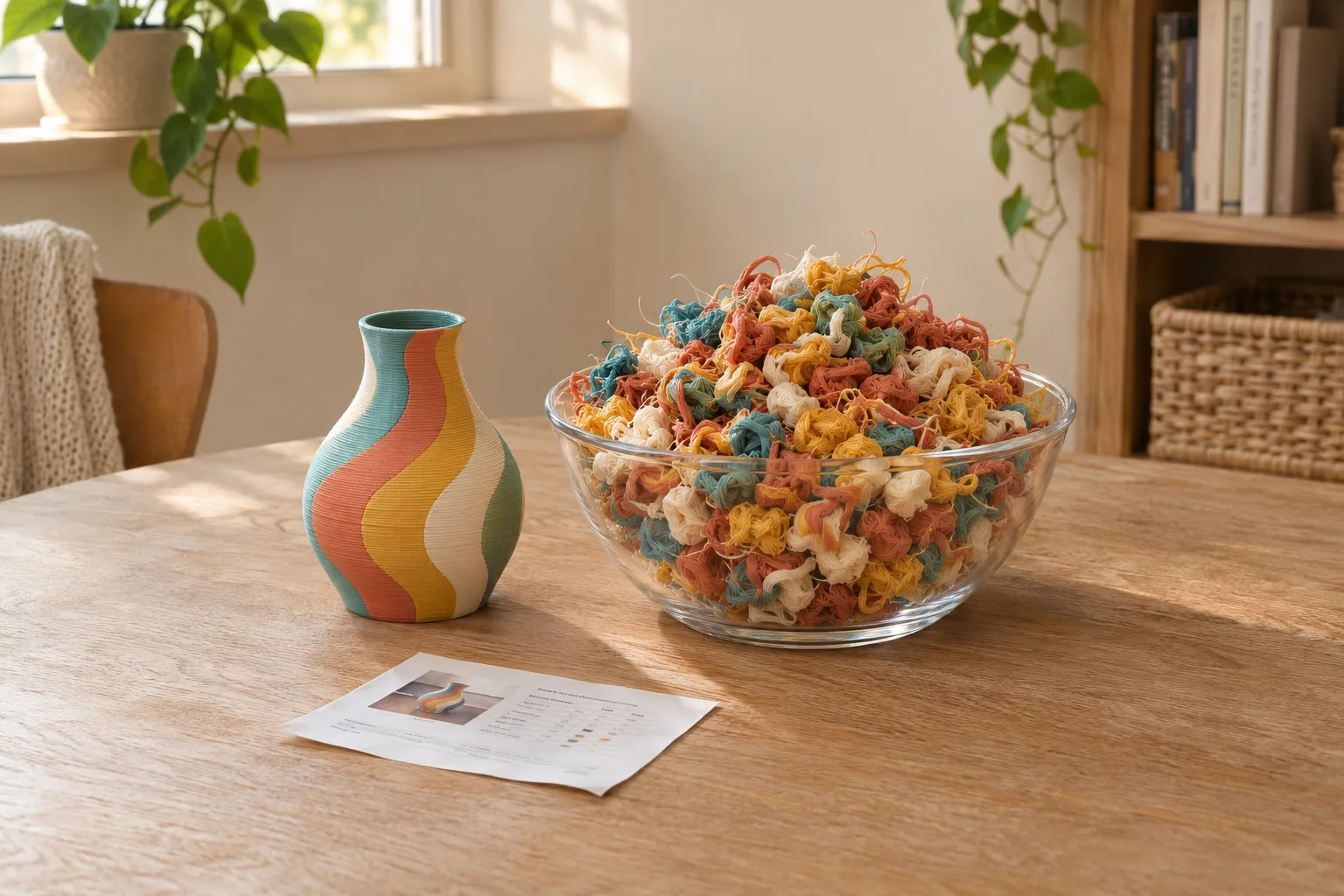
How to
Yes, if you'll print in color often, but know the cost: single-nozzle systems like Bambu's AMS purge filament at every color change, which can exceed the model itself. Tool changers fix that for more money.
Read the guide →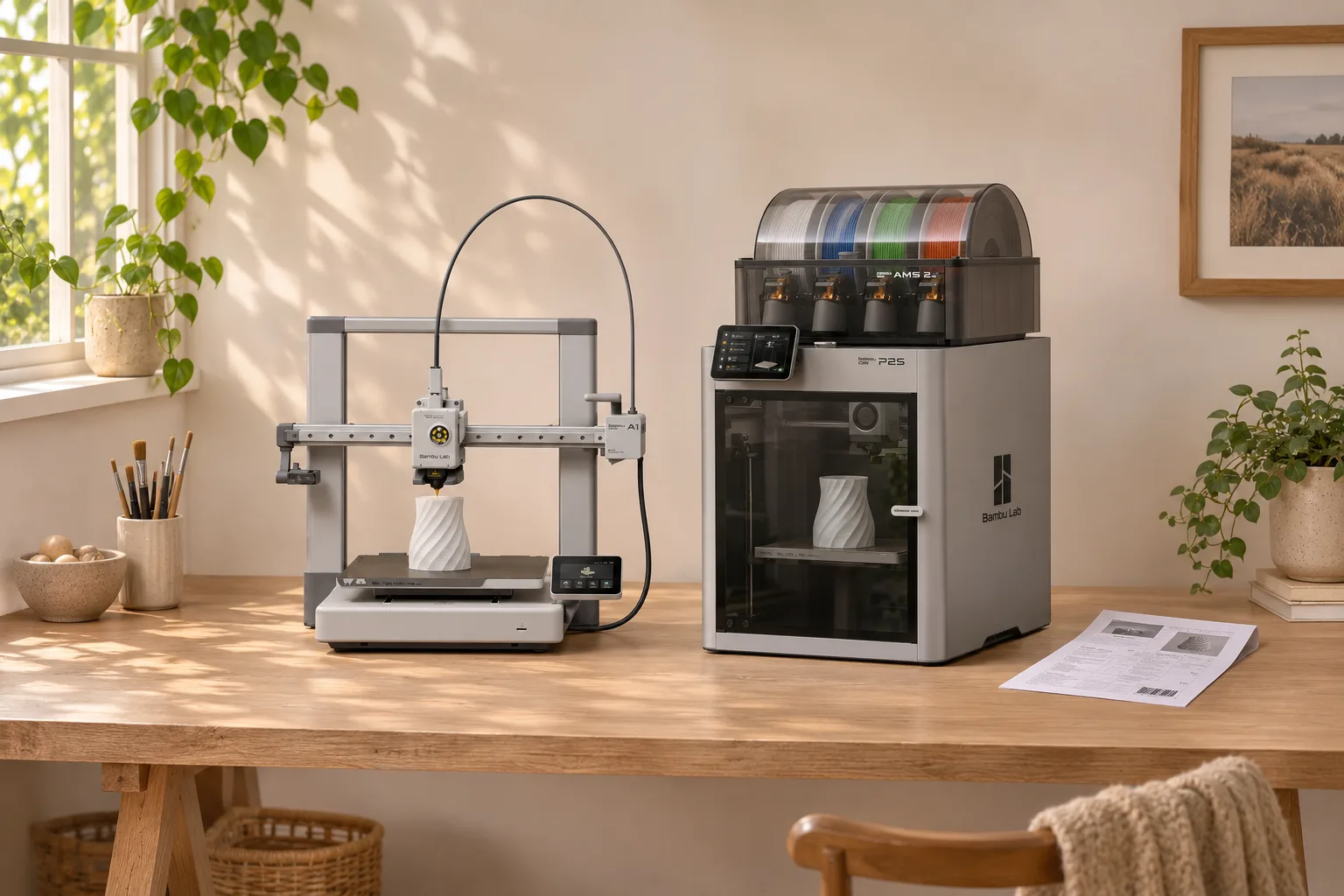
How to
Enclosed is better if you'll print ABS, ASA or nylon, or the printer sits where people live; open-frame is better and $75–$130 cheaper if you'll print PLA and PETG. The Bambu A1 ($259) and P1S ($349) are the classic pair.
Read the guide →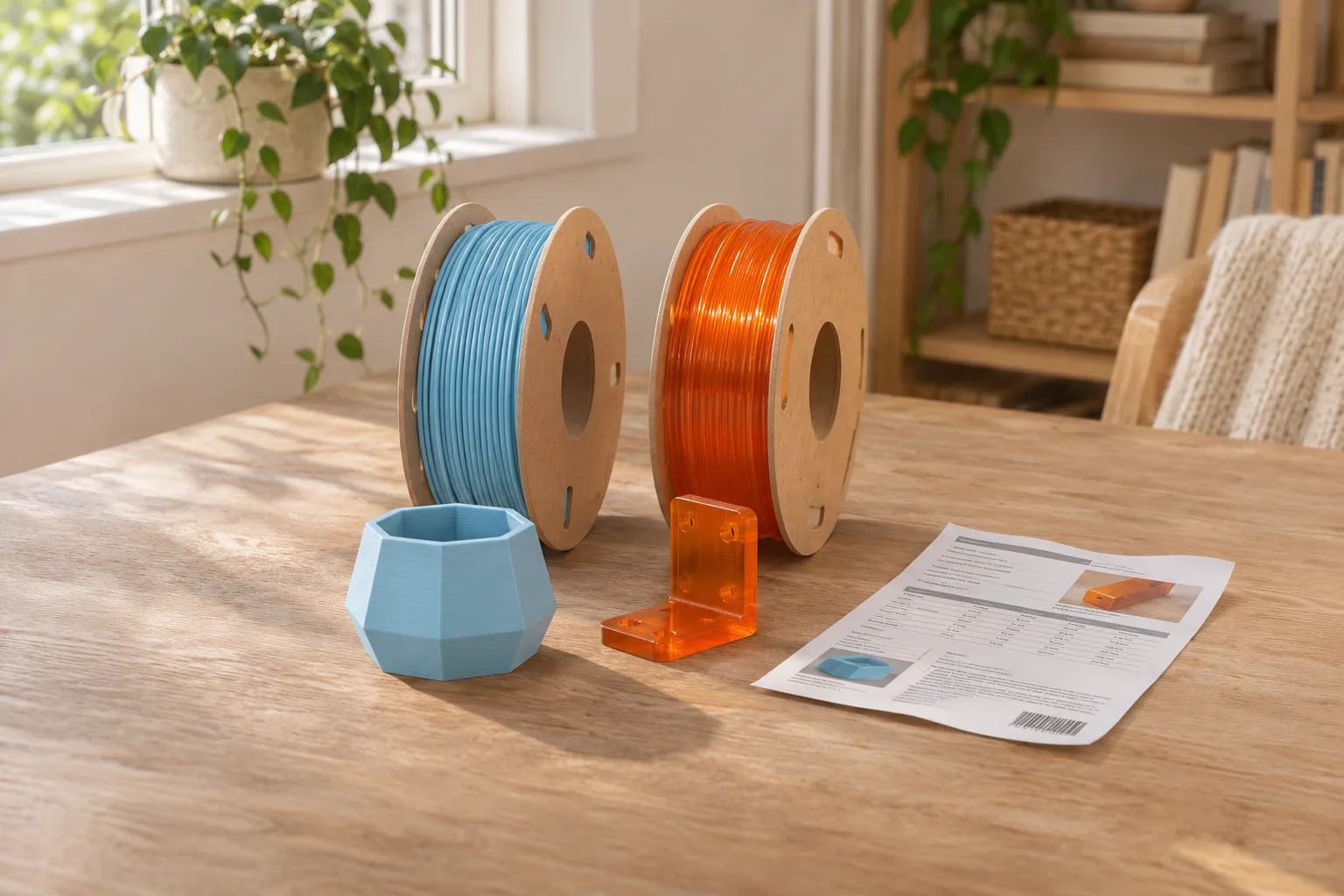
How to
Start with PLA: it's the easiest, cheapest and lowest-odor filament. Switch to PETG for parts that need to be tougher, more flexible or handle heat, like anything that lives in a car or outdoors.
Read the guide →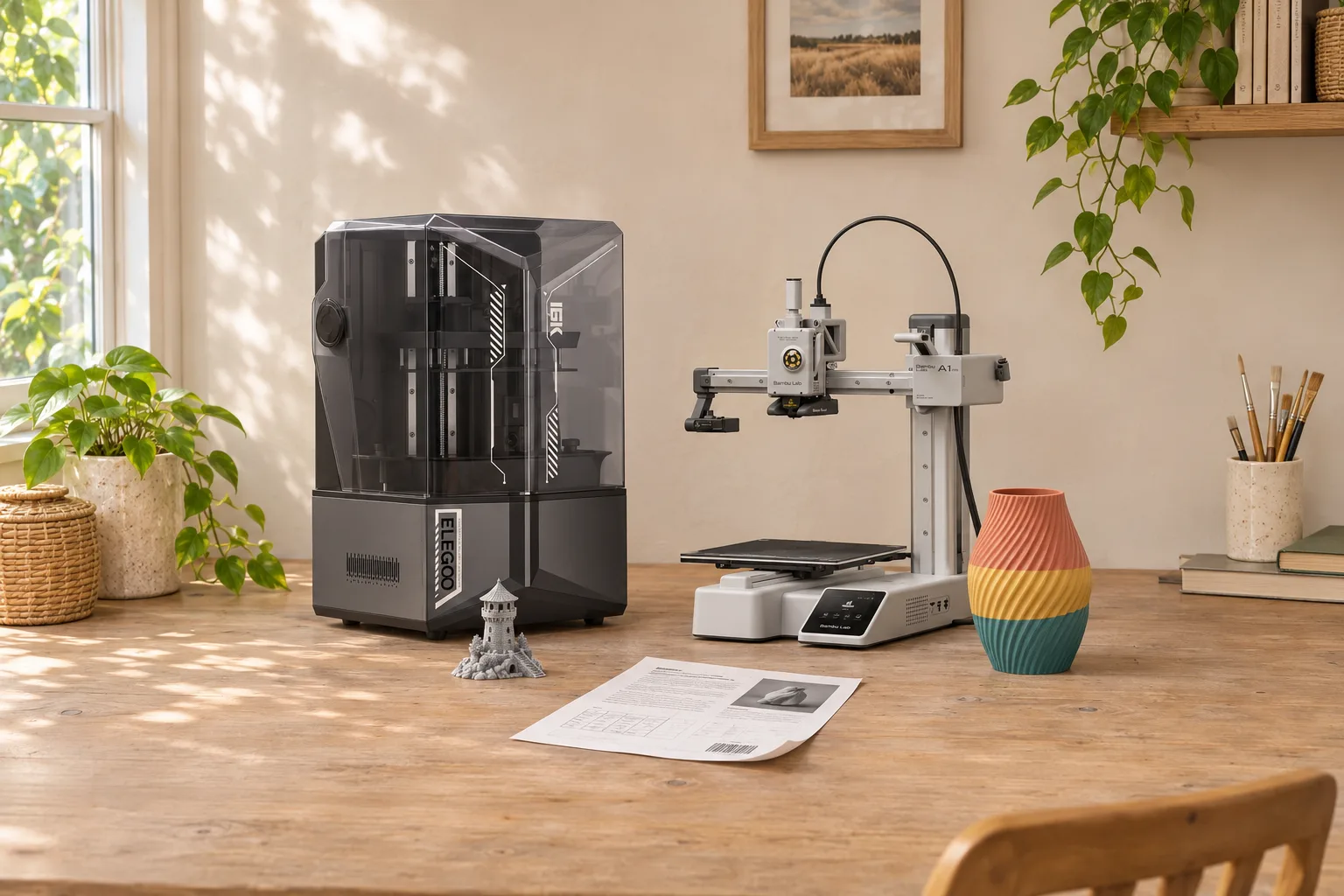
How to
Filament (FDM) printers melt plastic and suit most home projects. Resin printers cure liquid resin with light for far finer detail, at the cost of mess, fumes and post-processing. Most people should start with filament.
Read the guide →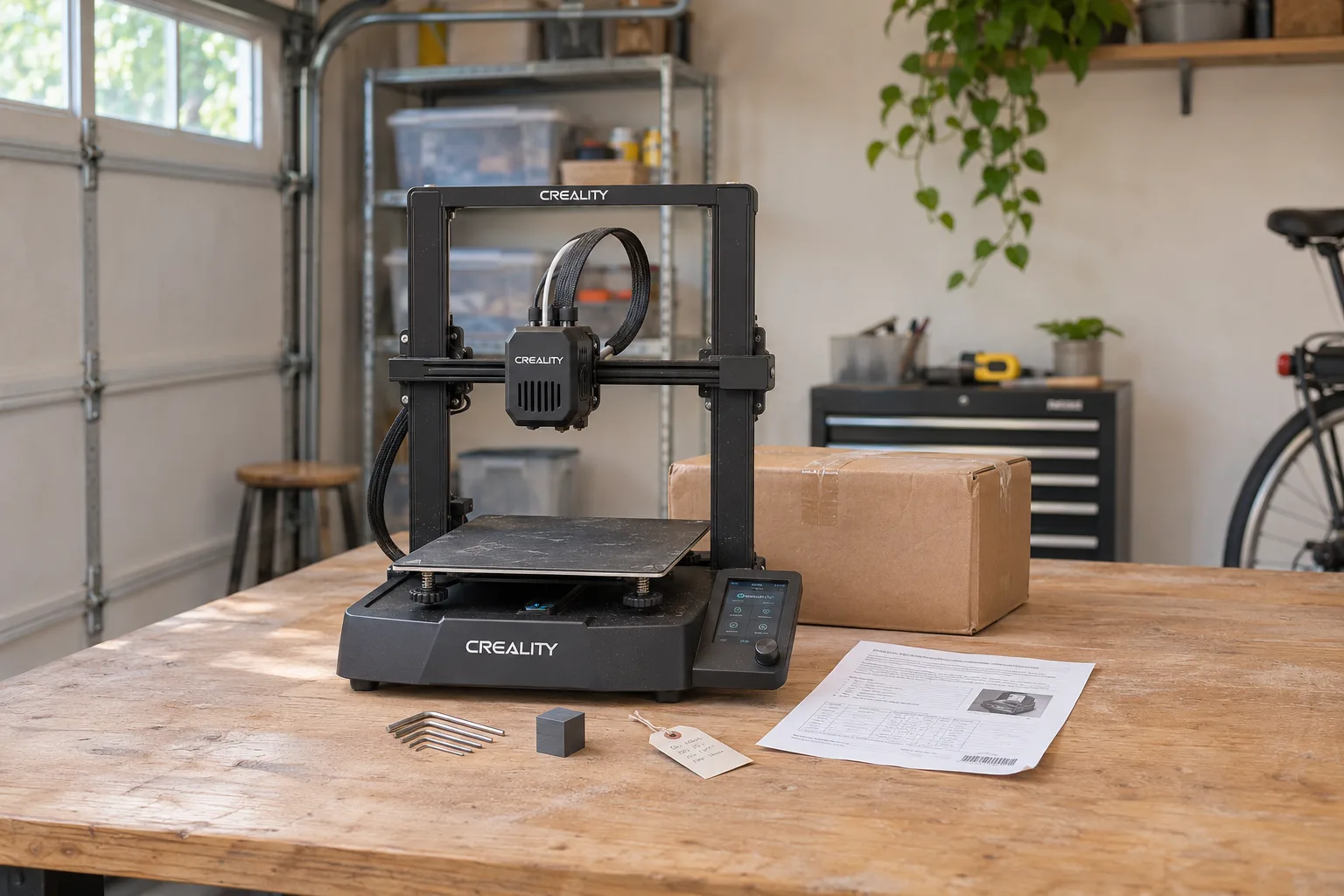
How to
Refurbished with a warranty, yes, but in November 2026 it barely saves money: a refurbished Bambu A1 mini is $192.99 against $199 new. Buy used from a private seller only at about half the new price, and only a current, supported model.
Read the guide →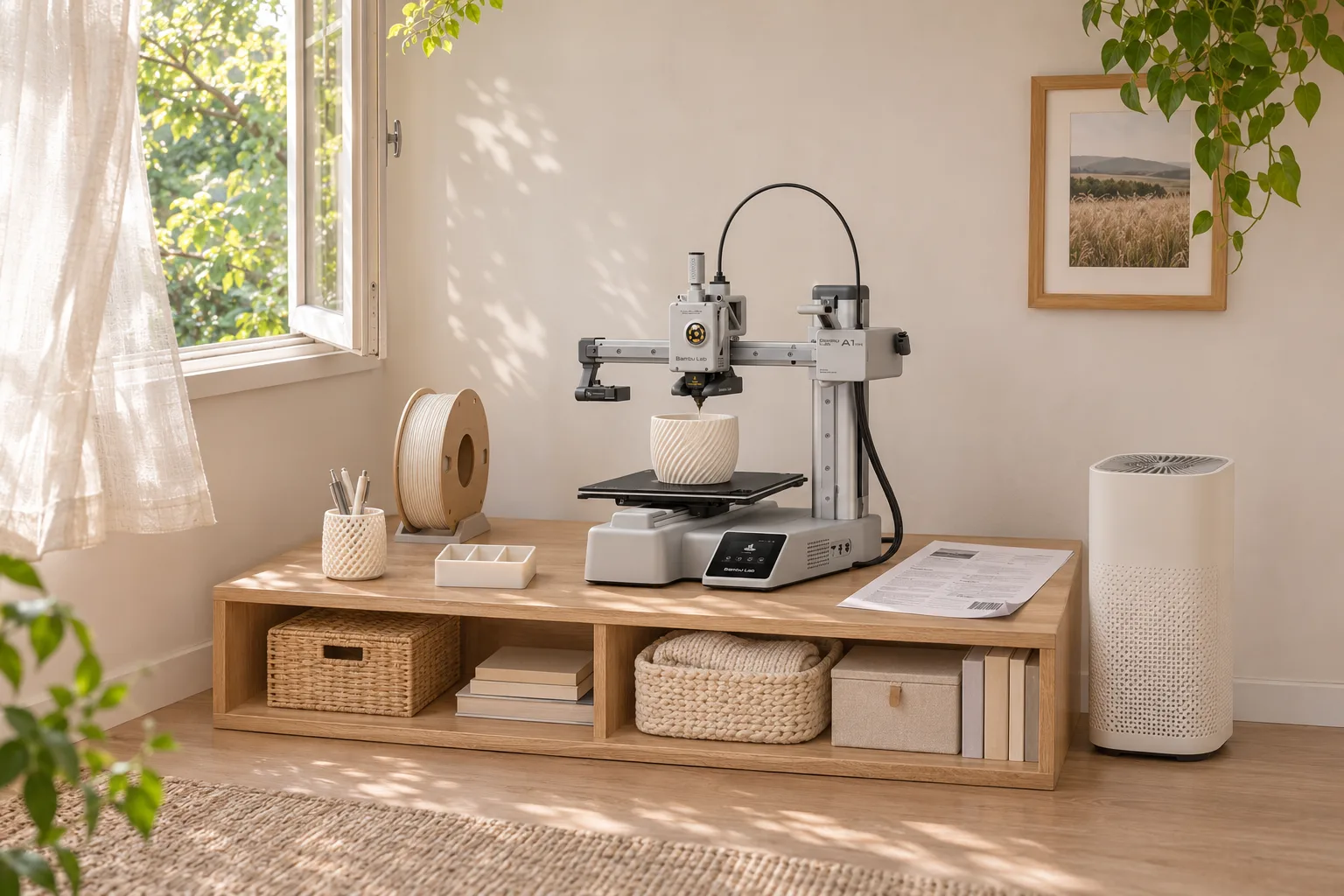
How to
In a ventilated room you don't sleep in, such as a spare room, home office, basement or insulated garage, that stays between 50 and 86 °F. Put it on a sturdy table, away from HVAC return vents, curtains and where you sit.
Read the guide →